Ford F-150 13th generation (2015-2020): overview – specs, advantages and common problems
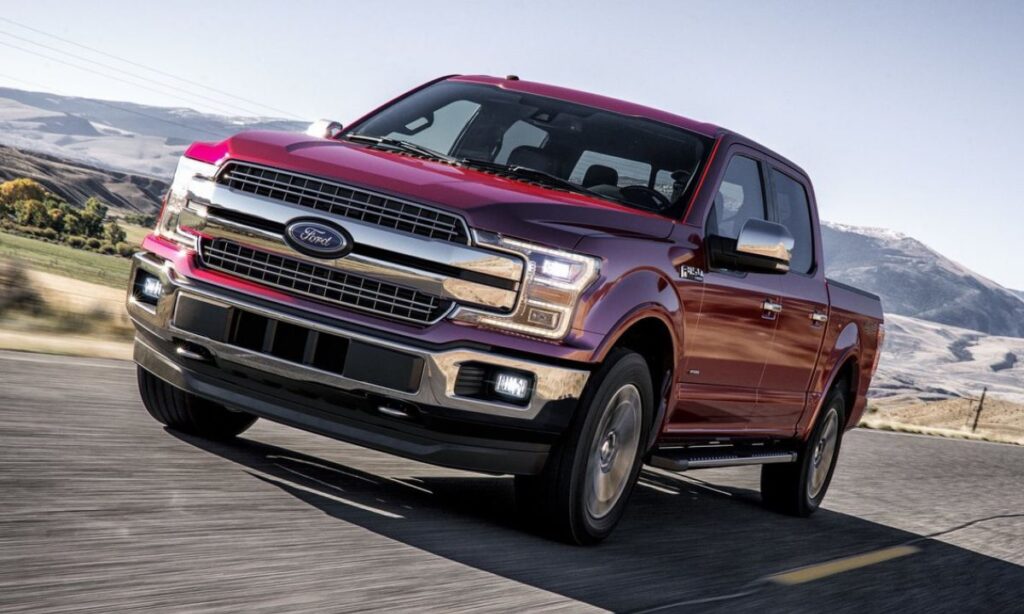
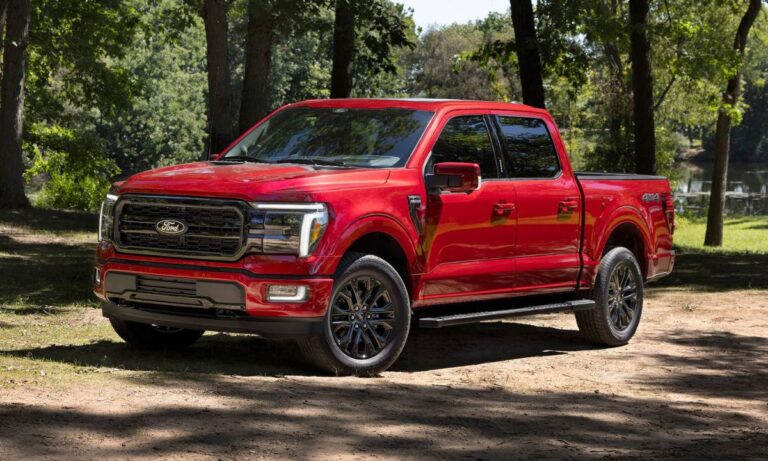
The 13th-generation Ford F-150, produced from 2015 to 2020, became one of the most important full-size pickups of the decade. Ford made a bold decision to switch to aluminum body construction on a steel frame, reducing weight by up to 700 pounds while keeping the truck strong and capable. This generation still feels modern and relevant today and remains a popular choice on the used market thanks to its balance of efficiency, comfort and work-ready ability.
This overview covers the key facts buyers and owners need: the history of the model, technical specifications, real advantages, and the most common issues that appear over time.
How the 13th generation came about
Ford launched the all-new 13th-generation F-150 in 2015 after several years of development. The main innovation was the extensive use of military-grade aluminum for the cab, doors, bed and most exterior panels. A mid-cycle refresh arrived for 2018 with updated styling, revised engines, the new 10-speed automatic transmission on more versions, and improved interior technology. Production continued through 2020 before the 14th generation took over.
Body, chassis and configurations
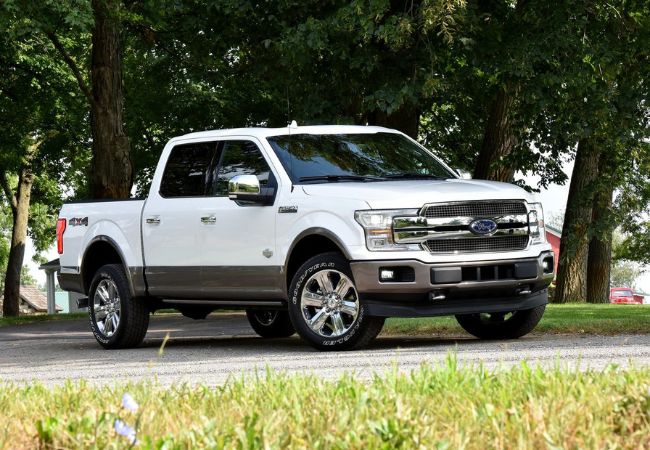
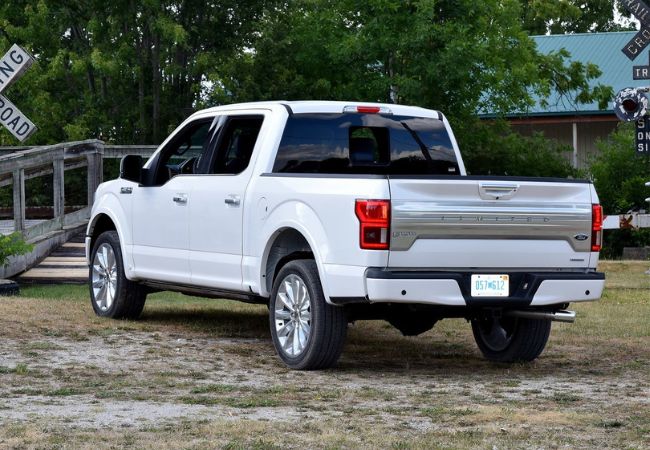
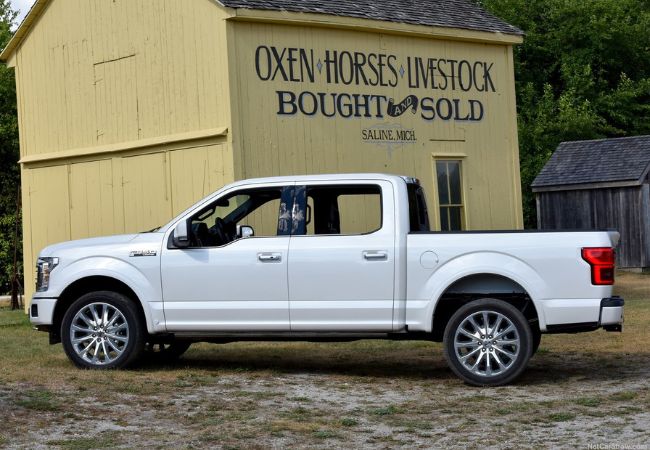
The aluminum body delivered measurable benefits: lower weight improved acceleration, braking and fuel economy, while also providing excellent rust resistance in regions that use road salt. The fully boxed high-strength steel frame preserved traditional truck durability and towing strength. Available body styles include Regular Cab, SuperCab and SuperCrew, with bed lengths from 5.5 to 8 feet. Ground clearance and off-road angles are competitive, especially on 4×4 and off-road packages.
Engine lineup
Ford offered a wide range of powertrains during this generation:
- 2.7L EcoBoost twin-turbo V6 – 325 hp, 375 lb-ft (the most popular choice for balanced performance and efficiency)
- 3.5L EcoBoost twin-turbo V6 – 365 hp, 420 lb-ft (ideal for heavy towing)
- 5.0L Coyote V8 – 385–395 hp, around 400 lb-ft (classic V8 character)
- 3.3L naturally aspirated V6 (2018–2020) – 290 hp, 265 lb-ft (base engine after 2018)
- 3.0L Power Stroke turbodiesel V6 (2018–2020) – 250 hp, 440 lb-ft (best for maximum torque and highway economy)
From 2018 the smoother and more efficient 10-speed automatic became standard on most models, replacing the earlier 6-speed on higher trims.
Towing, payload and capability
Maximum towing capacity reached 13,200 pounds and payload exceeded 3,300 pounds on properly equipped trucks. Useful towing features included Pro Trailer Backup Assist, integrated trailer brake controller, and blind-spot monitoring that works with a trailer. The aluminum bed is lighter and more dent-resistant than steel, making it easier to load and unload.
Interior and technology
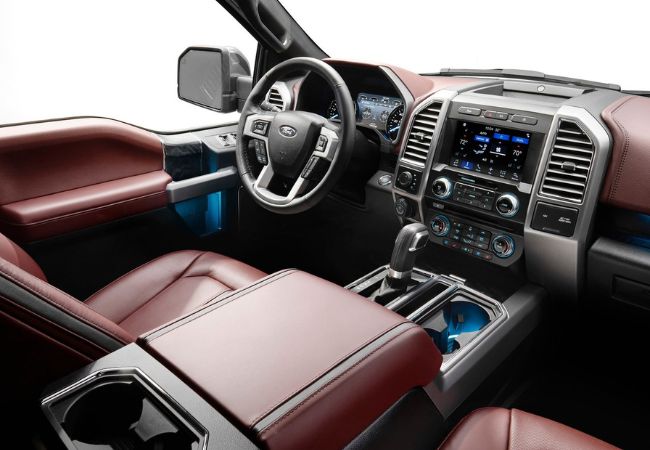
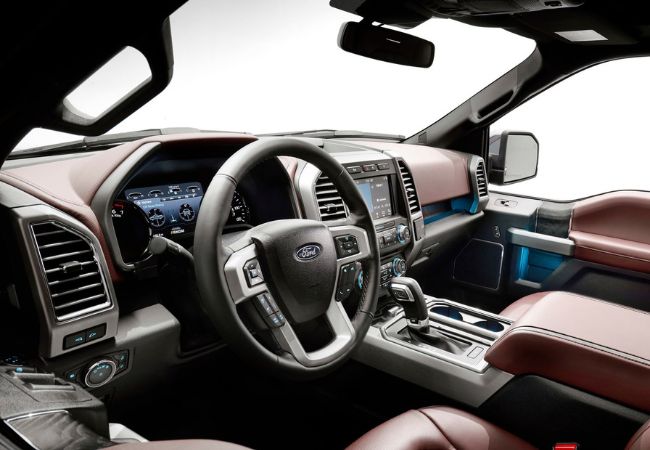
The cabin offers generous space, especially in SuperCrew models, with good rear legroom and supportive seats. Higher trims feature leather, heated and ventilated front seats, and a quiet ride. SYNC 3 infotainment system is intuitive, with Apple CarPlay and Android Auto available on later models. Additional modern features include adaptive cruise control, lane-keeping assist, 360-degree camera and a multi-position tailgate that works as a workbench or step.
Real advantages
- Noticeably better fuel economy and driving dynamics thanks to the lighter aluminum body
- Strong, refined engines that deliver effortless power for both daily driving and heavy work
- Excellent rust resistance on the body panels
- Quiet and comfortable cabin suitable for family use or long commutes
- High resale value compared to competitors of the same years
- Proven towing and payload capability without feeling bulky
Common problems and weak points
While generally reliable, the 13th-generation F-150 has several known issues:
- Internal water pump failure on all EcoBoost engines (typically 90,000–140,000 miles) – requires major labor as the pump is inside the timing cover
- Harsh shifts or shudder in early 10-speed transmissions (2018–early 2019) – usually resolved with software updates
- Broken exhaust manifold bolts on EcoBoost and some V8 engines, leading to leaks
- Moderate oil consumption on certain 5.0L Coyote V8 engines after 100,000 miles
- Vacuum leaks in the Integrated Wheel End system on 4×4 models (causes grinding noise when engaging 4WD)
- More frequent recalls and minor electrical issues on 2015–2016 first-year trucks
With regular maintenance, most examples easily reach 200,000 miles or more with the original powertrain. The aluminum body keeps rust problems to a minimum.
Summary and buying tips
The 13th-generation F-150 successfully combined modern efficiency with traditional truck strength. The 2018–2020 refreshed models are usually the best choice due to improved transmission availability, better interior materials and fewer early issues. When shopping, focus on the 2.7L or 3.5L EcoBoost for the best overall balance. Always perform a pre-purchase inspection that checks water pump history on turbo models, transmission operation, oil consumption and any open recalls.
This generation remains one of the smartest used full-size pickups available — capable, comfortable and still relevant more than a decade after its debut.