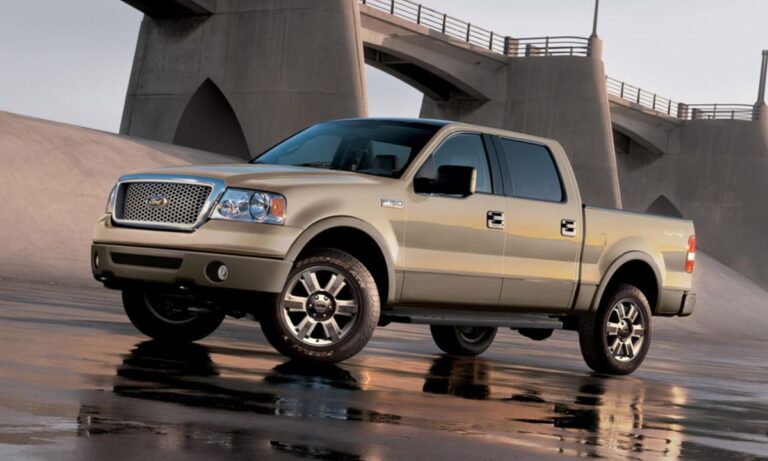
Ford F-150 10th generation review: specs, pros, cons, and key insights
The 10th generation Ford F-150, spanning from the late 1990s to early 2000s, marked a pivotal evolution for America’s bestselling truck. This era introduced a ground-up redesign after nearly two decades, blending improved aerodynamics with enhanced comfort and capability. Often praised for its durability and affordability today, it appeals to budget-conscious buyers seeking a classic workhorse. Yet, like any aging platform, it has its quirks. In this review, we’ll dive into its specifications, performance, strengths, weaknesses, and lesser-known details to help you decide if this vintage F-150 fits your needs. Drawing from historical data and owner experiences, it’s a truck that refuses to fade away, powering through high mileage with grit.
Overview and history
Launched in 1997, the 10th gen F-150 was Ford’s bold response to stagnant sales and rising competition from Chevrolet and Dodge. It debuted as the first major overhaul since 1979, featuring a new chassis, body, and powertrains. Production kicked off in late 1995, with sales starting in early 1996, and it ran until 2004, though the 2004 model year saw a transitional phase before the 11th gen fully took over. Assembled across multiple plants in the US, Canada, Mexico, and Venezuela, it sold over 750,000 units initially, peaking at 900,000 by 2001 before dipping due to refreshed rivals.
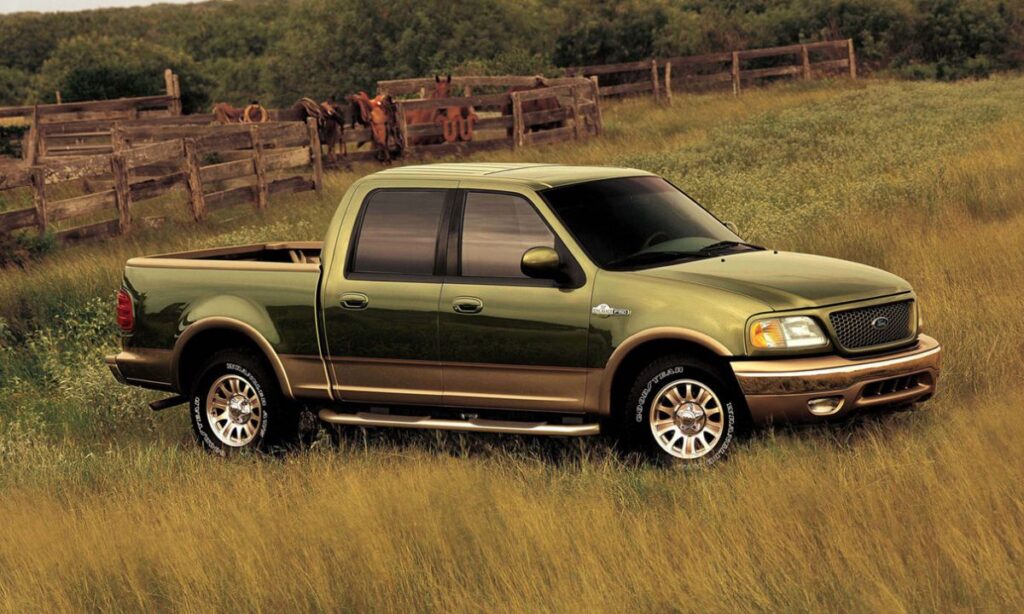
This generation spun off the heavier-duty F-250 and F-350 into the Super Duty line in 1999, focusing the F-150 on lighter duties while adding a light-duty F-250 variant. It served as the base for SUVs like the Expedition and Navigator, and even the short-lived Lincoln Blackwood luxury pickup. In Mexico, it was rebadged as the Ford Lobo. Motor Trend named it Truck of the Year in 1997, highlighting its innovative aero styling and refined ride. A minor facelift in 1999 updated the interior, and the SuperCrew cab debuted in 2001, offering true four-door convenience.
Design and features
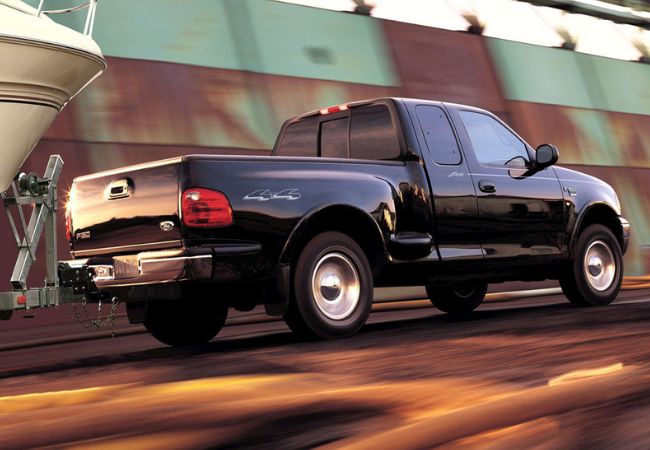
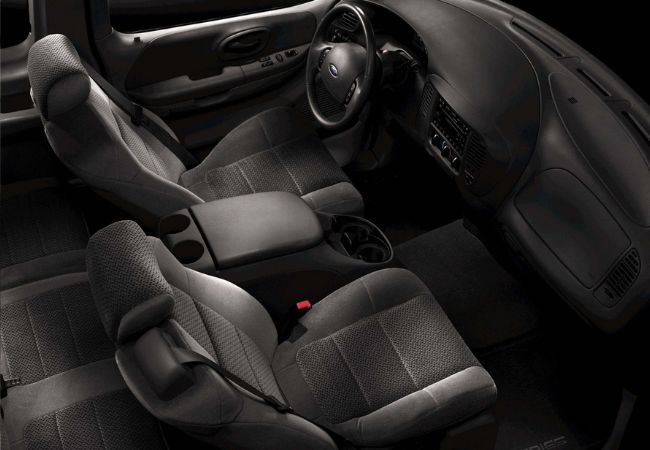
The 10th gen ditched the boxy look for smoother, car-like aerodynamics with a rounded nose and integrated bumpers, improving fuel efficiency and reducing wind noise. It retired the old Twin-I-Beam suspension for a torsion-bar independent front setup, enhancing handling and ride quality without sacrificing payload. Rear axles included the standard Ford 8.8-inch, with upgrades to 9.75-inch or Sterling 10.25-inch for heavier loads.
Cab options evolved: regular cab (two doors), SuperCab (initially with a single rear door, upgraded to two in 1999), and the innovative SuperCrew four-door in 2001. Bed lengths were 6.5 or 8 feet, with Styleside (smooth) or Flareside (stepped) designs. Wheelbases ranged from 119.9 to 157.1 inches, lengths from 202.2 to 239.4 inches, and heights around 72-75 inches depending on drivetrain.
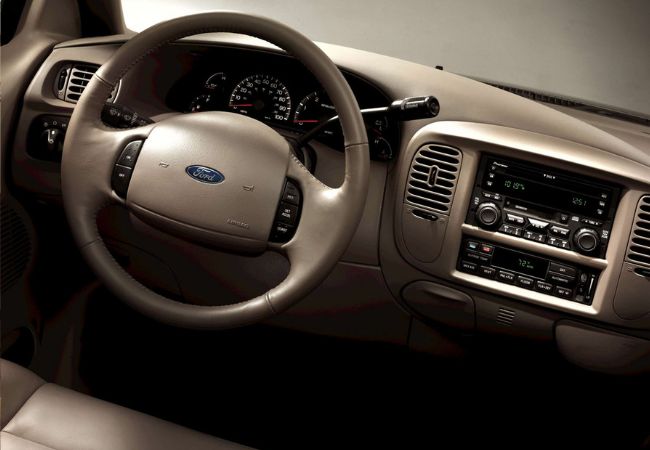
Interior upgrades included a redesigned dashboard in 1999 with better ergonomics, optional power accessories, and premium audio. Safety features were basic: dual airbags, ABS on higher trims, and four-wheel disc brakes on performance models. NHTSA gave it five-star crash ratings, but IIHS rated it “Poor” in frontal offsets due to severe cabin intrusion.
Engines and performance
Powertrains were all-new and more efficient, focusing on V6 and V8 options:
- 4.2L Essex V6: Base engine with 205 hp and 260 lb-ft, ideal for light duties. Paired with manual or automatic transmissions.
- 4.6L Triton V8: 220-231 hp and 280-293 lb-ft, balancing power and economy.
- 5.4L Triton V8: 235-260 hp and 330-350 lb-ft, for towing up to 8,800 lbs.
- Supercharged 5.4L Triton V8: In SVT Lightning (360-380 hp, 440-450 lb-ft) and Harley-Davidson editions (340 hp, 425 lb-ft), delivering sports car acceleration (0-60 mph in under 6 seconds for Lightning).
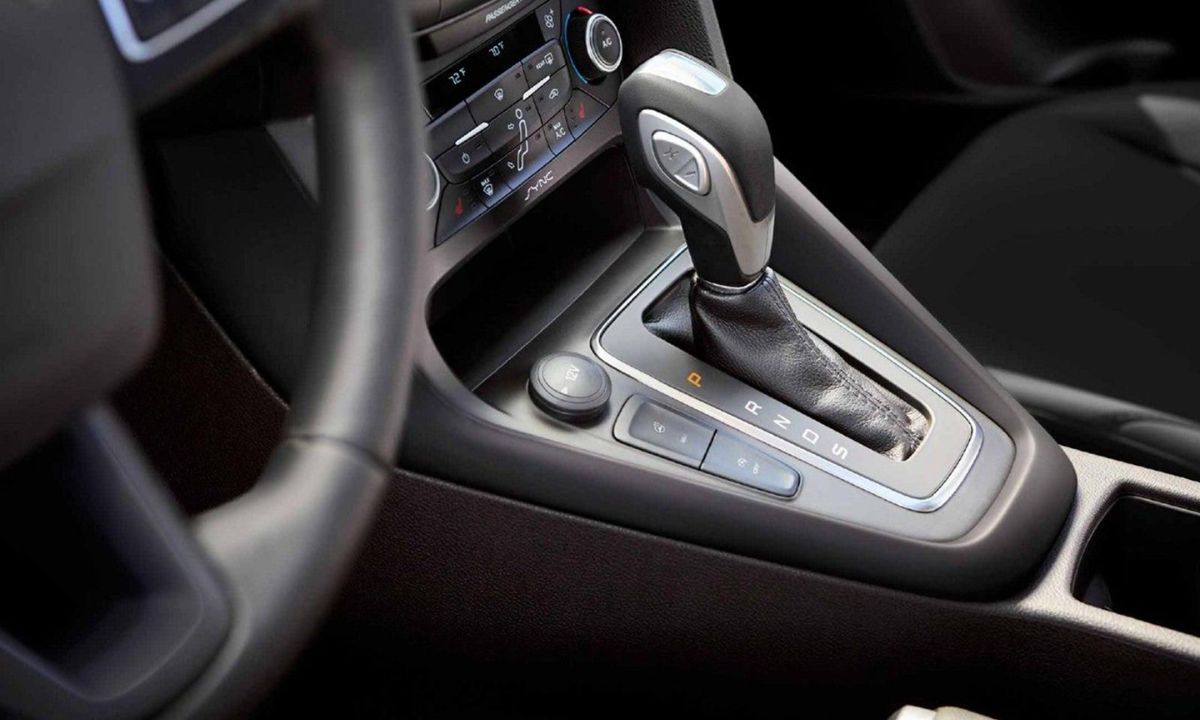
Transmissions included a 5-speed manual (phased out on higher trims) and 4-speed automatics (4R70W, E4OD, 4R100). Fuel economy hovered around 15-20 mpg combined, depending on configuration. Towing capacity reached 8,800 lbs with proper packages, and payload up to 3,000 lbs. Four-wheel drive was available with manual or electronic shift-on-the-fly systems.
Trim levels and special editions
Trims catered to various needs:
- XL/Work Series: Basic vinyl seats, manual everything, steel wheels—pure utility.
- XLT: Added chrome accents, cloth seats, power options, air conditioning, and alloy wheels.
- Lariat: Luxury with leather, power seats, premium audio, and auto headlamps.
- King Ranch (2001): High-end leather, heated seats, and unique badging.
Special editions added flair:
- SVT Lightning: Performance icon with lowered suspension, supercharged V8, and sporty styling—28,124 produced.
- Harley-Davidson: Blacked-out aesthetics with supercharged power.
- FX4 (2002): Off-road package with skid plates, Rancho shocks, and all-terrain tires.
- STX (2003): Sporty with fog lamps, chrome wheels, and upgraded stereo.
- Heritage Edition (2003): Centennial celebration with retro badging.
Pros
This generation shines in longevity and value:
- Durability: Owners report trucks lasting 200,000-300,000 miles with proper maintenance; the 4.6L and 5.4L V8s are known for reliability if spark plugs are handled carefully.
- Ride Quality: Smoother than predecessors, thanks to independent suspension—great for daily driving.
- Affordability: Used examples range from $3,000 for high-mileage basics to $19,000 for low-mile specials; cheap parts and easy DIY repairs.
- Customization: Vast aftermarket support for off-road, performance, or towing upgrades.
- Versatility: Multiple cab/bed options, strong towing (up to 8,800 lbs), and payload make it a jack-of-all-trades.
- Classic Appeal: Timeless styling that ages well, plus fun variants like Lightning for enthusiasts.
Cons and common issues
No truck is perfect, and age amplifies problems:
- Engine Woes: 5.4L Triton prone to spark plug ejection (threads strip), cam phaser rattles, and manifold cracks—repairs can cost $1,000+. 4.6L is more reliable but shares some issues.
- Rust: Frames, rockers, and beds corrode in salted regions; check for underbody damage.
- Transmission Failures: Automatics may slip or fail around 150,000 miles if fluid isn’t changed regularly.
- Safety Ratings: Poor IIHS frontal crash results due to cabin intrusion—avoid if safety is paramount.
- Fuel Economy: Dismal by modern standards (15-20 mpg), especially with V8s.
- Interior Wear: Plastics crack, seats sag, and electronics like power windows fail over time.
- Recalls: Cruise control switches could overheat and cause fires; ensure fixes were done.
Reliability and buying advice
Overall reliability is solid for its era, with many owners swearing by the 4.6L V8 for trouble-free miles. The 5.4L is powerful but riskier—opt for pre-2004 to avoid some plug issues. Diesel wasn’t offered, so gas engines dominate. Aim for well-maintained examples under 200,000 miles; inspect for rust, leaks, and service records. Budget $500-1,000 annually for upkeep. If buying in 2026, these are classics—great for projects or light work, but consider fuel costs and emissions compliance in strict areas.
Other nuances
This gen pioneered features like the SuperCrew, influencing modern crew cabs. Lightning models fetch premiums as collectibles, with values rising. Off-road enthusiasts love the FX4 for its simplicity. In Mexico, the Lobo variant added unique trims. Despite age, parts availability is excellent via Ford and aftermarket. It’s the truck for those who value mechanical simplicity over tech—raw, capable, and endlessly modifiable. If you’re after a budget beast that “refuses to die,” the 10th gen delivers, but inspect thoroughly to avoid money pits.