Ford Tire pressure guide: Recommended PSI for popular models
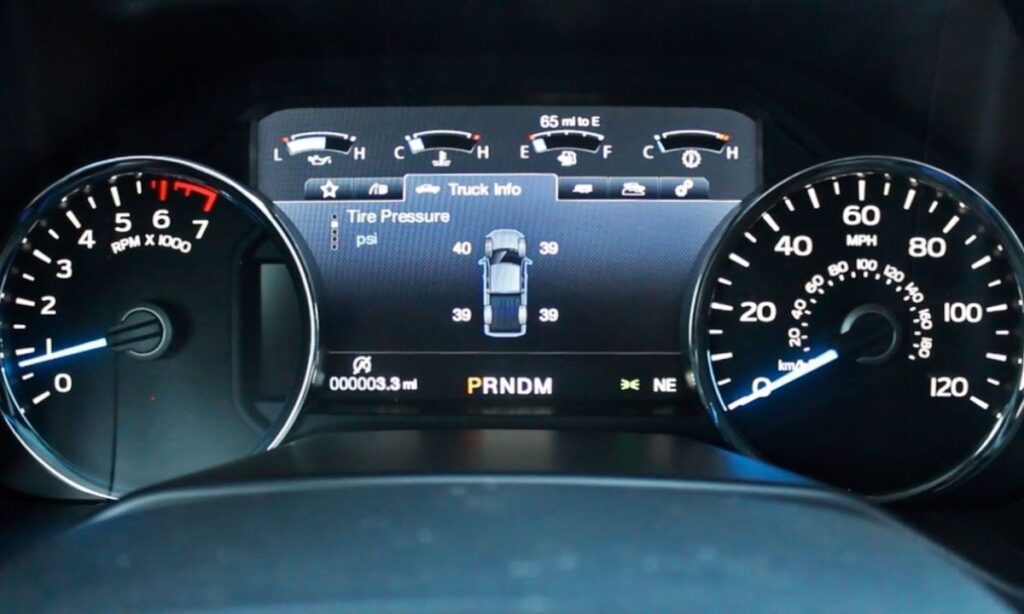
Maintaining the correct tire pressure is crucial for safety, fuel efficiency, and tire longevity in any Ford vehicle. Underinflated tires can lead to poor handling, increased wear, and reduced gas mileage, while overinflation might cause a harsher ride and uneven tread degradation. Ford provides specific recommendations based on model, trim, tire size, and load conditions, typically found on the driver’s door jamb sticker or in the owner’s manual. These values are for cold tires—check them monthly or before long trips, adjusting for temperature changes (about 1 PSI per 10°F drop). This guide covers popular models still on roads, drawing from manufacturer specs to help you optimize performance. Always consult your vehicle’s label for precise figures, as they may vary by year and variant.
Tire pressure for Ford trucks
Ford’s truck lineup, from compact to full-size, demands balanced pressure for towing, off-roading, and daily duties. Higher rear pressures often accommodate loads.
- Ford F-150: Standard models typically require 35 PSI front and rear for balanced ride and efficiency. Heavy-duty or towing variants may need 35-40 PSI front and 40-45 PSI rear to support payloads. For off-road trims like Raptor, aim for 38 PSI all around to enhance traction on uneven terrain.
- Ford F-Series Super Duty (F-250, F-350): These workhorses call for 60-65 PSI front and 70-80 PSI rear, depending on wheel size and load rating. Dual rear wheel setups often push to 80 PSI rear for stability under heavy hauls.
- Ford Ranger: Midsize adventurers perform best at 30-35 PSI front and rear, offering agility on trails while maintaining highway comfort. Overlanding setups might adjust lower for grip.
- Ford Maverick: As a compact hybrid pickup, it thrives at 32-35 PSI all tires, optimizing fuel economy (up to 40 mpg city) and handling for urban use.
Regular checks are vital for trucks, as fluctuating loads can alter ideal pressures—deflate slightly for sand or snow, but reinflate for pavement.
Tire pressure for Ford SUVs and crossovers
Ford’s SUVs prioritize family comfort and versatility, with pressures favoring smooth rides and all-weather capability.
- Ford Escape: Compact and efficient, it recommends 32-36 PSI front and rear. Hybrid versions benefit from this range for better mileage, while plug-ins might need slight adjustments for battery weight.
- Ford Edge: Midsize with sporty edges, set to 32-36 PSI all around. ST performance trims may prefer 35 PSI for sharper cornering.
- Ford Explorer: Versatile three-row hauler requires 32-36 PSI, ensuring stability for up to seven passengers. Timberline off-road models can drop to 30 PSI for trails but return to 35 PSI on roads.
- Ford Expedition: Full-size for big families, aim for 32-36 PSI front and rear. MAX extended versions handle 35 PSI to support towing up to 9,300 pounds.
- Ford Bronco: Rugged revival suggests 30-35 PSI, with lower pressures (around 25 PSI) for extreme off-roading via the G.O.A.T. modes. Street driving favors 35 PSI for efficiency.
For SUVs, monitor pressures seasonally—cold weather contracts air, potentially dropping 5-10 PSI overnight.
Tire pressure for Ford cars and sedans
Ford’s sedans and performance cars emphasize handling and economy, with lower pressures for comfort.
- Ford Mustang: Pony car icon runs best at 32-35 PSI front and rear. EcoBoost models optimize at 32 PSI for fuel savings, while GT V8s may use 35 PSI for track grip.
- Ford Focus: Compact discontinued but common, recommends 32-35 PSI. RS hot hatch variants prefer 35 PSI for dynamic performance.
- Ford Fusion: Midsize sedan (including hybrids) calls for 32 PSI all tires, balancing ride quality and up to 48 mpg in plug-in versions.
- Ford Taurus: Full-size legacy model suggests 32-35 PSI, providing a plush feel for long drives.
Sedans benefit from even pressures to prevent uneven wear, especially on front-wheel-drive setups.
Tire pressure for Ford vans and specialty vehicles
Ford’s utility vehicles handle varied loads, requiring higher pressures.
- Ford Transit: Commercial van needs 50-55 PSI front and rear for cargo stability. Passenger versions adjust to 45-50 PSI for comfort.
- Ford E-Series (Econoline): Cutaway vans recommend 55-60 PSI, supporting heavy modifications.
General tips for maintaining Ford tire pressure
Proper inflation enhances safety and saves money—underinflated tires increase rolling resistance, cutting efficiency by 3-5%.
- Use a reliable gauge: Digital ones provide accuracy; check when tires are cold (after 3+ hours rest).
- Adjust for load: Add 3-5 PSI when carrying heavy cargo or towing, but never exceed sidewall max (usually 44-51 PSI).
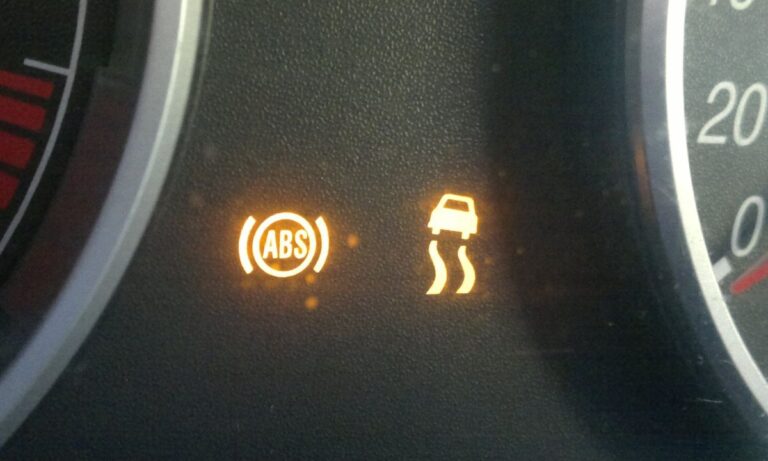
- Monitor TPMS: Ford’s Tire Pressure Monitoring System alerts at 25% underinflation; reset after adjustments.
- Seasonal changes: Inflate 2-4 PSI higher in summer to counter heat expansion.
- Spare tire: Keep at 60 PSI for emergencies, as it’s often compact.
- Rotation and alignment: Pair pressure checks with tire rotations every 5,000-8,000 miles to even wear.
By adhering to these guidelines, Ford owners can maximize vehicle performance, from the F-150’s towing prowess to the Mustang’s spirited drives. Regular maintenance not only extends tire life but also contributes to safer, more enjoyable journeys.