Powerful and reliable Scorpion Power Stroke V8 6.7L Ford engine
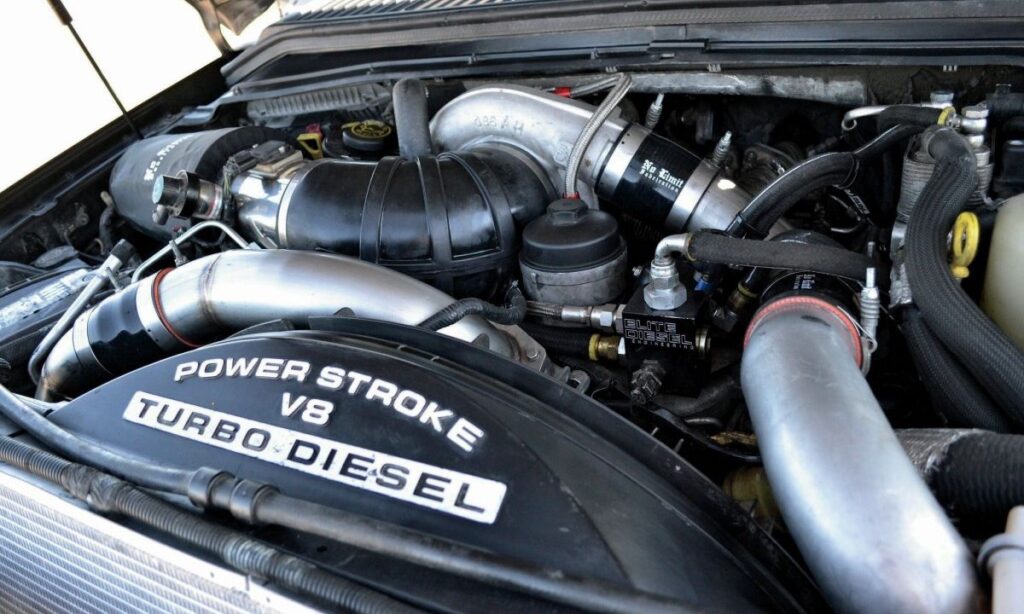
The Scorpion Power Stroke V8 6.7L diesel engine became a real breakthrough in the world of heavy-duty pickup trucks. It combines enormous torque with a well-thought-out design that allows confident towing of trailers and reliable operation in demanding conditions. This engine quickly gained popularity due to its perfect balance of power, fuel efficiency, and durability.
History of the Scorpion engine creation
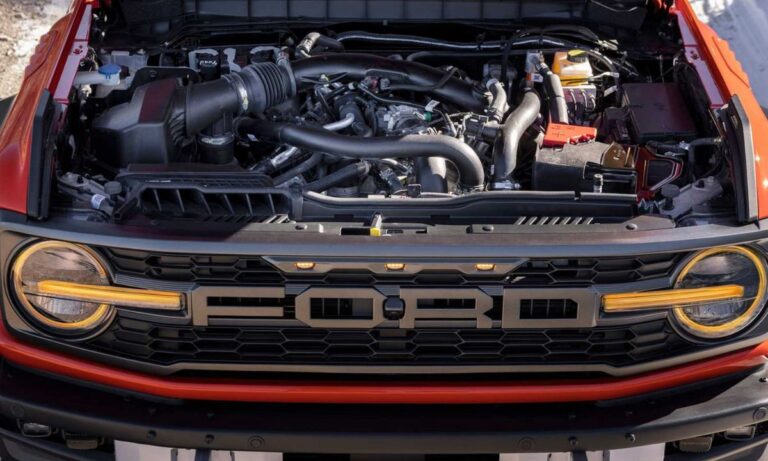
Ford developed this engine in-house after ending cooperation with other manufacturers. The codename Scorpion came from the unusual layout: the turbocharger and exhaust manifolds are located in the valley of the cylinder block. This design resembles a scorpion’s tail and made the construction more compact, reduced heat load on the engine bay, and improved turbo response.
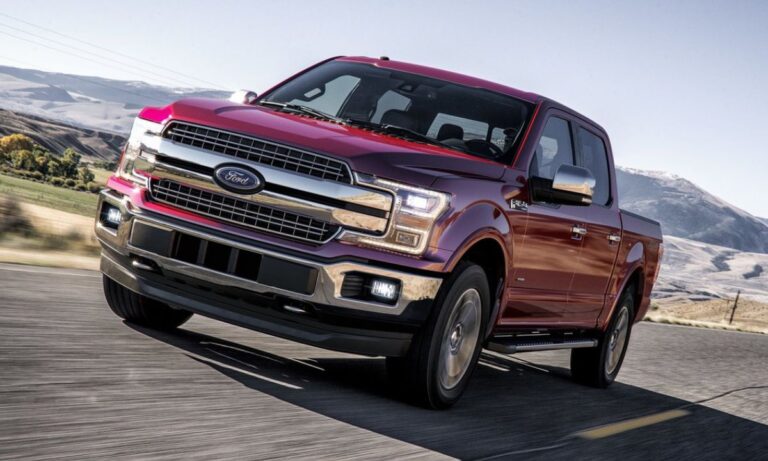
Engineers used modern materials and technologies so that the engine met strict environmental standards while maintaining outstanding performance. As a result, Ford created a completely proprietary product that is installed on the Ford Super Duty models — F-250, F-350, F-450, and F-550.
Design features of the engine
The Scorpion Power Stroke V8 6.7L engine is built on a 90-degree V8 layout with an overhead valve train. Key specifications include:
- cylinder bore of 99 mm and piston stroke of 108 mm;
- compression ratio of approximately 16.2:1;
- cylinder block made of compacted graphite iron (CGI) — a material that is lighter than traditional cast iron but stronger than aluminum;
- aluminum cylinder heads with reverse-flow gas design: air enters from the outside, while exhaust exits in the center of the valley.
This reverse-flow scheme shortens the path of exhaust gases to the turbocharger, reduces lag, and increases boost efficiency. The Garrett variable-geometry turbocharger with a dual compressor wheel provides quick response even at low engine speeds.
The fuel system operates on the common-rail principle with pressure up to 2000 bar. Piezoelectric injectors with eight holes deliver fuel up to five times per cycle, improving combustion and reducing fuel consumption. Additionally, piston cooling jets and fast-acting glow plugs ensure reliable cold starts.
Technical specifications and performance
Power and torque figures of the Scorpion Power Stroke V8 6.7L engine have grown over the years thanks to continuous improvements. Early versions produced around 390 horsepower and 997 Nm of torque. Later, output increased to 475 hp and 1424 Nm, while the high-output version reached 500 hp and 1627 Nm.
Key performance advantages include:
- maximum torque available from as low as 1600 rpm — perfect for heavy towing;
- good acceleration even when fully loaded;
- compatibility with up to 20% biodiesel fuel;
- efficient air-to-water charge air cooler.
Thanks to these characteristics, Ford Super Duty trucks with this engine demonstrate excellent results when hauling loads weighing tens of tons.
Advantages of the Scorpion Power Stroke engine
Owners appreciate the engine for several strong points. First, the compact layout with the turbo in the valley reduces underhood temperatures and simplifies maintenance. Second, the strong CGI block withstands high loads without excess weight — the entire engine turned out lighter than its predecessors.
The exhaust gas recirculation system and diesel particulate filter work efficiently, helping the engine meet environmental requirements without significant power loss. Piezo injectors provide precise fuel delivery, which positively affects fuel economy and smooth operation.
The engine shows excellent longevity with regular maintenance. Many units easily exceed hundreds of thousands of kilometers without major repairs, especially when oil, filters, and fuel quality are properly monitored.
Possible issues and operation recommendations
Like any modern diesel with complex electronics, the Scorpion engine has several typical points worth watching. In early versions, turbocharger issues sometimes occurred due to high shaft speeds. Over time, Ford replaced the design with a more reliable one.
One well-known weakness is the Bosch CP4.2 high-pressure fuel pump. If it fails, it can send metal shavings into the fuel system, requiring thorough cleaning. It is recommended to install an additional fine fuel filter or switch to more durable solutions at high mileage.
Contamination of the EGR cooler and occasional coolant leaks can also appear. To avoid expensive repairs, it is useful to:
- use only high-quality diesel fuel with low sulfur content;
- change oil every 8–10 thousand km depending on operating conditions;
- regularly check AdBlue fluid level and filter condition;
- perform computer diagnostics to detect faults in time.
With proper care, the engine demonstrates outstanding reliability and rarely requires serious intervention.
Comparison with previous Power Stroke engines
Compared to earlier Ford diesel engines, this unit represents a significant step forward. Previous versions suffered from problems with cylinder heads, gaskets, and turbo reliability. The new Scorpion received a completely redesigned construction, in-house manufacturing, and improved materials.
Thanks to the reverse-flow gas design and modern turbocharging, it was possible to simultaneously increase power, reduce fuel consumption, and improve environmental performance. Drivers note quieter operation and lower vibration at idle.
Final thoughts on the Scorpion Power Stroke V8 6.7L Engine
This engine combines power, advanced technology, and practicality. It continues to evolve, receiving updates in software, turbocharger, and piston group. For those who need a reliable workhorse for heavy tasks or everyday duties, the Scorpion engine remains one of the best choices in the segment of heavy-duty Ford Super Duty pickup trucks.