Ford dashboard warning lights and symbols: What they mean and what to do
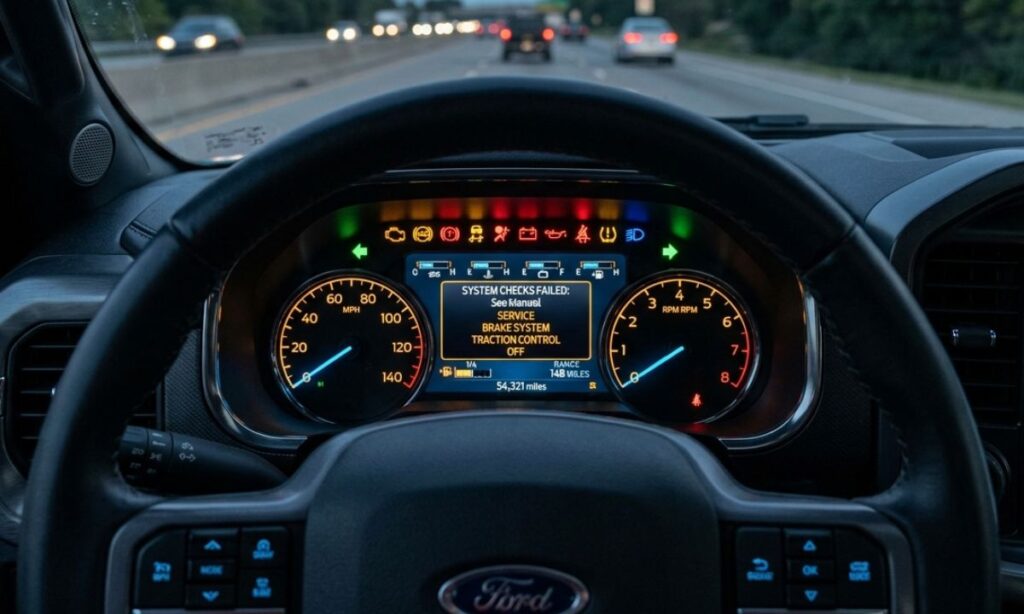
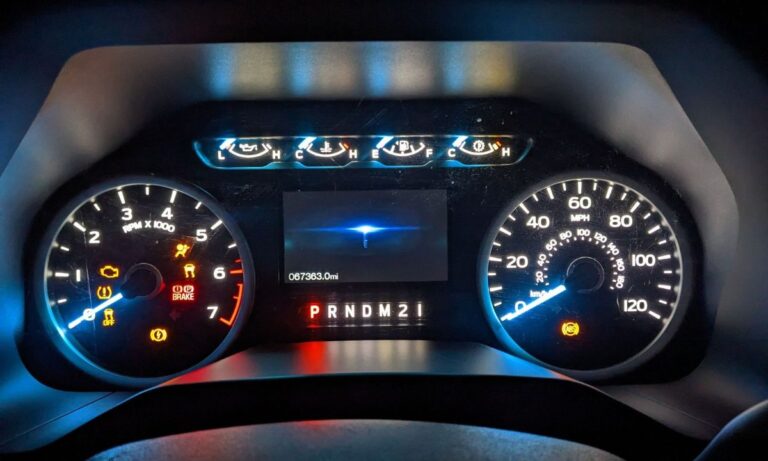
Ford vehicles use a standardized set of icons on the instrument cluster to communicate vehicle status, safety alerts, and potential problems. These symbols appear across models like the F-150, Mustang, Explorer, Bronco, Escape, Edge, and others, with minor variations by year and trim. Colors indicate urgency:
- Red — Serious issue; stop safely as soon as possible and seek service.
- Yellow/Amber — Caution; address soon to avoid bigger problems.
- Green/Blue — System active or operating normally (informational).
Flashing lights often signal more urgent conditions (e.g., severe misfire or active stability intervention). Always refer to your owner’s manual for model-specific details, as some icons are optional or vary with packages (e.g., towing, 4×4, hybrid).
Common Warning Lights (Red/Amber – Require Attention)
- Check Engine / Malfunction Indicator Lamp (engine outline or “wrench” with exclamation): Emissions system fault, misfire, sensor issue, or loose gas cap. Flashing means severe misfire – stop driving to prevent catalytic converter damage. Scan for codes ASAP.
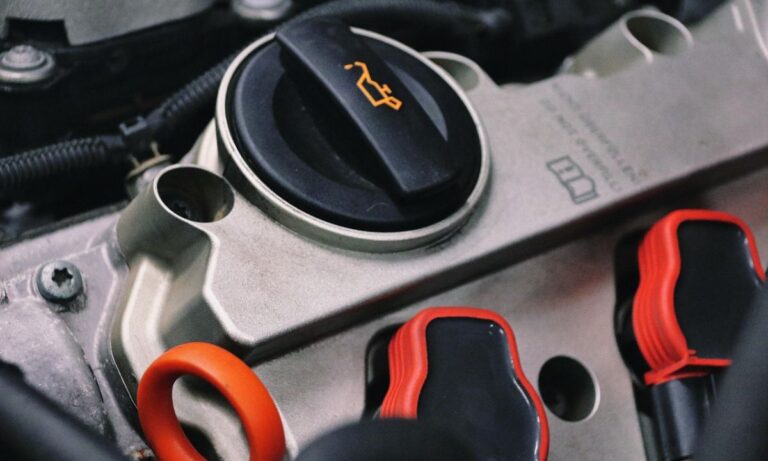
- Engine Oil Pressure (oil can with drop): Low oil pressure or pump failure. Stop immediately – continued driving can cause engine seizure.
- Engine Coolant Temperature (thermometer in waves): Overheating engine. Pull over, let cool, check coolant level. Never drive hot.
- Battery / Charging System (battery symbol): Alternator or battery fault – charging system not working. Battery may drain soon.
- Brake System (exclamation in circle or “BRAKE”): Low brake fluid, parking brake on, or hydraulic issue. Check fluid; do not drive if red and persistent.
- ABS (ABS in circle): Anti-lock brake system fault – regular brakes still work, but ABS may not in panic stops.
- Airbag / SRS (person with airbag): Supplemental restraint system problem – airbags may not deploy in crash. Service required.
- Powertrain Fault (wrench or gear with exclamation): Engine, transmission, or driveline issue. Limp mode may activate.
- Tire Pressure Monitoring System (TPMS) (exclamation in tire cross-section): Low tire pressure in one or more tires. Check and inflate to spec.
- Low Fuel (fuel pump icon): Fuel level critically low – refuel soon.
- Master Warning (red triangle with exclamation): General alert – check DIC for message (e.g., door ajar, hood open).
Safety and Stability Lights
- Electronic Stability Control / AdvanceTrac (car swerving or skidding icon): System active (flashing) or fault (steady). If steady, traction/stability may be off.
- Hill Start Assist / Hill Descent Control (car on slope): Active when holding on inclines or descending.
Lighting and Visibility Indicators
- High Beam (blue headlight beam): High beams on.
- Front Fog Lamps (headlight with wavy lines): Fog lights active.
- Automatic High Beam (high beam icon with “A”): Auto high beam enabled.
- Exterior Bulb Failure (headlight/taillight with exclamation): Burnt-out bulb in headlights, taillights, or signals.
Driver Assist and Convenience Indicators
- Adaptive Cruise Control (speedometer with car ahead): ACC active (green) or fault (amber).
- Cruise Control (speedometer icon): Standard cruise on.
- Lane-Keeping System (lane lines with steering wheel): Active or fault.
- Blind Spot Monitoring (car in blind spot mirror): Vehicle in blind spot (flashing if turn signal on).
- Cross-Traffic Alert (similar blind spot icon): Traffic approaching when reversing.
- Eco Mode (leaf icon): Fuel-saving mode active.
- 4WD / AWD (4×4 or AWD symbol): 4-wheel drive engaged (green).
Special Ford Icons (Common in Trucks/SUVs)
- Trailer Tow / Trailer Connected (trailer icon): Trailer detected or tow mode active.
- Tow/Haul Mode (truck with trailer): Tow/haul mode engaged for better shifting under load.
- Water in Fuel (diesel models): Water detected in diesel fuel filter.
- Hood Ajar (hood outline): Hood not fully closed (Explorer and similar).
What to Do When a Light Appears
- Red lights — Pull over safely when possible and turn off engine if critical (e.g., oil pressure, overheating). Do not ignore.
- Yellow/amber — Drive cautiously to a service center soon. Many allow safe driving short distances.
- Green/blue — Normal operation; no action needed.
- Flashing — Immediate attention required (e.g., flashing check engine = misfire).
- Multiple lights — Often tied to one issue; read the DIC message for details.
Most modern Fords (2015+) display text messages alongside icons for clarity (e.g., “Low Tire Pressure – Check Tires”). If a light stays on after restart or recurs, use an OBD-II scanner or visit a dealer for codes. Ignoring warnings can lead to costly repairs or safety risks. Familiarize yourself with your model’s cluster via the owner’s manual or Ford’s online resources for the most accurate interpretation. Safe driving starts with understanding what your truck or car is telling you.