Toyota diagnostic trouble codes: common errors with decodings and solutions
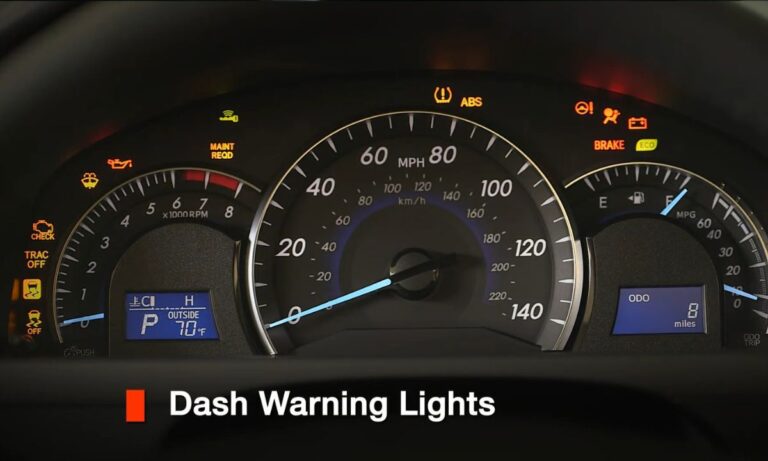
Toyota vehicles, renowned for their reliability, still encounter electrical and mechanical issues that trigger diagnostic trouble codes (DTCs) through the on-board diagnostics system. These codes, primarily OBD-II standard since 1996, help pinpoint problems ranging from minor sensor glitches to critical engine malfunctions. Understanding them empowers owners and mechanics to address faults efficiently, preventing escalation into costly repairs. This guide focuses on the most prevalent codes across Toyota models like Camry, Corolla, RAV4, and Tacoma, categorized by vehicle systems for clarity. Each entry includes the code, a detailed explanation, potential causes, and practical solutions based on common diagnostic practices.
Engine system codes
Engine-related codes often stem from combustion, timing, or sensor failures, leading to rough idling, reduced power, or increased emissions. These are among the most frequent in Toyotas due to high-mileage wear on components like spark plugs and coils.
- P0300: Random/multiple cylinder misfire detected. Causes: Faulty spark plugs, ignition coils, or fuel injectors; vacuum leaks; low compression. Solutions: Inspect and replace spark plugs/coils; check for vacuum leaks; perform compression test.
- P0301: Misfire detected in cylinder 1. Causes: Worn spark plug or coil in cylinder 1; faulty injector; wiring issues. Solutions: Swap coil/plug with another cylinder to isolate; replace defective parts.
- P0302: Misfire detected in cylinder 2. Causes: Similar to P0301 but specific to cylinder 2; possible carbon buildup. Solutions: Clean injectors; replace affected components.
- P0303: Misfire detected in cylinder 3. Causes: Ignition or fuel delivery failure in cylinder 3. Solutions: Test ignition system; ensure proper fuel pressure.
- P0304: Misfire detected in cylinder 4. Causes: Faulty wiring or connector at cylinder 4. Solutions: Repair wiring; replace coil or plug.
- P0305: Misfire detected in cylinder 5. Causes: Low fuel pressure or bad injector in cylinder 5. Solutions: Check fuel pump; clean or replace injector.
- P0306: Misfire detected in cylinder 6. Causes: Vacuum leak near cylinder 6 intake. Solutions: Smoke test for leaks; seal as needed.
- P0335: Crankshaft position sensor “A” circuit malfunction. Causes: Faulty crankshaft sensor; damaged wiring; timing belt issues. Solutions: Replace sensor; inspect harness for shorts.
- P0340: Camshaft position sensor circuit malfunction. Causes: Bad cam sensor; timing chain stretch; ECM fault. Solutions: Replace sensor; check timing components.
- P1335: No crankshaft position sensor signal while engine running. Causes: Sensor failure during operation; loose connections. Solutions: Secure wiring; replace sensor if signal absent.
- P1349: Variable valve timing (VVT) system malfunction. Causes: Low or dirty engine oil; faulty VVT solenoid; ECM issues. Solutions: Change oil and filter; test and replace solenoid.
- P1300: Igniter circuit malfunction – No. 1. Causes: Defective ignition coil or igniter; wiring damage. Solutions: Replace coil; repair harness.
- P1310: Igniter circuit malfunction – No. 2. Causes: Similar to P1300 but for second circuit. Solutions: Isolate and replace faulty igniter or wiring.
Fuel system codes
Fuel system errors frequently arise from imbalances in air-fuel mixture, often due to contaminated sensors or leaks, affecting efficiency and causing hesitation or stalling in Toyotas.
- P0170: Fuel trim malfunction. Causes: Dirty mass air flow (MAF) sensor; vacuum leaks; faulty fuel pressure regulator. Solutions: Clean MAF; scan for leaks; adjust or replace regulator.
- P0171: System too lean (Bank 1). Causes: Air intake leaks; clogged fuel filter; weak fuel pump. Solutions: Inspect intake hoses; replace filter; test pump pressure.
- P0172: System too rich. Causes: Faulty oxygen sensor; leaking injectors; high fuel pressure. Solutions: Replace O2 sensor; clean or replace injectors.
- P0201: Injector circuit – Cylinder 1. Causes: Open or short in injector wiring; faulty injector. Solutions: Check resistance; repair wiring or replace injector.
- P0202: Injector circuit – Cylinder 2. Causes: Similar to P0201 for cylinder 2. Solutions: Test circuit continuity; replace as needed.
- P0203: Injector circuit – Cylinder 3. Causes: Poor connection at injector 3. Solutions: Clean terminals; replace injector if faulty.
- P0204: Injector circuit – Cylinder 4. Causes: Wiring harness damage. Solutions: Repair shorts; test injector operation.
- P0205: Injector circuit – Cylinder 5. Causes: Clogged injector. Solutions: Use fuel system cleaner; replace if persistent.
- P0206: Injector circuit – Cylinder 6. Causes: ECM signal issue. Solutions: Scan ECM; reprogram if necessary.
- P1228: Fuel pump malfunction. Causes: Faulty pump; clogged lines; electrical failure. Solutions: Replace pump; clear obstructions.
- P1229: Fuel system over pressure. Causes: Defective pressure regulator; blocked return line. Solutions: Replace regulator; inspect lines.
- P1200: Fuel pump relay circuit malfunction. Causes: Bad relay; shorted wiring. Solutions: Swap relay; repair circuit.
Transmission system codes
Transmission codes in Toyotas often relate to shift solenoids or sensors, leading to erratic shifting or limp mode, common in models with automatic gearboxes under heavy use.
- P0750: Shift solenoid “A” malfunction. Causes: Faulty solenoid; low transmission fluid; wiring issues. Solutions: Check fluid level; replace solenoid.
- P0753: Shift solenoid “A” electrical. Causes: Open circuit in solenoid wiring. Solutions: Repair harness; test solenoid resistance.
- P0755: Shift solenoid “B” malfunction. Causes: Similar to P0750 for solenoid B. Solutions: Flush transmission; replace solenoid.
- P0760: Shift solenoid “C” malfunction. Causes: Contaminated fluid; solenoid failure. Solutions: Change fluid and filter; replace solenoid.
- P0765: Shift solenoid “D” malfunction. Causes: Electrical short. Solutions: Inspect wiring; replace faulty parts.
- P0770: Shift solenoid “E” malfunction. Causes: Mechanical blockage. Solutions: Disassemble and clean; replace if damaged.
- P1780: Park/neutral position switch malfunction. Causes: Misadjusted switch; wiring damage. Solutions: Adjust or replace switch; check connections.
- P0705: Transmission range sensor circuit malfunction. Causes: Faulty sensor; shorted harness. Solutions: Replace sensor; repair wiring.
Emissions and EGR system codes
Emissions codes are prevalent in Toyotas due to strict environmental standards, often triggered by aging catalytic converters or EVAP components, resulting in failed inspections.
- P0401: EGR flow insufficient. Causes: Clogged EGR valve; faulty sensor; vacuum leaks. Solutions: Clean valve; replace if stuck.
- P0402: EGR flow excessive. Causes: Stuck open EGR valve; wiring short. Solutions: Test valve operation; repair circuit.
- P0420: Catalyst system efficiency below threshold (Bank 1). Causes: Failed catalytic converter; exhaust leaks; bad O2 sensors. Solutions: Replace converter; fix leaks.
- P0430: Catalyst system efficiency below threshold (Bank 2). Causes: Similar to P0420 for Bank 2. Solutions: Scan O2 sensors; replace converter.
- P0440: EVAP control system malfunction. Causes: Loose gas cap; faulty purge valve. Solutions: Tighten cap; replace valve.
- P0441: EVAP control system incorrect purge flow. Causes: Blocked canister; solenoid failure. Solutions: Clear blockages; test solenoid.
- P0442: EVAP system small leak detected. Causes: Cracked hoses; leaking gas cap. Solutions: Smoke test system; replace damaged parts.
- P0446: EVAP control system vent control circuit. Causes: Faulty vent valve; wiring issues. Solutions: Replace valve; check harness.
- P1410: EGR valve position sensor circuit malfunction. Causes: Bad sensor; poor connection. Solutions: Replace sensor; clean terminals.
- P1411: EGR valve position sensor range/performance. Causes: Stuck valve. Solutions: Lubricate or replace valve assembly.
Sensor and electrical system codes
Sensor codes highlight issues with monitoring devices, common in Toyotas from environmental exposure, causing inaccurate readings and performance dips.
- P0100: Mass air flow circuit malfunction. Causes: Dirty MAF sensor; disconnected wiring. Solutions: Clean sensor; secure connections.
- P0101: Mass air flow circuit range/performance. Causes: Air leaks post-MAF; faulty sensor. Solutions: Seal leaks; replace MAF.
- P0105: Manifold absolute pressure circuit. Causes: Faulty MAP sensor; vacuum issues. Solutions: Test sensor; fix vacuum lines.
- P0106: MAP/BARO circuit range/performance. Causes: Leaking vacuum line; sensor failure. Solutions: Replace sensor; inspect lines.
- P0110: Intake air temperature circuit. Causes: Faulty IAT sensor; dirty filter. Solutions: Replace sensor; clean air intake.
- P0115: Engine coolant temperature circuit. Causes: Low coolant; bad thermostat. Solutions: Refill coolant; replace thermostat.
- P0116: Engine coolant temperature range/performance. Causes: Stuck thermostat. Solutions: Flush cooling system; replace thermostat.
- P0120: Throttle pedal sensor switch “A” circuit. Causes: Faulty TPS; wiring short. Solutions: Clean throttle body; replace TPS.
- P0121: Throttle pedal sensor switch “A” range/performance. Causes: Misaligned TPS. Solutions: Adjust or replace sensor.
- P0125: Insufficient coolant temperature for closed loop fuel control. Causes: Faulty ECT sensor. Solutions: Replace sensor; check wiring.
- P0130: Heated oxygen sensor circuit – Bank 1 Sensor 1. Causes: Bad O2 sensor; exhaust leak. Solutions: Replace sensor; seal leaks.
- P0133: Heated oxygen sensor circuit slow response Bank 1 Sensor 1. Causes: Aged sensor. Solutions: Replace front O2 sensor.
- P0135: Heated oxygen sensor heater circuit – Bank 1 Sensor 1. Causes: Heater failure. Solutions: Replace sensor.
- P0136: Heated oxygen sensor circuit – Bank 1 Sensor 2. Causes: Rear O2 issues. Solutions: Inspect wiring; replace sensor.
- P0153: Heated oxygen sensor circuit slow response – Bank 2 Sensor 1. Causes: Similar to P0133 for Bank 2. Solutions: Replace sensor.
- P0325: Knock sensor 1 circuit. Causes: Faulty knock sensor; wiring damage. Solutions: Replace sensor; repair harness.
- P0330: Knock sensor 2 circuit. Causes: Similar to P0325 for second sensor. Solutions: Test and replace.
- P0500: Vehicle speed sensor malfunction. Causes: Faulty VSS; damaged wiring. Solutions: Replace sensor; check speedometer cable.
- P0505: Idle speed control system. Causes: Dirty throttle body; IAC valve failure. Solutions: Clean throttle; replace IAC.
- P0510: Closed throttle position switch. Causes: Misadjusted switch. Solutions: Adjust or replace switch.
- P1120: Accelerator pedal position sensor circuit. Causes: Faulty APP sensor. Solutions: Replace sensor; check pedal assembly.
- P1121: Accelerator pedal position sensor range/performance. Causes: Sensor misalignment. Solutions: Calibrate or replace.
- P1125: Throttle control motor circuit. Causes: Motor failure; wiring short. Solutions: Repair circuit; replace motor.
- P1130: Air-fuel sensor circuit range/performance. Causes: Faulty A/F sensor. Solutions: Replace sensor.
- P1133: Air-fuel sensor circuit response. Causes: Slow sensor response. Solutions: Clean or replace.
- P1135: Air-fuel sensor heater circuit response. Causes: Heater malfunction. Solutions: Replace sensor.
- P1150: A/F sensor circuit range/performance. Causes: Similar to P1130 for Bank 2. Solutions: Replace sensor.
- P1153: A/F sensor circuit response. Causes: Response delay. Solutions: Test and replace.
- P1155: A/F sensor heater circuit. Causes: Heater failure in Bank 2. Solutions: Replace sensor.
- P1400: Sub-throttle position sensor. Causes: Faulty sensor; poor connection. Solutions: Replace; clean terminals.
- P1401: Sub-throttle position sensor range/performance. Causes: Sensor out of range. Solutions: Calibrate or replace.
- P1405: Turbo pressure sensor circuit. Causes: Faulty sensor in turbo models. Solutions: Replace sensor.
- P1406: Turbo pressure sensor range/performance. Causes: Vacuum issues. Solutions: Check lines; replace sensor.
- P1500: Starter signal circuit. Causes: Faulty starter relay. Solutions: Replace relay; check wiring.
- P1520: Stop lamp switch signal. Causes: Bad brake light switch. Solutions: Replace switch.
- P1565: Cruise control main switch circuit. Causes: Faulty switch; wiring. Solutions: Replace switch.
- P1600: ECM battery malfunction. Causes: Low battery voltage; ECM fault. Solutions: Charge battery; test ECM.
- P1656: OCV circuit malfunction. Causes: Oil control valve issue. Solutions: Replace OCV; change oil.
- P2121: Throttle/pedal position sensor error. Causes: Faulty pedal sensor. Solutions: Replace assembly.
Other system codes
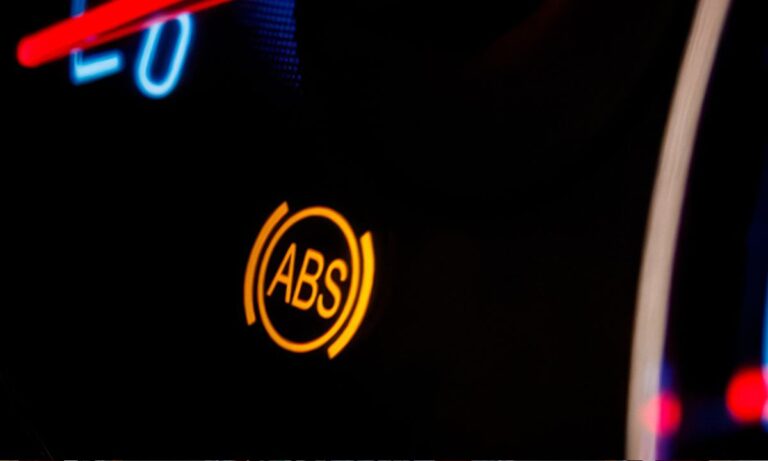
These encompass broader electrical, chassis, or auxiliary faults, less common but impactful on safety features like ABS or airbags in Toyotas.
- C1201: Engine control system malfunction. Causes: ECM communication error. Solutions: Scan ECM; reset codes.
- B1421: Passenger airbag module circuit. Causes: Wiring fault in airbag. Solutions: Repair harness; professional inspection required.
- U0100: Lost communication with ECM/PCM. Causes: CAN bus issues; loose connectors. Solutions: Check wiring; reseat modules.
- P2770: Oxygen sensor stuck lean. Causes: Faulty sensor; fuel issues. Solutions: Replace sensor; check fuel system.
Toyota’s DTCs reflect the brand’s sophisticated engineering, where even minor codes can signal preventive maintenance opportunities, ensuring longevity and smooth operation across diverse driving conditions.