Toyota 1KR-FE 1.0L Engine: Specs, strengths, weaknesses, and maintenance tips
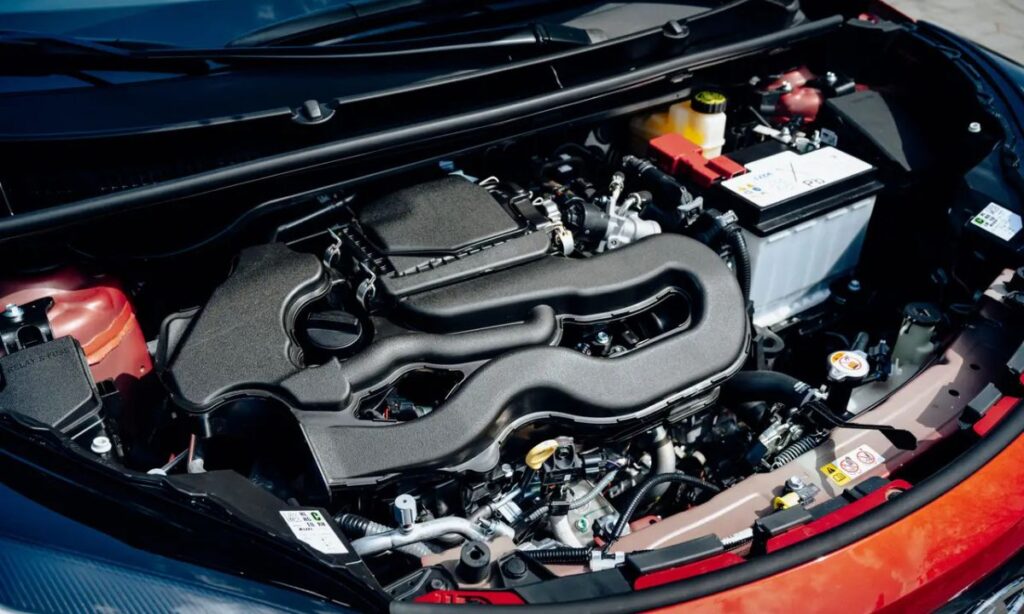
The Toyota 1KR-FE engine represents a pinnacle of compact engineering, designed for efficiency in small urban vehicles. Introduced in the mid-2000s, this 1.0-liter powerplant has powered models like the Aygo, Yaris, Passo, and Vitz, as well as shared platforms with Citroën C1 and Peugeot 107. Co-developed with Daihatsu, it emphasizes lightweight construction and advanced features to deliver peppy performance without guzzling fuel. Over the years, it has earned acclaim for its balance of economy and durability, making it a favorite for city commuters who prioritize low running costs and reliability. Let’s dive into what makes this engine tick, from its core specifications to real-world pros and cons, and how to keep it running smoothly for hundreds of thousands of kilometers.
Detailed Specifications of the Toyota 1KR-FE Engine
At its heart, the 1KR-FE is a three-cylinder inline engine that punches above its weight class through clever design choices. Its aluminum block and head keep things light, while variable valve timing (VVT-i) on the intake side optimizes power delivery across the rev range. Here’s a breakdown of its key technical details:
- Displacement: 998 cc (1.0 liters), providing just enough volume for agile urban driving without excess.
- Configuration: Inline three-cylinder (I3) layout, naturally aspirated for simplicity and responsiveness.
- Bore and Stroke: 71 mm bore paired with an 84 mm stroke, favoring torque over high-revving power.
- Compression Ratio: 10.5:1, allowing efficient combustion on regular unleaded fuel while meeting stringent emission standards like Euro 4 and 5.
- Valvetrain: Dual overhead camshaft (DOHC) with four valves per cylinder (12 total), enhanced by VVT-i for better low-end torque and reduced emissions.
- Power Output: Ranges from 65 to 71 horsepower (48-52 kW) at 6,000 rpm, depending on the application and market tuning.
- Torque: 85 to 94 Nm (63-69 lb-ft) peaking between 3,600 and 4,800 rpm, offering decent pull for light vehicles.
- Fuel System: Multi-point fuel injection (MPFI) for precise delivery, contributing to clean burns and optimal efficiency.
- Materials: Aluminum alloy block and head for reduced weight—around 69-75 kg fully assembled—improving overall vehicle handling.
- Ignition: Direct ignition system (DIS) with individual coils for reliable spark.
- Firing Order: 1-3-2, typical for a three-cylinder to minimize vibrations.
- Weight and Dimensions: Compact footprint suits A-segment cars, with a dry weight that enhances fuel savings.
- Emissions and Efficiency: CO2 output as low as 99 g/km in optimized setups, with real-world fuel consumption often between 4.1-5.5 liters per 100 km (42-57 mpg).
This setup earned the engine multiple International Engine of the Year awards in the sub-1.0-liter category from 2007 to 2010, highlighting its innovative thermal efficiency reaching up to 37% in some variants. It’s a testament to Toyota’s focus on blending performance with environmental responsibility.
Strengths of the Toyota 1KR-FE Engine
What sets the 1KR-FE apart is its ability to excel in everyday scenarios where larger engines falter. Owners often rave about its frugality and dependability, backed by Toyota’s reputation for longevity. Here are the standout advantages that make it a smart choice for budget-conscious drivers:
- Exceptional fuel economy stands out as the engine’s crowning achievement, ideal for stop-and-go city traffic where it can achieve over 20 km/l in real-world conditions.
- Lightweight aluminum construction not only shaves off pounds but also improves vehicle balance, leading to nimbler handling in compact cars like the Yaris.
- Proven reliability shines through with minimal major failures when serviced properly; many units surpass 250,000 km with basic care.
- Low emissions compliance without complex add-ons, making it eco-friendly and often qualifying for tax incentives in various markets.
- Simple architecture reduces repair complexity—fewer parts mean easier diagnostics and lower long-term ownership hassles.
- Chain-driven timing system eliminates the need for periodic belt replacements, adding to its low-maintenance appeal.
- Smooth integration with CVT or manual transmissions, providing responsive acceleration for urban merging and overtaking.
- Award-winning design underscores its engineering prowess, with thermal efficiency that rivals more advanced units.
In essence, the 1KR-FE thrives in environments where efficiency trumps raw power, proving that small engines can deliver big on practicality.
Problem Areas in the Toyota 1KR-FE Engine
No engine is flawless, and the 1KR-FE has its share of quirks that emerge with age or neglect. While generally robust, certain issues crop up frequently in forums and service records, often tied to mileage or maintenance lapses. Understanding these can help owners spot trouble early:
- Excessive oil consumption becomes noticeable after 150,000 km, typically due to worn piston rings or carbon buildup, leading to frequent top-ups.
- Timing chain elongation around 100,000-120,000 km can cause rattling or misalignment; ignoring it risks valve damage.
- Inherent vibrations from the three-cylinder design are more pronounced at idle or highway speeds, sometimes exacerbated by worn mounts.
- Water pump failures occur prematurely in some units, leading to overheating if not addressed swiftly.
- Carbon deposits in the EGR system or throttle body can trigger rough idling, hesitation, or check engine lights.
- Valve stem seals hardening with age result in blue smoke on acceleration, especially after downhill coasting.
- Cold start issues, like extended cranking, may stem from sensor malfunctions or fuel system glitches.
- Oil passage clogging from sludge buildup accelerates bearing wear if oil changes are skipped.
These problems are often preventable, but they highlight the importance of proactive checks in high-mileage examples.
Maintenance Recommendations for the Toyota 1KR-FE Engine
Keeping the 1KR-FE in top shape boils down to consistent, targeted care that addresses its design nuances. Follow these guidelines to maximize lifespan and performance, drawing from manufacturer specs and owner experiences:
- Change engine oil every 5,000 km using high-quality 5W-30 synthetic to prevent sludge and maintain lubrication.
- Monitor oil levels weekly, especially in older engines prone to consumption, and top up as needed to avoid low-pressure damage.
- Replace spark plugs at 60,000 km intervals with iridium-tipped OEM equivalents for optimal ignition and fuel efficiency.
- Flush the cooling system every four years to ward off corrosion and ensure the water pump’s longevity.
- Clean the throttle body annually or every 15,000 km with a suitable cleaner to combat carbon buildup and smooth idle.
- Inspect and replace the timing chain kit (including tensioner and guides) around 100,000 km if rattling is detected.
- Use detergent-rich, top-tier fuel to minimize deposits in injectors and valves.
- Check valve clearances during major services; adjust if tappet noise or vibrations increase.
- Perform compression tests periodically to catch ring wear early.
- Keep the air filter fresh and inspect belts for deflection—aim for 7-8 mm on new ones.
- Address any check engine lights promptly, as they often signal sensor or emission-related issues.
By sticking to this regimen, the 1KR-FE can remain a reliable workhorse, rewarding owners with years of trouble-free motoring. Whether navigating tight city streets or embarking on longer trips, this engine’s potential shines brightest when given the attention it deserves.