Toyota ABS light on: common causes and how to fix it
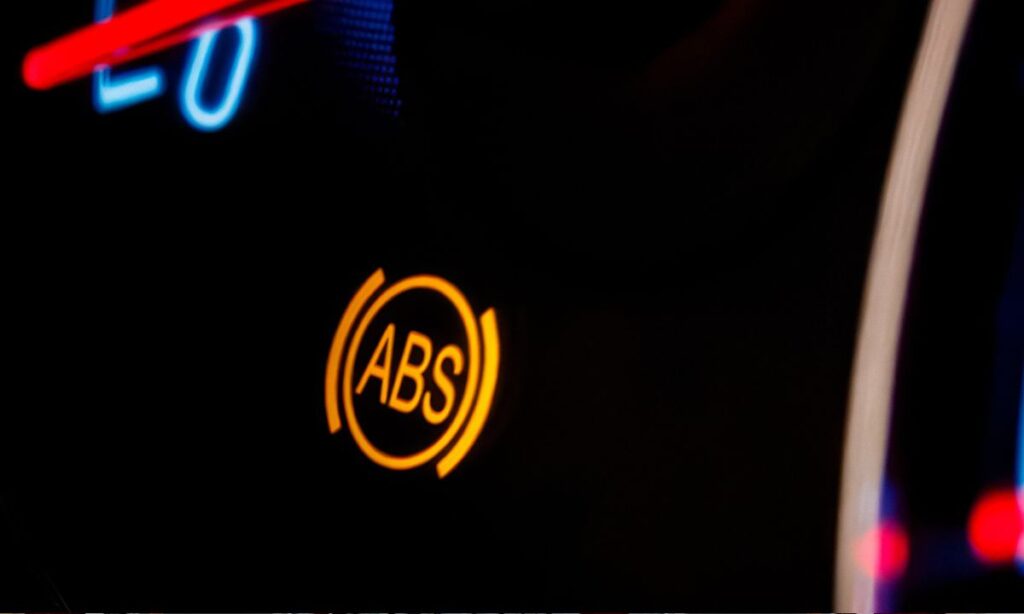
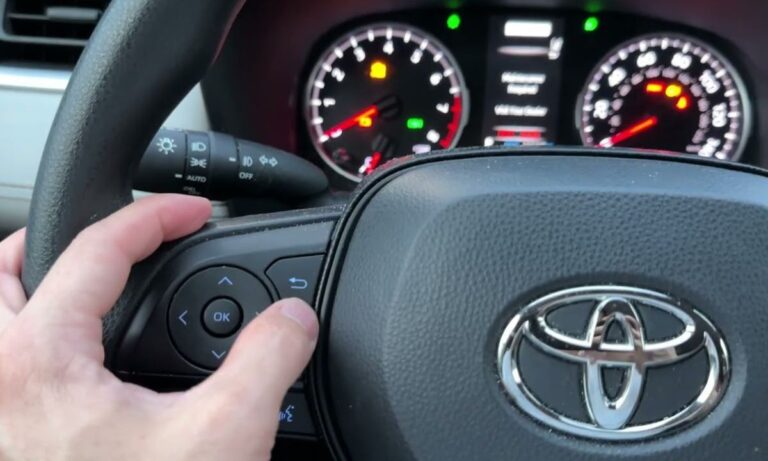
Seeing the ABS warning light illuminated on your Toyota dashboard is never pleasant. The light indicates a problem in the anti-lock braking system, which prevents the wheels from locking during hard braking. While regular brakes usually still work, the ABS, traction control, and sometimes brake assist functions are disabled until the issue is resolved. Driving with the light on reduces safety in emergency situations, so it should be addressed promptly.
Most common causes of ABS light on Toyota models
Several issues frequently trigger the ABS light on popular Toyotas like Camry, Corolla, RAV4, Tacoma, and Highlander. Here are the top reasons:
- Faulty wheel speed sensor — this is by far the most common cause. Each wheel has a sensor that monitors rotation speed. Dirt, corrosion, damage from road debris, or a failed sensor sends incorrect signals to the ABS module.
- Low brake fluid level — the ABS system shares the brake fluid reservoir. Low fluid due to a leak, worn pads, or evaporation triggers the warning because the system detects insufficient hydraulic pressure.
- Damaged wiring or connectors — wiring to the wheel speed sensors can rub against suspension components, get pinched, or corrode over time, especially in snowy or salty regions.
- Tone ring problems — the toothed ring on the wheel hub or CV axle can become dirty, cracked, or damaged, disrupting the sensor’s signal.
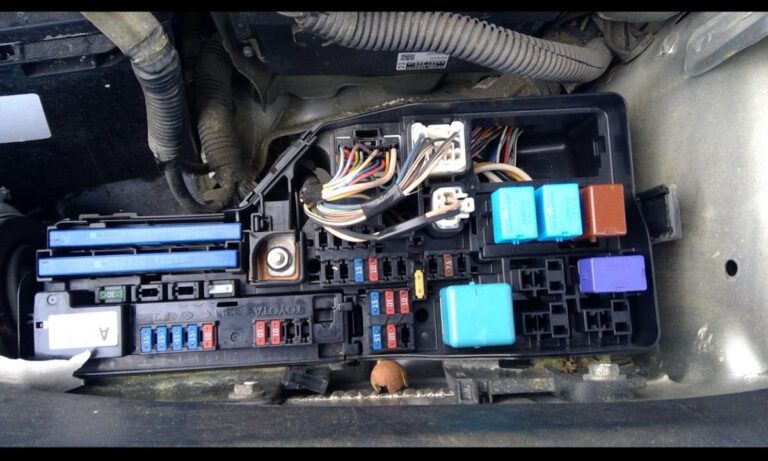
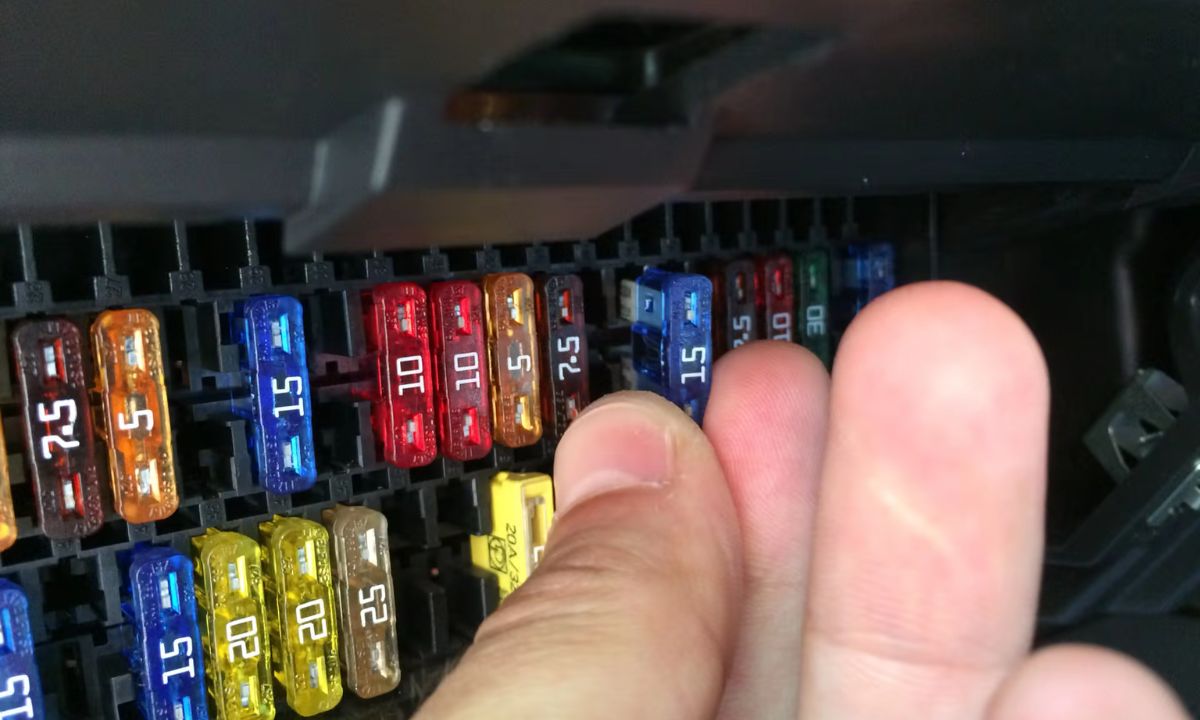
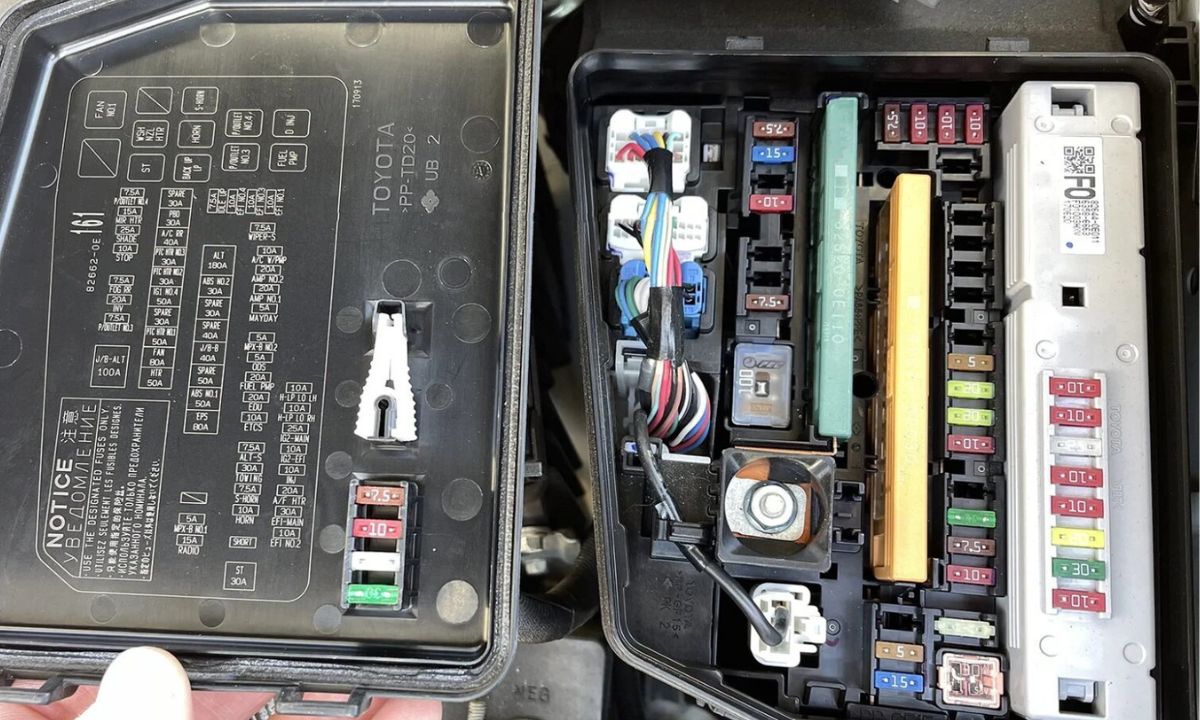
- ABS module or fuse issues — less common, but a failing ABS actuator, blown fuse, or poor electrical connection can illuminate the light.
- Recent brake work — after replacing pads, rotors, or wheel bearings, sensors or wiring may be disturbed, causing false triggers.
On newer models from 2023–2026, software glitches can also play a role, especially when combined with traction control lights.
Step-by-step diagnosis
Start with simple checks before heading to a shop:
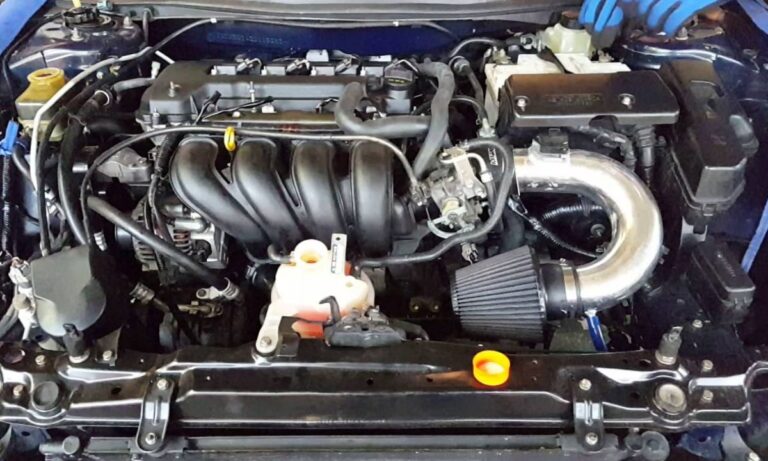
- Check the brake fluid level in the reservoir under the hood. Top it up with the correct DOT 3 or DOT 4 fluid if low and look for leaks around calipers and lines.
- Inspect all wheel speed sensor cables for visible damage, cuts, or loose connectors.
- Clean the sensors and tone rings if accessible — remove dirt and rust carefully.
- Restart the car after checking fluid and sensors — sometimes the light resets temporarily.
- Scan for diagnostic trouble codes using an OBD-II scanner that supports ABS. Common codes include C0200–C0210 series (speed sensor faults) or C1249 (stop light switch issues).
Many Toyota owners report that simply cleaning a dirty sensor or fixing a loose connector solves the problem without replacement.
How to fix the ABS light
- Replace the faulty wheel speed sensor (usually $50–150 per sensor). Front sensors are easier to access than rear ones.
- Top up brake fluid and bleed the system if air is present. Fix any leaks immediately.
- Repair or replace damaged wiring harness sections. Corrosion often requires cleaning connectors with electrical contact cleaner.
- After repair, clear codes with a scanner. On many Toyotas you can also try the manual reset method: jump pins Tc and CG in the OBD port, turn ignition on, and pump the brake pedal 8+ times quickly.
If the ABS and BRAKE lights are both on, or you hear unusual noises from the actuator, the issue may be more serious and requires professional diagnosis.
Safety note
While the car remains drivable with the ABS light on, your braking distance can increase on slippery surfaces. Avoid aggressive driving until the system is fixed. If the light appeared suddenly during a trip, find a safe place to stop and perform basic checks.
Regular maintenance — keeping brake fluid fresh, inspecting sensors during tire rotations, and addressing small issues early — prevents most ABS problems on Toyotas.
If the light persists after basic checks and code clearing, visit a Toyota dealer or trusted mechanic with proper diagnostic tools for deeper testing of the ABS module.