Toyota dashboard warning lights and symbols: What they mean and what to do
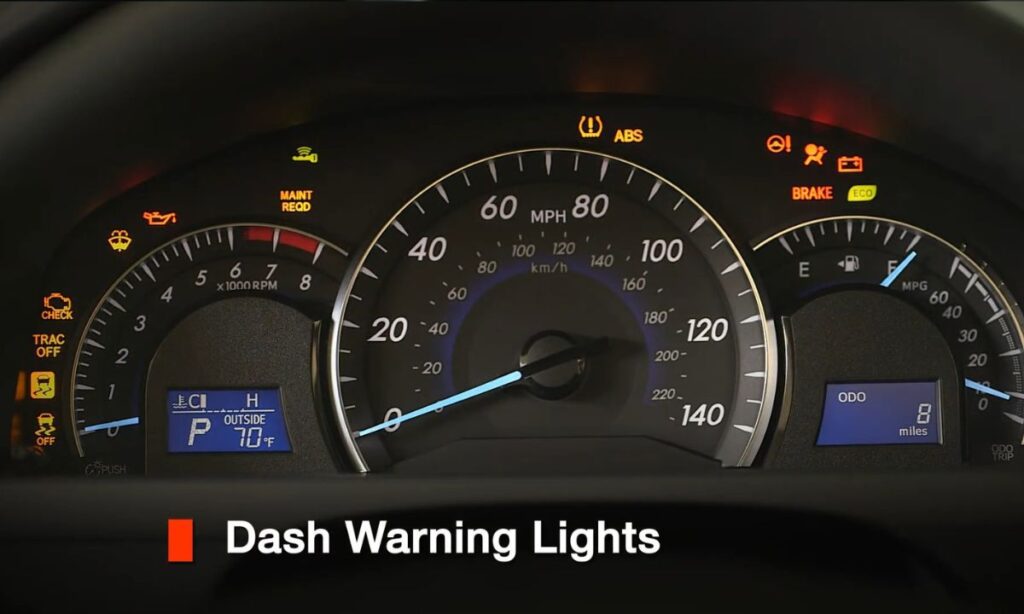
Ever glanced at your Toyota’s instrument panel and wondered what that glowing icon is trying to tell you? From the familiar check engine light to the more mysterious triangle with an exclamation point, these symbols are your vehicle’s way of communicating vital information about its health and safety systems. Toyota, known for reliability across models like the Camry, RAV4, Tacoma, Prius, and Corolla, uses a clear color-coded system: green for systems operating normally or active features, yellow/amber for caution (check soon), and red for immediate attention (potential safety risk or stop ASAP).
Drawing from official Toyota resources, owner manuals, and real-world diagnostics on thousands of vehicles, this guide breaks down the most common dashboard icons you’ll encounter in modern Toyotas (2020s models onward, including hybrids and newer gas-powered variants). Understanding them empowers you to respond appropriately—preventing minor issues from becoming major repairs while keeping you and your passengers safe.
Color Coding: The First Clue to Urgency
Toyota follows a straightforward traffic-light logic on the dash:
- Green lights/indicators → Everything is fine; a system is active (e.g., cruise control engaged, high beams on).
- Yellow/Amber lights → Something needs attention soon but isn’t an emergency yet (e.g., low tire pressure, maintenance due).
- Red lights → Serious problem; stop safely as soon as possible and address immediately (e.g., low oil pressure, brake issues).
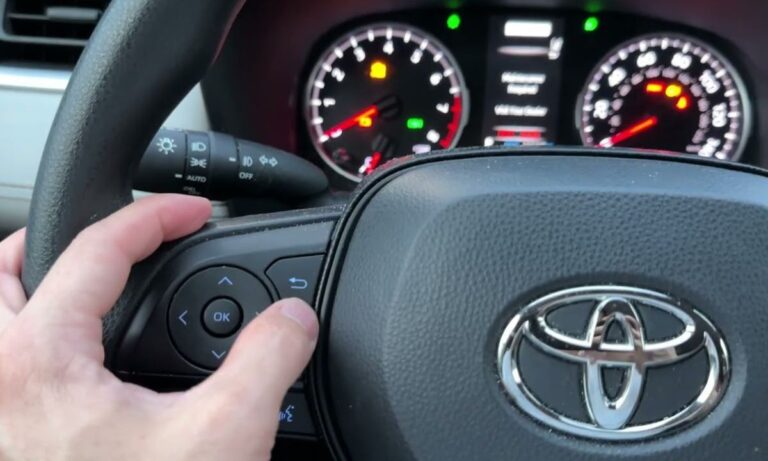
A flashing light usually means higher urgency than a steady one. Many models also pair lights with warning chimes or messages on the multi-information display (MID).
Critical Red Warning Lights – Act Immediately
These demand quick action to avoid damage, breakdowns, or safety risks.
- Brake System Warning Light (exclamation mark in a circle, often with “BRAKE” text)
Typically red. Indicates low brake fluid, parking brake engaged, or a malfunction in the hydraulic system or brake booster. If it stays on after releasing the parking brake, do not drive far—braking performance could be compromised. Check fluid level first; if low, top up and inspect for leaks. - Low Engine Oil Pressure Warning Light (oil can with a dripping drop)
Red and often accompanied by a buzzer. Signals critically low oil pressure, which can lead to engine seizure if ignored. Pull over safely, shut off the engine, and check oil level on the dipstick. Never drive until resolved—towing may be necessary. - Charging System Warning Light (battery icon)
Red battery symbol. Means the alternator isn’t charging the battery properly (faulty alternator, belt issue, or wiring problem). The vehicle may run on battery power alone for a short time—get to a safe spot and seek service quickly to avoid being stranded. - High Engine Coolant Temperature Warning (thermometer in wavy lines)
Red. Engine overheating detected. Stop immediately, let the engine cool (do not open the radiator cap while hot), and check coolant level once safe. Overheating can warp heads or crack blocks. - Master Warning Light (triangle with exclamation point)
Often red with a buzzer. A catch-all alert for serious issues not covered by other specific lights (e.g., door ajar while moving, major system fault). Accompanies a message on the MID—read it carefully. - SRS Airbag Warning Light (person with airbag in front)
Red. Malfunction in the supplemental restraint system (airbags, pretensioners, or occupant sensors). Airbags may not deploy in a crash—have it inspected immediately.
Important Yellow/Amber Caution Lights – Address Promptly
These won’t stop you right away but signal issues that can worsen.
- Check Engine Light / Malfunction Indicator Lamp (MIL) (engine outline)
Yellow/orange. The onboard computer detected an emissions, ignition, sensor, or fuel system fault (from loose gas cap to failing catalytic converter). Often no drivability change at first, but ignoring it can reduce efficiency, damage components, or fail emissions tests. Scan for codes ASAP. - ABS Warning Light (ABS letters in a circle)
Yellow. Anti-lock braking system fault. Regular brakes still work, but ABS (prevents wheel lockup on slippery surfaces) is disabled. Common causes: faulty wheel speed sensor or wiring. Safe to drive short distances but get it checked soon. - Tire Pressure Monitoring System (TPMS) Warning (tire cross-section with exclamation)
Yellow. One or more tires underinflated (or sensor issue). Check pressures cold; adjust to door-jamb specs. In hybrids/EVs, it may blink initially then stay solid. - Low Fuel Level Warning (fuel pump icon)
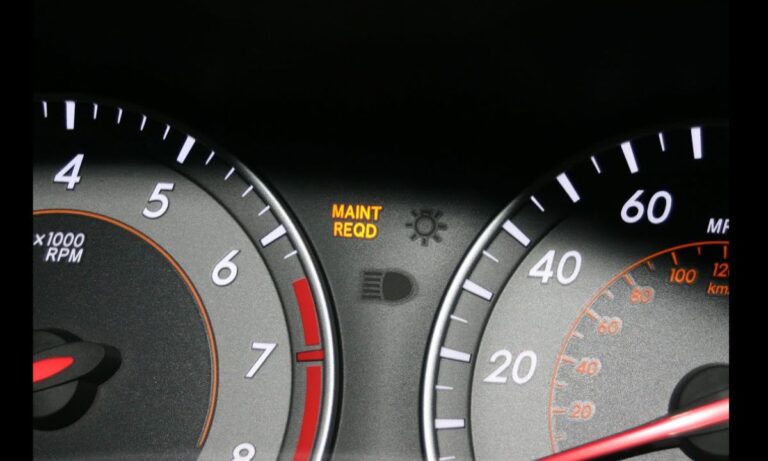
Yellow/amber. Fuel is low—refuel soon to avoid running dry (especially critical in hybrids where the engine may not restart easily). - Maintenance Required Reminder (wrench or “MAINT REQ’D”)
Yellow. Service interval reached based on mileage/time. Usually oil change or general maintenance reminder—reset after service. - Electric Power Steering (EPS) Warning (steering wheel with exclamation)
Red or yellow. Power steering assist issue. Steering becomes heavier—possible motor, sensor, or module fault.
Common Green/Status Indicators – No Worry, Just Info
- Turn Signal Indicators (left/right arrows) → Active turn signals or hazard lights.
- High Beam Indicator (blue headlight icon) → High beams on.
- Cruise Control / DRCC Indicator (speedometer with arrow or adaptive cruise icons) → Cruise active; green/white for Toyota Safety Sense systems like Lane Tracing Assist (LTA) or Pre-Collision System.
- Eco Mode / EV Mode Indicator (leaf, EV, or hybrid icons) → Fuel-saving or electric-only mode engaged (hybrids/Prius/bZ4X).
- Seat Belt Reminder (person with belt) → Front occupants unbuckled—buckle up.
Hybrid-Specific Icons (Prius, RAV4 Hybrid, etc.)
- READY Indicator (green “READY”) → Vehicle is on and ready to drive (no engine cranking sound).
- EV Indicator → Pure electric driving mode active.
- Hybrid System Overheat Warning → Hybrid battery or components too hot—reduce load.
What to Do When a Light Appears
- Safely pull over if red and critical (oil pressure, brakes, overheating).
- Read the MID/message for details—many modern Toyotas display text explanations.
- Perform basic checks (fluids, tire pressure, gas cap secure, belts buckled).
- Scan for codes using an OBD-II tool (many auto parts stores do this free).
- Don’t ignore yellow lights—small problems escalate.
- Consult your owner’s manual for model-specific icons (download from Toyota’s site if needed).
- Visit a Toyota service center for accurate diagnosis—especially for safety systems like ABS, SRS, or Toyota Safety Sense.
Your Toyota’s dashboard is designed to keep you informed, not alarmed. By knowing these symbols, you stay one step ahead of potential issues, maintain peak reliability, and enjoy the legendary dependability Toyota owners count on mile after mile. Drive aware, service proactively, and those lights will mostly stay off—except when reminding you everything is running smoothly.