Rivian bets big on R2 crossover to rebound from $3.6 billion net loss in 2025

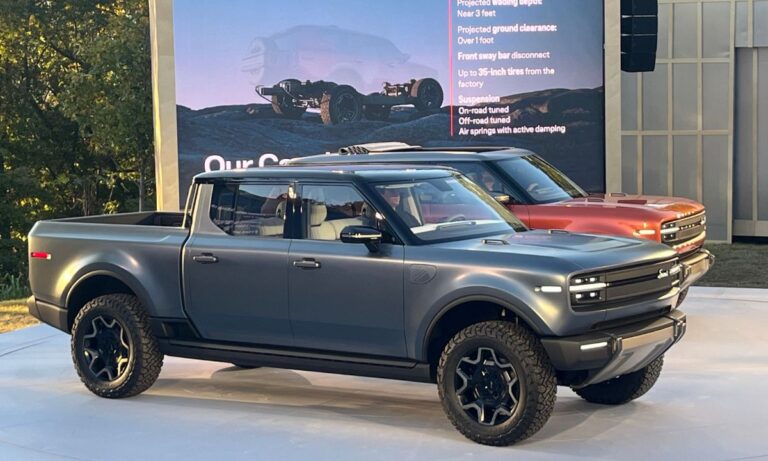
IRVINE, Calif. – As Rivian Automotive navigates the turbulent waters of the electric vehicle market, the company is pinning its hopes on the upcoming R2 midsize crossover to drive recovery following a $3.6 billion net loss in 2025. The EV startup, known for its rugged R1T pickup and R1S SUV, reported improved gross profits last year but continues to grapple with scaling production and intense competition from established players like Tesla and Ford.
Financial Highlights and Challenges
In its fourth-quarter and full-year earnings report released earlier this month, Rivian disclosed a net loss of $3.6 billion for 2025, a narrowing from the $4.7 billion deficit in 2024. Consolidated revenue climbed 8% to $5.38 billion, driven by increased vehicle deliveries and regulatory credits. A standout highlight was the shift to positive gross profit: $144 million in 2025, reversing a $1.2 billion gross loss the previous year. This improvement stems from cost-cutting measures, including a 35% reduction in material costs for its commercial vans and similar efficiencies for consumer vehicles.
However, the fourth quarter painted a mixed picture. Q4 revenue dipped to $1.286 billion from $1.734 billion in the same period of 2024, reflecting a pull-forward of demand due to expiring EV tax credits earlier in the year. The quarterly net loss widened slightly to $804 million from $743 million. Despite these challenges, Rivian delivered 42,247 vehicles in 2025, maintaining its focus on premium models while preparing for broader market appeal.
Strategic Pivot and Leadership Insights
CEO RJ Scaringe emphasized the company’s strategic pivot during the earnings call: “2025 was a year of foundational progress, setting the stage for our next growth phase with the R2. We’re optimizing our operations and leveraging partnerships to achieve profitability.” Rivian’s cash burn remains a concern, with negative free cash flow of $2.5 billion, but the firm ended the year with substantial liquidity, bolstered by investments from Volkswagen Group.
The R2: Key to Recovery
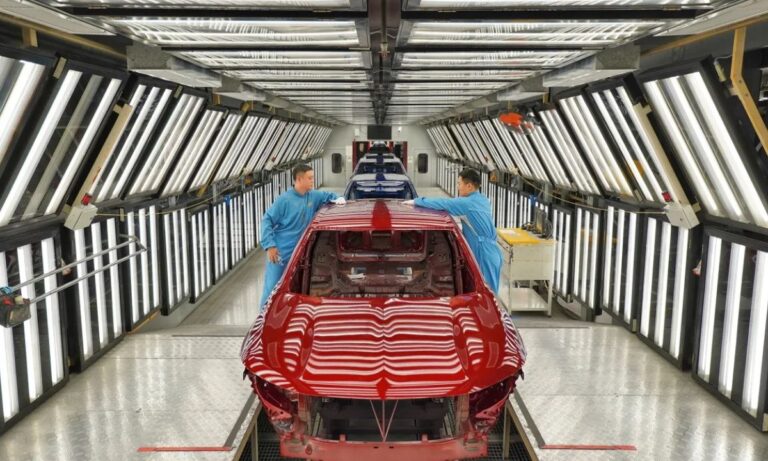
The R2, a more affordable midsize SUV starting around $45,000, is central to Rivian’s turnaround strategy. Production is slated to begin in the first half of 2026 at the company’s Normal, Illinois plant, with initial deliveries expected in Q2. Analysts project 20,000 to 25,000 units in the first year, ramping up to higher volumes as manufacturing efficiencies improve. The R2 targets a mass-market segment, offering a 300-mile range, advanced autonomy features, and versatile design to attract families and urban drivers disillusioned with pricier EVs.
Industry Context and Partnerships
This launch comes amid broader industry headwinds, including softening EV demand in the U.S. and increased tariffs on imported components. Rivian’s partnership with Volkswagen, which includes a $1 billion investment and a joint venture for software and autonomy, is expected to yield cost savings and technological synergies. Additionally, the company’s exclusive deal with Amazon for electric delivery vans continues to provide a steady revenue stream, with over 10,000 units deployed by year-end 2025.
Market Reaction and Future Outlook
Wall Street’s reaction has been cautious. Rivian shares (RIVN) fell 15% year-to-date in 2026, trading at a market cap of around $20.5 billion. Analysts like those at Benchmark anticipate “modest full-year gross profit” in 2026, with delivery targets around 64,000 units. However, skeptics point to execution risks, supply chain vulnerabilities, and the need for additional financing, including potential debt or equity raises.
Looking ahead, Rivian aims for adjusted EBITDA losses between $1.7 billion and $2.1 billion in 2026, with the R2’s success hinging on smooth production ramps and consumer adoption. As Scaringe noted, “The R2 isn’t just a vehicle; it’s our pathway to scale and sustainability.” With the EV landscape evolving rapidly, Rivian’s gamble on the R2 could either solidify its position or exacerbate its financial strains. Investors and industry watchers will be closely monitoring the rollout in the coming months.