Ford Coyote 5.0L V8 Engine: Complete guide to generations, specs, reliability, and tuning
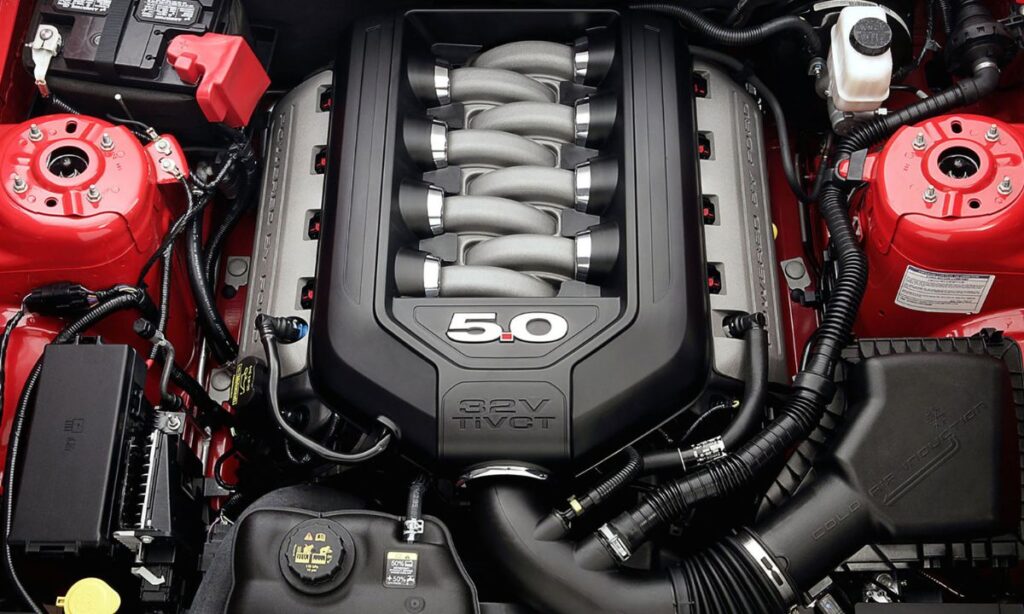
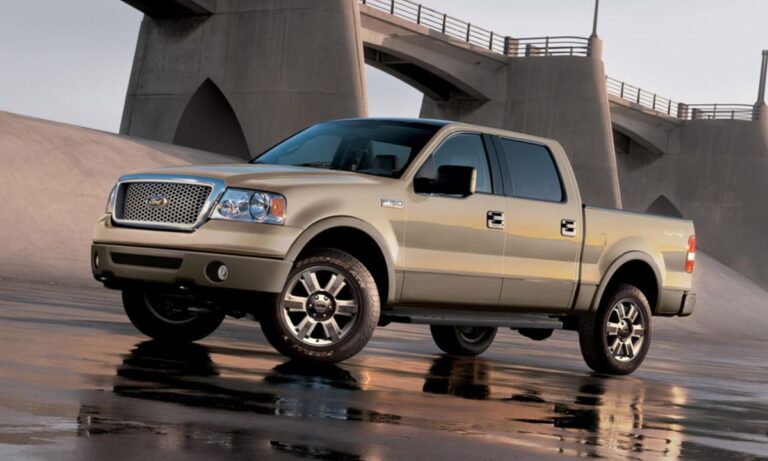
The Ford Coyote 5.0L V8 is one of the most successful modern American V8 engines, reviving the legendary “5.0” badge in 2011 as a clean-sheet DOHC design. Replacing the aging Modular 4.6L/5.4L V8s, it powers the Mustang GT, F-150, and various special editions. With aluminum block/heads, forged crankshaft, Ti-VCT (Twin Independent Variable Cam Timing), and high-revving character (up to 7,500+ rpm redline in later gens), it’s praised for linear power, great sound, and massive aftermarket support. As of 2026, it’s still in production in its fourth generation.
Key specifications overview
- Displacement: 4,951 cc (302 ci)
- Bore x Stroke: 92.7 mm x 92.2 mm
- Block/Heads: Aluminum
- Valvetrain: DOHC, 4 valves per cylinder, Ti-VCT
- Fuel System: Port injection (Gen 1-2), Port + Direct (Gen 3+)
- Compression Ratio: 10.5:1 to 12.0:1 (increasing over gens)
- Redline: 7,000 rpm (Gen 1-2) → 7,500+ rpm (Gen 3+)
Generations and power output
The Coyote evolved through four main generations, with separate tunes for Mustang (higher-revving) and F-150 (torque-focused).
- Gen 1 (2011–2014 Mustang GT / 2011–2014 F-150):
- Mustang: 412–420 hp @ 6,500 rpm / 390 lb-ft @ 4,250 rpm
- F-150: 360 hp / 380 lb-ft
- Features: Port injection, iron cylinder liners, composite intake.
- Gen 2 (2015–2017 Mustang GT / 2015–2017 F-150):
- Mustang: 435 hp @ 6,500 rpm / 400 lb-ft @ 4,250 rpm
- F-150: 385 hp / 387 lb-ft
- Upgrades: Larger valves, revised heads/cams, better airflow.
- Gen 3 (2018–2023 Mustang GT / 2018–2023 F-150):
- Mustang: 460–486 hp @ 7,000 rpm / 420 lb-ft @ 4,600 rpm (higher in Bullitt/Mach 1)
- F-150: 395–400 hp / 400–410 lb-ft
- Major changes: Dual port/direct injection, higher compression (12:1), plasma-sprayed cylinder walls (no iron liners), 10-quart oil capacity.
- Gen 4 (2024–present Mustang GT / 2024–present F-150):
- Mustang: 480–500 hp @ 7,150 rpm / 415–418 lb-ft @ 4,900 rpm (Dark Horse variants higher)
- F-150: ~400 hp / 410 lb-ft
- Refinements: 4-into-1 exhaust manifolds, updated heads/oil pan, dual throttle bodies in some configs.
Special variants (Boss 302, GT350 Voodoo, supercharged Predator) push beyond 500 hp, but the base Coyote remains naturally aspirated.
Reliability and common problems
The Coyote is generally durable and reliable, often exceeding 200,000–300,000 miles with proper care. Gen 1–2 are considered the toughest (simpler tech, iron liners). Later gens add complexity but improve efficiency.
Common issues:
- Oil consumption — Mostly Gen 1–2 and early Gen 3 (2018–2020 F-150s). Caused by piston ring design/PCV pull-down during deceleration. Consumption: 1 qt per 1,000–3,000 miles in affected units. Fixes: Frequent oil changes (5,000 miles), quality synthetic 5W-20/5W-30, catch can, or piston/ring upgrades.
- Cam phaser / timing chain noise — Rattling on cold start (Gen 3+ more prone at high mileage). Often from dirty oil or stretched chain. Fix: Regular synthetic oil changes, phaser replacement (~$1,500–$3,000).
- Non-rebuildable block — Gen 3+ plasma-sprayed walls can’t be bored/honed easily → engine replacement if scored.
- Other minor — Valve cover leaks, throttle body issues, occasional phaser lockout under extreme boost.
Overall: Very reliable for daily driving/towing. Supercharged setups (Whipple, Roush) hold 700–1,000+ hp reliably with supporting mods and tuning.
Tuning and aftermarket potential
The Coyote is a tuner favorite due to strong internals (forged crank, good heads).
- Bolt-ons (intake, exhaust, tune): +50–80 hp easily.
- Supercharger (Whipple, Kenne Bell): 600–800+ hp common.
- Turbo/Nitrous: 1,000+ hp possible on stock block (with upgrades).
- Swaps: Popular in Fox-body Mustangs, classics, trucks (Velocity Restorations, etc.). Gen 4X crate engine simplifies swaps.
Bottom line
The Coyote 5.0L V8 remains one of America’s last great naturally aspirated mass-market engines—throaty, rev-happy, tunable, and reliable. Gen 1–2 offer simplicity and toughness; Gen 3–4 bring modern power/efficiency. With synthetic oil changes every 5,000–7,500 miles and monitoring consumption, it delivers decades of fun. If you’re shopping a Mustang GT or F-150, the Coyote is often the sweet spot between performance and everyday usability.