Complete overview of all Ford F-150 generations: from the first to the latest
The Ford F-150 has long been a symbol of reliability and power in the world of full-size pickup trucks. This legendary model perfectly combines hardworking capabilities with everyday comfort, continuously evolving to meet the demands of drivers across the globe. In this detailed review, we examine every generation of the F-150 separately — from the early roots of the F-Series to the most modern version, highlighting the key design features, construction changes, and unique capabilities of each era.
First Generation Ford F-Series (1948–1952)
Pickups from this period laid the foundation for the entire F-Series lineup. The construction stood out for its simplicity and exceptional durability, focused primarily on daily work tasks.
- The body was known as Bonus-Built and came in various configurations from light-duty to heavy-duty models.
- Engines included inline-six units and the first V8 options, delivering solid torque for hauling cargo.
- Suspension and frame were built tough to handle intensive use in all kinds of conditions.
The model quickly earned popularity thanks to its excellent balance of functionality and affordability.
Second Generation Ford F-Series (1953–1956)
This generation introduced the iconic F-100 designation that became the hallmark of the series. The design turned more modern, with noticeably improved cabin ergonomics.
- In 1956 the Styleside body debuted, featuring a full-width cargo bed.
- Engine power grew, and versions with higher payload capacity became available.
- Interior finishing was upgraded, making the pickup more comfortable for longer drives.
This era marked a clear shift from purely utilitarian vehicles toward more versatile automobiles.
Third Generation Ford F-Series (1957–1960)
The exterior gained a more expressive look with a fresh grille and hood design. The cabin featured distinctive angular styling.
- Factory four-wheel drive became an available option starting in 1959.
- Engines continued to evolve, offering more choices for different working needs.
- Visibility and handling comfort were significantly improved.
Pickups of this time were widely used both for farm work and personal transportation.
Fourth Generation Ford F-Series (1961–1966)
The design moved closer to modern standards with smoother, cleaner lines. The famous Twin I-Beam suspension became a signature element.
- Cabin and cargo bed dimensions increased for better practicality.
- Additional trim levels appeared with greater emphasis on driver comfort.
- Engines delivered higher power output while keeping their legendary reliability.
The model further strengthened its reputation as a tough and practical pickup truck.
Fifth and Sixth Generations Ford F-Series (1967–1979)
These generations brought noticeable increases in size and major interior improvements. The Ranger trim level joined the lineup.
- The cabin became roomier with better sound insulation.
- Powerful V8 engines were offered, ideal for heavy loads and towing.
- The F-150 version officially appeared in 1975 and gradually became the main model.
Pickups started to develop a stronger family appeal without losing their core working abilities.
Seventh and Eighth Generations Ford F-Series (1980–1991)
The iconic square body style defined the look for many years. The design was clean, strict, and instantly recognizable.
- The F-150 fully replaced the F-100 and became the primary model in the lineup.
- Fuel-injected engines were introduced, improving both efficiency and reliability.
- Aerodynamics and cabin equipment saw steady improvements.
This period turned the F-150 into a true bestseller thanks to its perfect mix of style and practicality.
Ninth Generation Ford F-Series (1992–1996)
The updated design kept the square character but added more modern touches. The cabin grew in size and comfort.
- Passenger space improved, especially in extended-cab configurations.
- Engines received electronic controls for smoother and more efficient performance.
- Suspension and braking systems were upgraded to match increasing demands.
The model continued its strong market dominance with its proven and dependable construction.
More about Ninth Generation Ford F-Series
Tenth Generation Ford F-Series (1997–2003)
This generation represented a major leap forward in both design and technology. The F-150 was completely redesigned.
- The body became more aerodynamic and streamlined.
- Advanced safety features and comfort systems were introduced.
- Modular V8 engines provided strong power with relatively modest fuel consumption.
The pickup became significantly more attractive for daily driving and family use.
More about Tenth Generation Ford F-Series
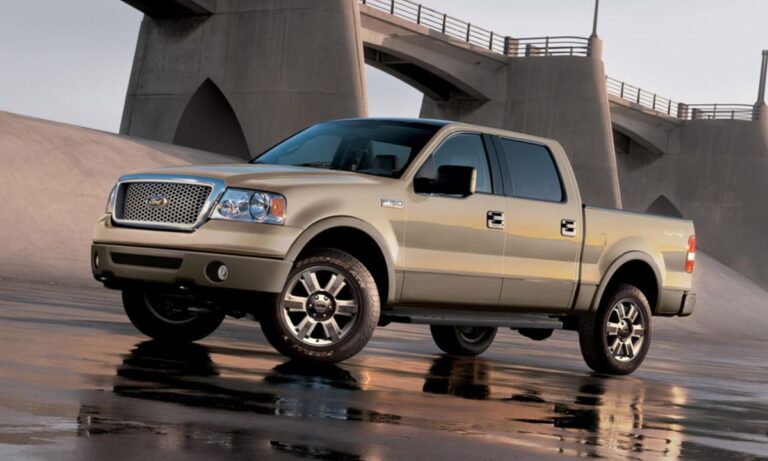
Eleventh Generation Ford F-Series (2004–2008)
Bold styling arrived with a high hood and striking front grille. Overall dimensions grew noticeably.
- The SuperCrew cab offered generous space for the whole family.
- Payload capacity and towing ability were further enhanced.
- New multimedia systems and driver assistance features appeared.
This era represented an important step toward more technological and versatile pickups.
More about Eleventh Generation Ford F-Series
Twelfth Generation Ford F-Series (2009–2014)
The exterior moved closer to the heavy-duty trucks with a powerful front design. The platform became even more robust.
- Turbocharged EcoBoost engines debuted, delivering an excellent combination of power and fuel efficiency.
- The interior received modern materials and improved ergonomics.
- The Raptor version introduced serious off-road performance.
This generation placed strong emphasis on engine innovation and overall capability.
More about Twelfth Generation Ford F-Series
Thirteenth Generation Ford F-Series (2015–2020)
A true revolution in construction arrived with aluminum body panels mounted on a steel frame, dramatically reducing weight.
- Weight savings reached approximately 340 kg, improving both driving dynamics and fuel economy.
- The cabin moved into premium territory with extensive technology options.
- The Raptor continued to lead in off-road performance thanks to its powerful turbocharged engine.
The model raised standards for comfort and efficiency while maintaining legendary durability.
More about Thirteenth Generation Ford F-Series
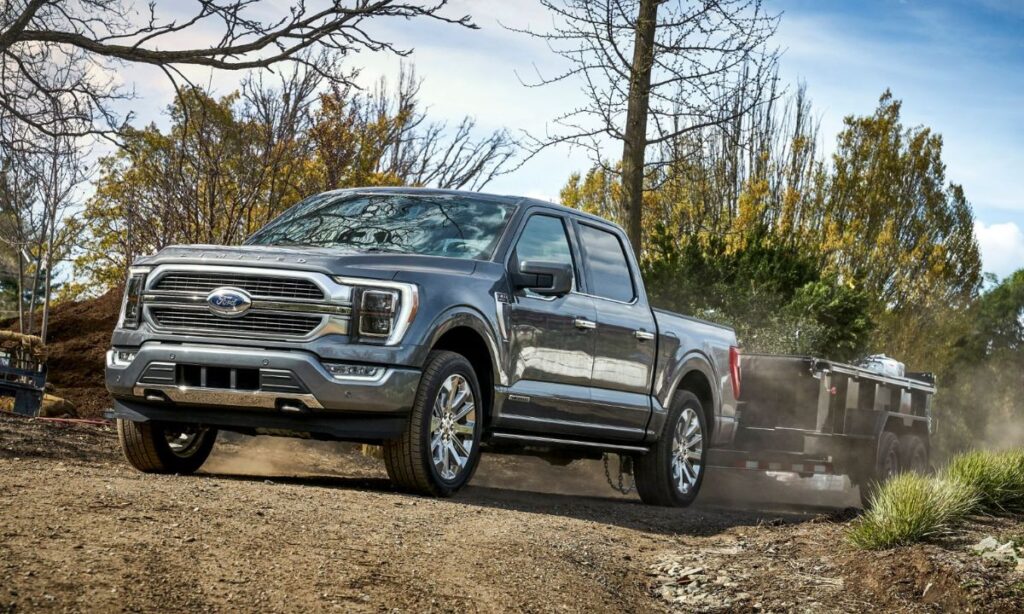
Fourteenth Generation Ford F-150 (2021–present)
The current generation builds on previous strengths while introducing hybrid and electric technologies. The design keeps the classic recognizable F-150 look with fresh modern details.
- Powertrain choices include EcoBoost V6, a naturally aspirated V8, and the efficient PowerBoost hybrid system.
- The cabin features large displays, a fully digital instrument cluster, and advanced driver assistance systems.
- The Lightning offers a fully electric version with impressive power and driving range.
- Raptor and Tremor variants expand off-road capabilities for the most demanding conditions.
More about Fourteenth Generation Ford F-150
The Ford F-150 continues to lead the segment thanks to its successful blend of innovation, reliability, and versatility.
Throughout its long history, the Ford F-150 has evolved from simple work trucks into highly advanced vehicles, always staying true to its core values of strength, power, and practicality. Each generation has added its own chapter to the legend, helping the F-150 earn the trust of millions of drivers around the world.