Chevrolet Camaro: Full overview by generation – specs, key moments, pros and cons
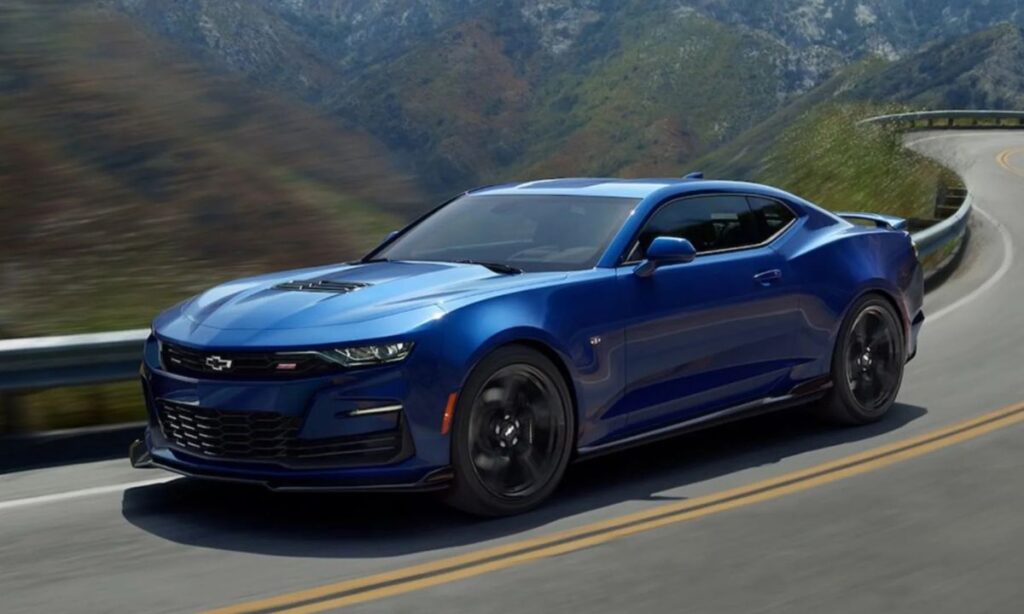
The Chevrolet Camaro has been one of America’s most iconic muscle cars since 1967, competing directly with the Ford Mustang and Dodge Challenger. Over six generations, it evolved from a raw pony car to a refined performance machine, then back to a modern muscle icon. Each generation brought unique character, engineering highlights, and trade-offs.
1st Generation (1967–1969)
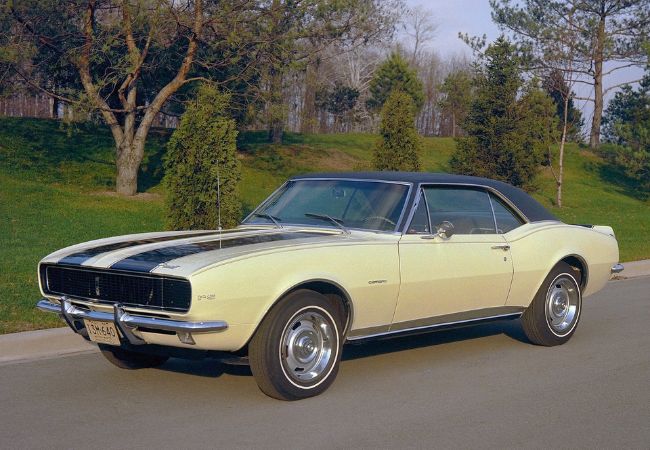
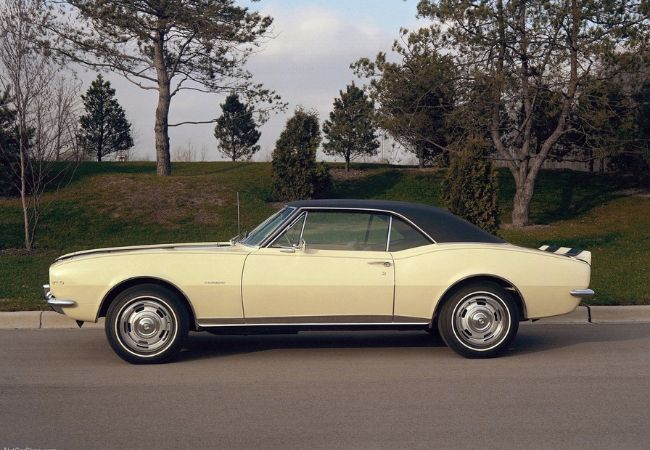
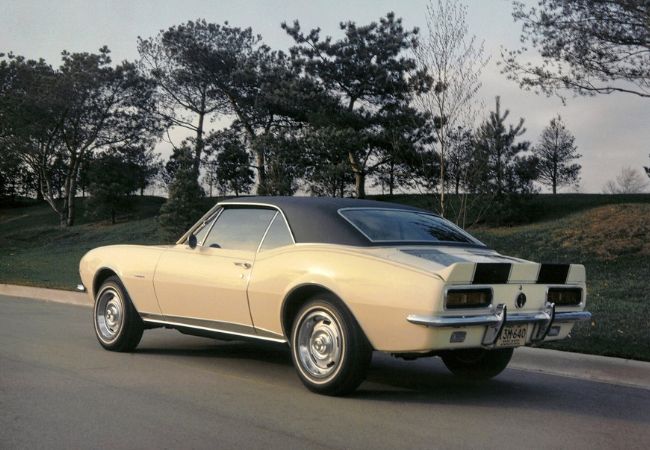
The original Camaro launched as a direct Mustang rival. It offered coupe and convertible bodies with inline-six or V8 engines.
Key specs (1969 peak):
- Engines: 230–250 cu in inline-6 (140 hp), small-block V8 (283–396 cu in, up to 375 hp ZL1 427), big-block options.
- Transmissions: 3/4-speed manual, 3-speed automatic.
- Weight: ~3,200–3,600 lb.
Important moments: Z/28 package (1967) for SCCA Trans-Am racing, COPO 427 big-block (1969), RS/SS combos.
Pros: Pure analog driving feel, timeless styling, huge aftermarket support.
Cons: Heavy, poor handling by modern standards, rust magnet, basic interior.
2nd Generation (1970–1981)
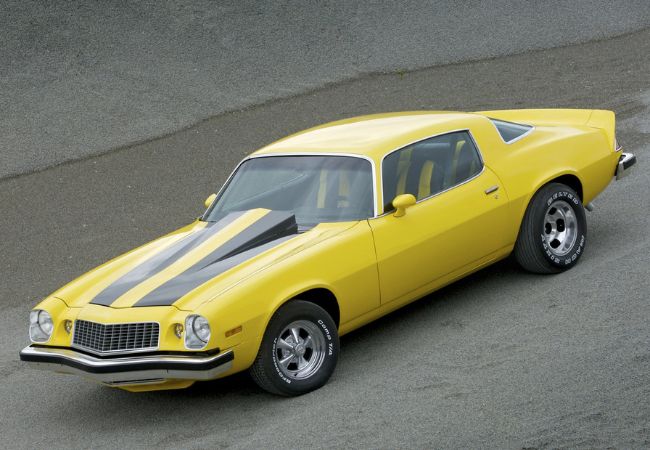
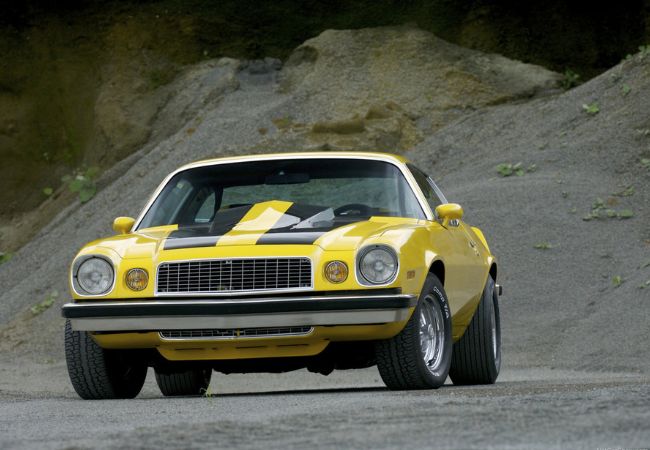
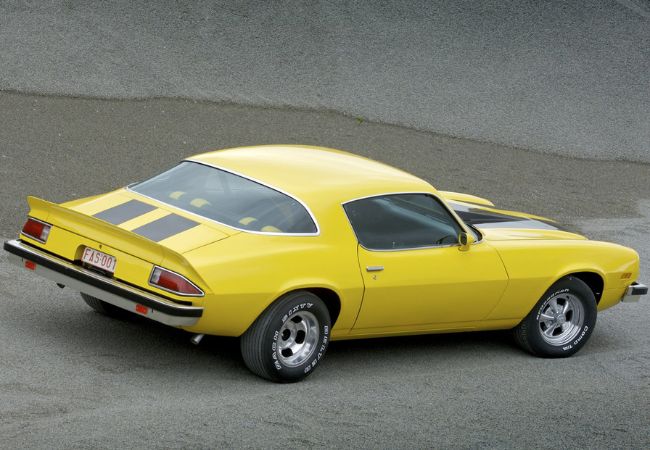
Longer, wider, and more luxurious. Peak performance early, then emissions and fuel crisis hit hard.
Key specs (1970 peak):
- Engines: 250 cu in inline-6, small-block V8 (307–350 cu in, up to 360 hp), big-block 396/402/454 (up to 450 hp LS6/LS7).
- Later years: 305 V8 (130–165 hp), 350 V8 (165–190 hp).
- Transmissions: 3/4-speed manual, 3-speed automatic.
Important moments: 1970–1972 big-block era, Z/28 and LT packages, 1977–1981 restyle with “Z28” graphics revival.
Pros: Aggressive looks, powerful early V8s, convertible option.
Cons: Heavy weight, poor fuel economy, emissions choked later models, quality issues in 1970s.
3rd Generation (1982–1992)
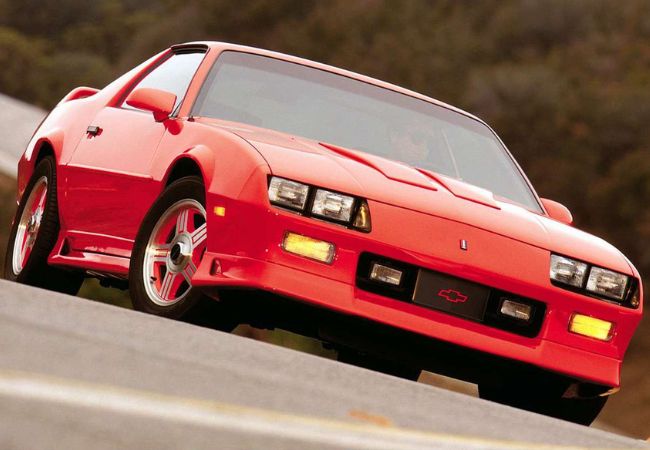
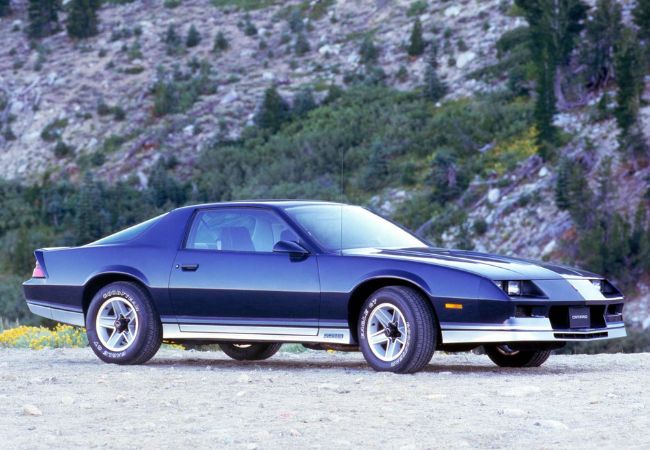
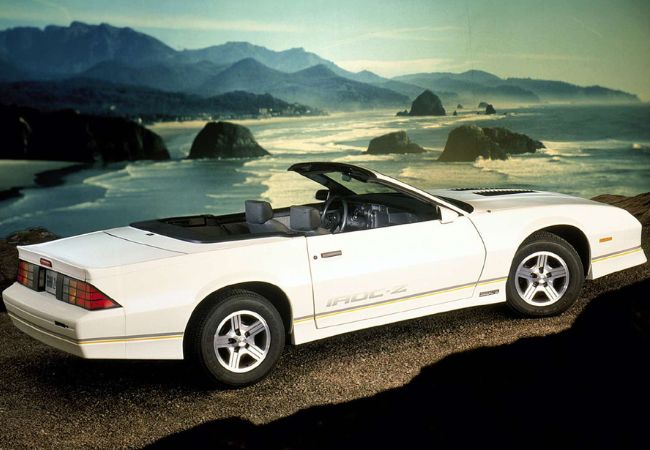
Radical shift to F-body platform with hatchback coupe and convertible. Computerized and lighter.
Key specs (peak 1992):
- Engines: 2.5L inline-4 (90–105 hp), 2.8L/3.1L V6 (112–140 hp), 5.0L/5.7L V8 (TPI 215–245 hp, 1992 LT1 275 hp).
- Transmissions: 4/5-speed manual, 3/4-speed automatic.
Important moments: 1985 IROC-Z, 1987 350 TPI, 1990–1992 B4C police package, 1992 25th Anniversary.
Pros: Improved handling, hatchback practicality, strong aftermarket.
Cons: Plastic-heavy interior, rust-prone rockers, early engines underpowered.
4th Generation (1993–2002)
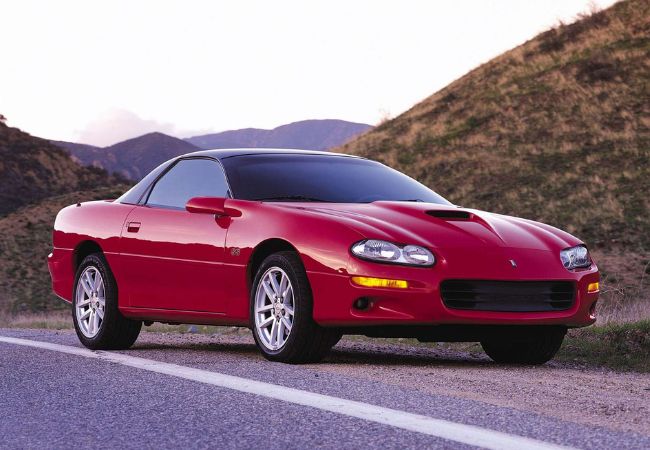
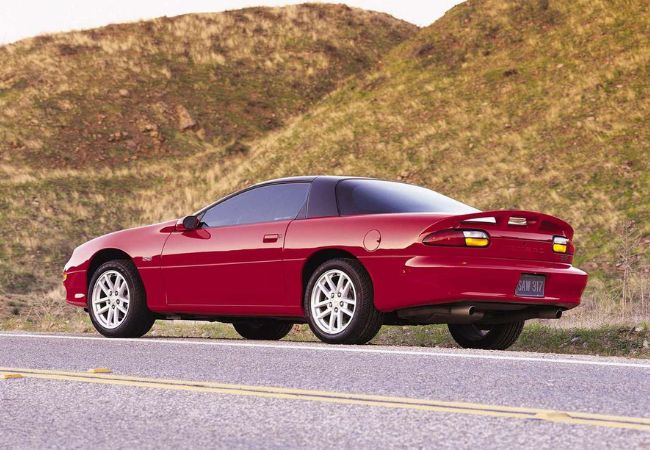
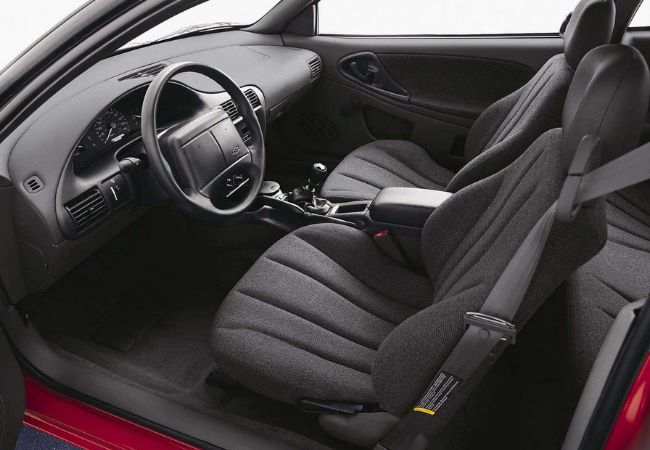
Modernized F-body with better suspension, LS1 V8 debut, and convertible return.
Key specs (peak 2002):
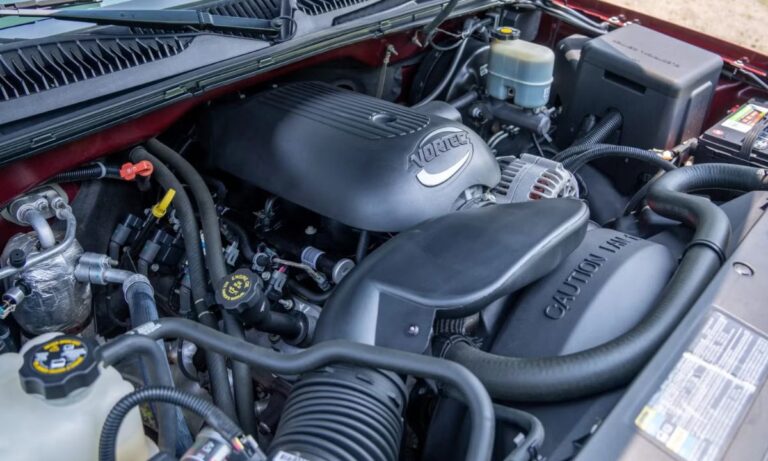
- Engines: 3.4L/3.8L V6 (160–200 hp), 5.7L LT1 (275 hp 1993–1997), LS1 (305–345 hp 1998–2002).
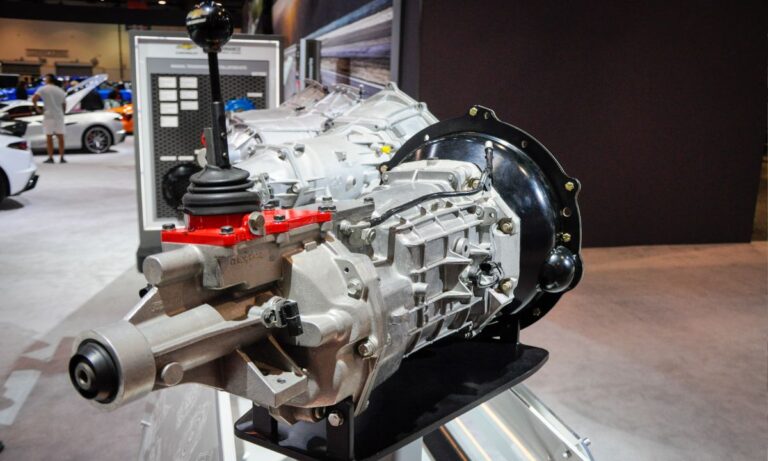
- Transmissions: 5/6-speed manual (T56), 4-speed automatic.
Important moments: 1993 LT1 introduction, 1997 SS with LS1, 2002 35th Anniversary, SLP Firehawk/SS.
Pros: Excellent power-to-weight, superb manual transmission, strong community.
Cons: Dated interior, poor visibility, rust on rockers/quarters, heavy compared to imports.
5th Generation (2010–2015)
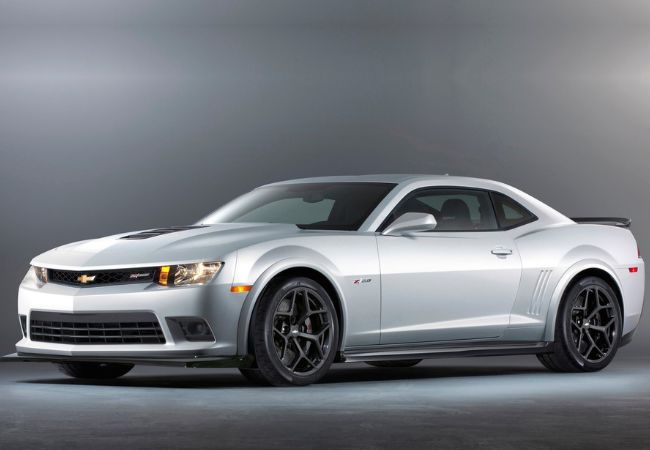
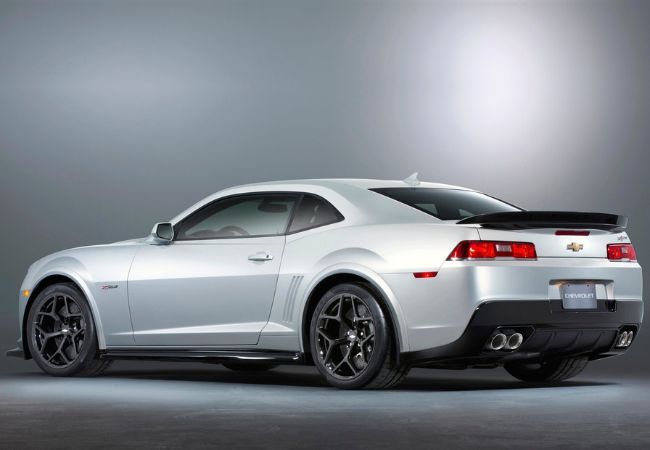
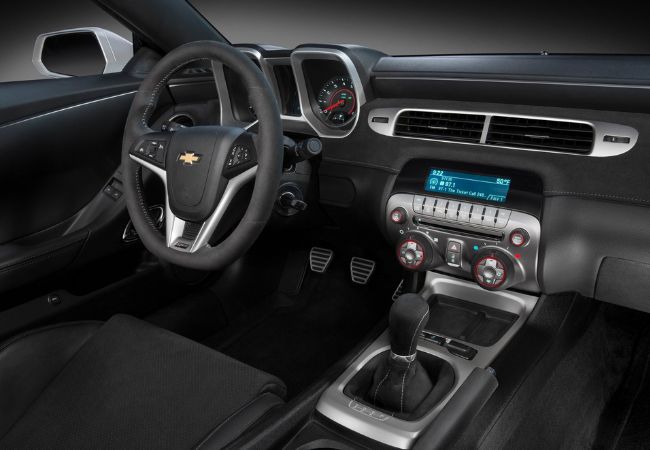
Revival after 8-year hiatus. All-new platform, sharp styling, and performance focus.
Key specs (peak 2015):
- Engines: 3.6L V6 (304–323 hp), 6.2L LS3/L99 V8 (426–432 hp SS), supercharged 6.2L LSA (580 hp ZL1).
- Transmissions: 6-speed manual/automatic.
Important moments: 2010 return, 2012 ZL1, 2014 1LE package, 2015 50th Anniversary.
Pros: Sharp handling, powerful V8, modern interior, good visibility.
Cons: Heavy (3,800–4,200 lb), firm ride, some early electrical gremlins.
6th Generation (2016–Present)
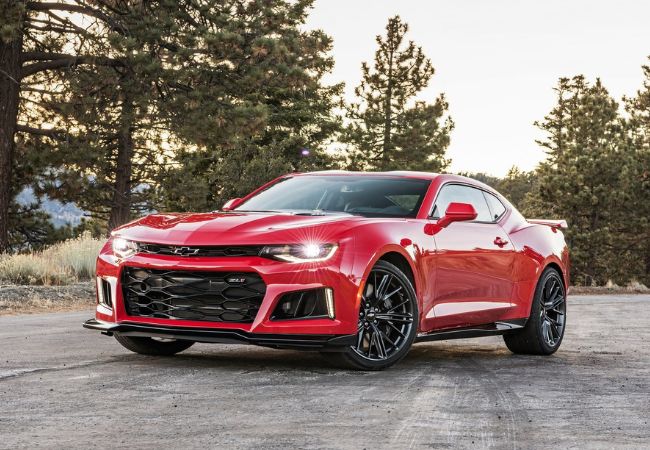
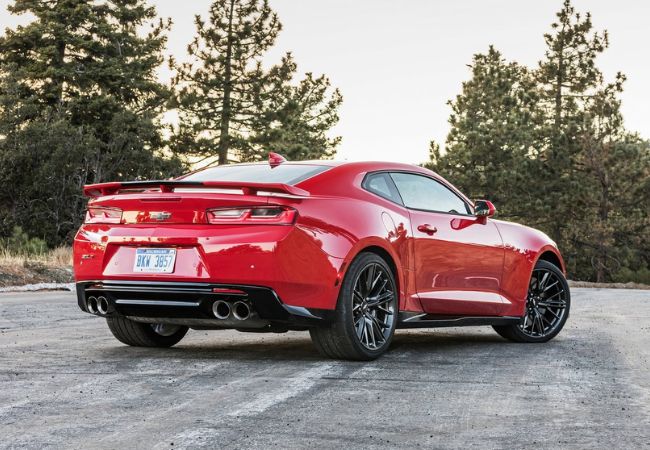
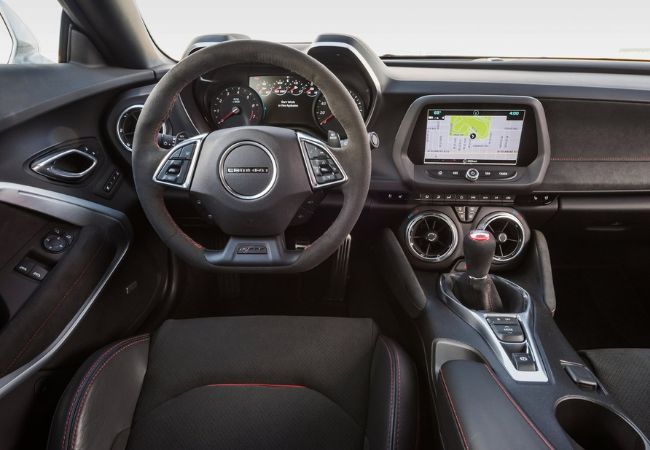
Alpha platform (shared with Cadillac ATS/CTS), lighter, sharper, and more refined.
Key specs (2023–2024 peak):
- Engines: 2.0L turbo-4 (275 hp), 3.6L V6 (335 hp), 6.2L LT1 V8 (455 hp SS), supercharged 6.2L LT4 (650 hp ZL1), 6.2L LT2 V8 (495 hp ZL1 1LE).
- Transmissions: 6/10-speed automatic, 6/10-speed manual.
Important moments: 2016 debut, 2017 ZL1, 2018 1LE extreme track package, 2023 50th Anniversary, 2024 final year with collector editions.
Pros: Best handling Camaro ever, excellent manual transmission, strong powertrain lineup, modern tech.
Cons: Poor rear visibility, small trunk, polarizing interior layout, heavy for a sports car.
The Camaro has always been about raw American muscle with evolving refinement. Early generations excel in classic style and simplicity, while later ones offer modern performance and technology. The 6th generation is widely regarded as the best-driving Camaro ever made, even if it sacrificed some practicality. With production ending in 2024, the Camaro remains a collector’s favorite and a strong used-market buy for enthusiasts who want V8 power and rear-wheel-drive fun.