Ford Check Engine light: common causes and what to do
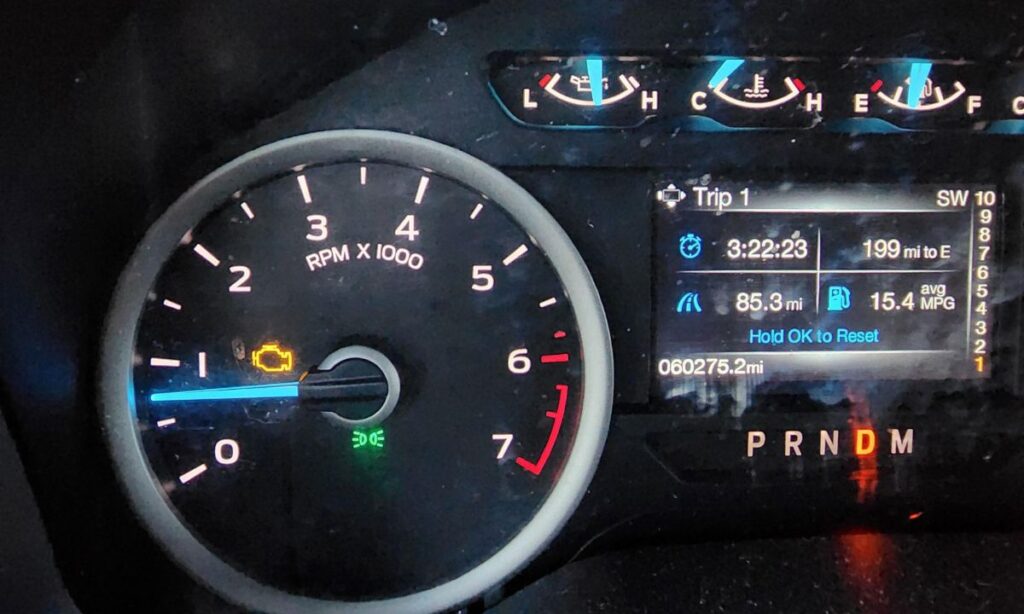
The check engine light, or CEL, can cause worry for Ford owners. It appears on the dashboard during drives. This happens in models like the F-150, Escape, or Mustang. The amber light signals an issue. Your vehicle’s OBD-II system detects problems. These affect engine performance, emissions, or components. The light started in the 1990s. It met stricter standards. It’s not just annoying. It alerts you to issues. This prevents small problems from growing big. Ford vehicles have advanced systems. They focus on efficiency and power. Ignoring the light tempts some. But it risks poor fuel use. It can cause failed tests or damage. We will cover common triggers. We explain why they occur. We give steps to fix them. This draws from diagnostics and owner stories. It helps keep your Ford smooth.
Decoding the check engine light in Ford models
Ford’s check engine light links to sensors and computers. They watch fuel mix and exhaust. A steady light means a minor issue. Like a sensor fault. A flashing light shows serious trouble. Such as a misfire. This could damage the converter. Fords need precise tuning. They use EcoBoost or V8 engines. The light connects to DTCs. These store in the ECM. Use a scanner to read them. Codes start with “P”. For example, P0420 means converter issues. This applies to Focus or Explorer models. Know the system. Act fast. Save time. Avoid breakdowns on roads.
Frequent causes behind the Ford check engine light
Ford shares common engine problems. But some arise from design. Like modular engines or controls. We base this on bulletins, forums, and mechanics. Here are top triggers. We explain each to aid diagnosis.
Basic fuel system faults
- Loose or damaged gas cap: This common fault activates the CEL often. The cap seals fuel vapors. It keeps EVAP pressure. If loose after filling, or gasket worn, pressure drops. ECM spots it. Codes like P0442 or P0455 appear. Older Fords face this in bad weather.
- Clogged fuel injectors: Deposits from poor fuel build up. They restrict flow. This disrupts delivery. It causes lean mixes or misfires. Symptoms show poor starts. Power drops. Common in older sedans.
Sensor-related issues
- Faulty oxygen sensors: O2 sensors sit in exhaust. They measure oxygen. This tunes air-fuel ratio. Failing ones cause rich or lean mixes. Fuel economy drops. Idle roughens. Emissions rise. In F-150 trucks, heat and dirt wear them. Codes: P0131 or P0151. They last 60,000-100,000 miles. Traffic shortens life.
- Malfunctioning mass airflow sensor (MAF): MAF measures air intake. It adjusts injection. Dirt or oil from filters skews data. Hesitation or stalling follows. EcoBoost Fords see this. Codes like P0101. Turbo feels slow.
Ignition and combustion problems
- Worn spark plugs or ignition coils: Plugs ignite fuel mix. They wear out. Misfires trigger ECM alerts. Coil-on-plug in Fords fails per cylinder. Vibrations or loss occur. P0300 codes common in high miles. Towing worsens it.
- EGR valve problems: EGR redirects exhaust. It cuts oxides. Carbon sticks it. Idle roughens. Stalling happens. P0401 codes. Diesel Super Duty sees more.
Exhaust and electrical concerns
- Catalytic converter failure: Converter changes gases. It clogs from misfires. Or overheats. P0420 or P0430 codes. Smells like eggs. Acceleration slows.
- Battery or alternator issues: Weak battery causes voltage swings. Alternator fails too. ECM lights CEL. Electrical issues join.
These show Ford systems connect. One fault spreads if ignored.
Immediate actions when the check engine light illuminates
Pull over only if flashing. That avoids converter harm. Follow this guide. Mix DIY and pro help.
- Check the gas cap: Easy start. Remove it. Look for cracks. Tighten with clicks. Drive miles. Light may reset.
- Scan for codes: Get OBD-II scanner. Read DTCs. Apps like Torque help. Bluetooth connects. See “P0171 – Too Lean”.
- Assess symptoms: Note rough run. Power loss. Odd smells. Steady light minor. Flashing: stop soon.
- Avoid ignoring it: Codes worsen economy. Fail inspections. Fix quick for warranty.
- Consult a mechanic: Complex codes need pros. Ford techs use tools. Updates fix glitches.
- Reset the light wisely: After repair, clear with scanner. Or unplug battery 15 minutes. Don’t erase data early.
These steps manage stress. Often no tow needed.
Maintenance strategies to prevent check engine light triggers
Prevent CEL with care. Upkeep extends life. Boosts performance. Builds value. Add these habits.
- Follow Ford’s service schedule: Change oil every 5,000-7,500 miles. Use synthetic. Dirty oil fouls sensors.
- Use quality fuel: Top-tier gas cuts deposits. Turbos need it most.
- Inspect and replace filters: Swap air and fuel on time. Stops MAF dirt. Keeps combustion good.
- Monitor spark plugs: Replace at 60,000-100,000 miles. Model varies. Avoids converter stress.
- Keep the battery healthy: Test yearly. Clean terminals. Stable voltage for ECM.
- Address recalls: Check Ford site. Bulletins fix. Updates solve CEL glitches.
- Drive mindfully: Skip hard starts. Cut long idles. Slows wear on parts.
Use these. Cut dashboard surprises. Your Ford stays reliable for trips.