Chevrolet Trailblazer: generation-by-generation review, specs, key components, strengths, and weaknesses
The Chevrolet Trailblazer has evolved from a rugged mid-size SUV into a versatile lineup. It spans body-on-frame trucks and modern crossovers. First launched in 2002, it targeted families and adventurers. Over time, it adapted to global markets. Generations differ by region. North America saw a hiatus after 2009, with revival in 2021 as a subcompact. Internationally, it continued as a mid-size. This review covers specs, key parts, pros, and cons. It draws from real-world use and expert insights. The Trailblazer balances power, efficiency, and utility. Yet it has quirks per era. Dive into each generation for a full picture.
First generation (2002-2009)
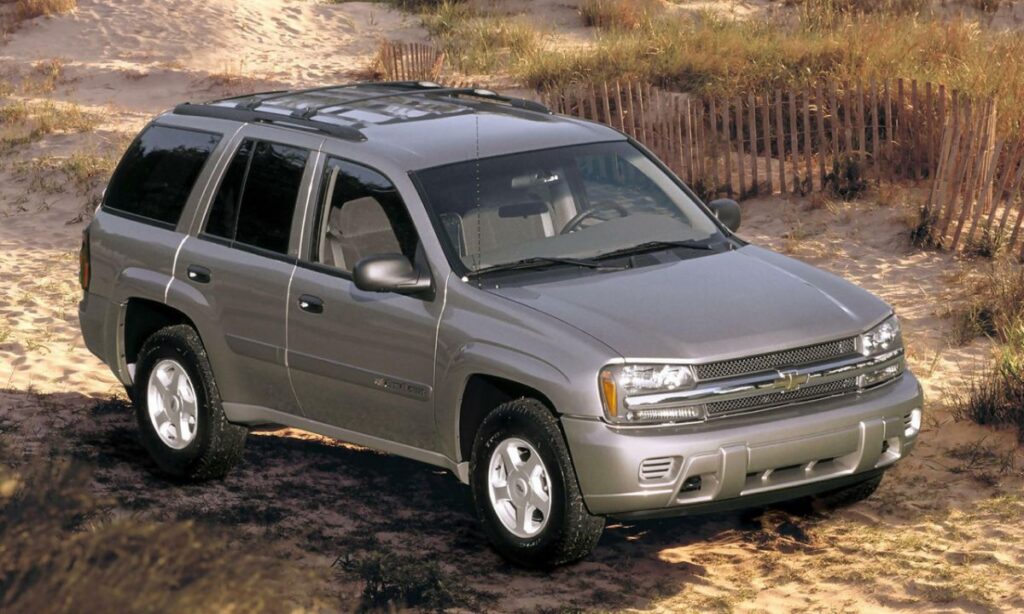
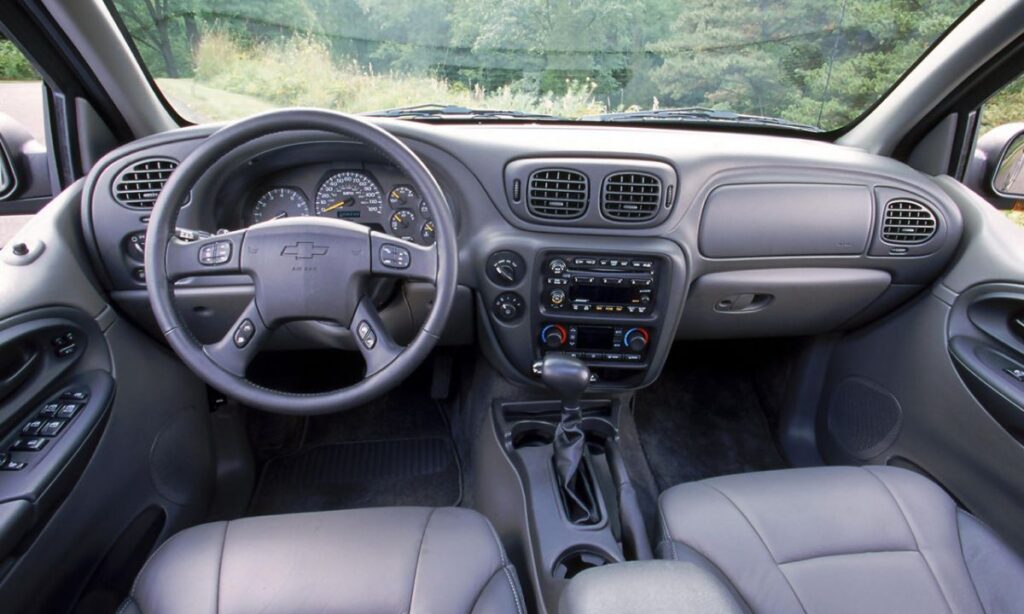
This debut marked the Trailblazer as a mid-size SUV. It built on truck roots for toughness. Sold mainly in North America, it offered regular and extended versions. Production ran from 2001 to 2008. It shared parts with GMC Envoy and others. Owners valued its haul capability. But early models faced reliability hiccups.
Core specifications
The first-gen used the GMT360 platform for standard models. EXT versions got GMT370 for extra length. Dimensions varied: standard wheelbase at 113 inches, EXT at 129 inches. Length: 191.8 inches standard, 207.8 inches EXT. Width stayed 74.7 inches. Height dropped slightly over years from 74.5 to 72.5 inches standard.
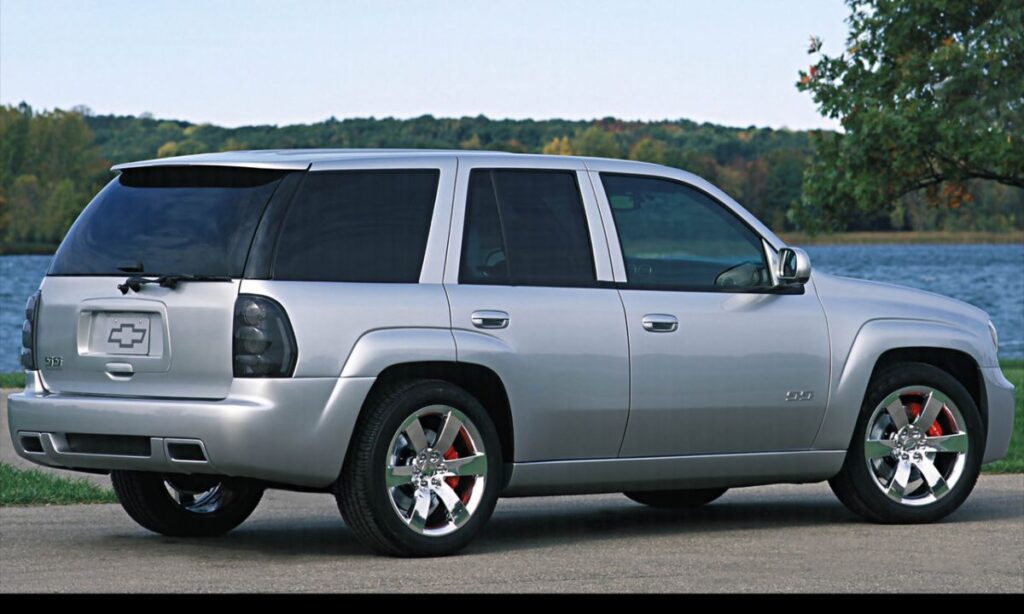
Engines started with a 4.2L inline-six (273 hp, 275 lb-ft). Later, 5.3L V8 (302 hp) added with active fuel management. SS models from 2006 packed a 6.0L V8 (394 hp). All paired with four-speed automatics. Fuel economy hovered around 15-20 mpg highway for six-cylinder.
Drivetrains included rear-wheel or four-wheel drive. Towing reached 7,200 pounds with V8.
Key components
Suspension featured independent front double-wishbone and five-link rear. Brakes were four-wheel discs. Engines used aluminum blocks for lightness. SS had stiffened setup, 20-inch wheels, and 4.10 axle ratio. Features like OnStar, Bose audio, and moonroof appeared in higher trims. LS base had cloth seats and CD player. LT added power seats. EXT offered third-row seating for seven.
Locking rear differential aided off-road. Full-size spare came standard.
Strengths
This generation shone in versatility and power.
- Strong towing and payload for mid-size class, ideal for trailers or gear.
- Smooth inline-six engine, often praised for refinement and torque.
- Spacious interior, especially EXT with 100 cubic feet cargo.
- Upscale options like leather and premium sound rivaled luxury SUVs.
- SS variant delivered sports car-like acceleration, hitting 0-60 in under 6 seconds.
- Durable frame handled rough terrain well.
It won awards like North American Truck of the Year in 2002.
Weaknesses
Reliability plagued early years, with common fixes needed.
- Electrical issues, including faulty gauges and power window shorts leading to fires (recall in 2012).
- Fuel system problems like leaky lines or failing pumps.
- Suspension wear, causing jiggly ride and handling woes.
- Poor side-impact safety ratings without optional airbags.
- Thirsty engines, especially V8, with low mpg in city driving.
- Rust in salted regions, affecting frame and body.
Avoid 2002-2006; 2008-2009 improved.
Second generation (2012-present, international)
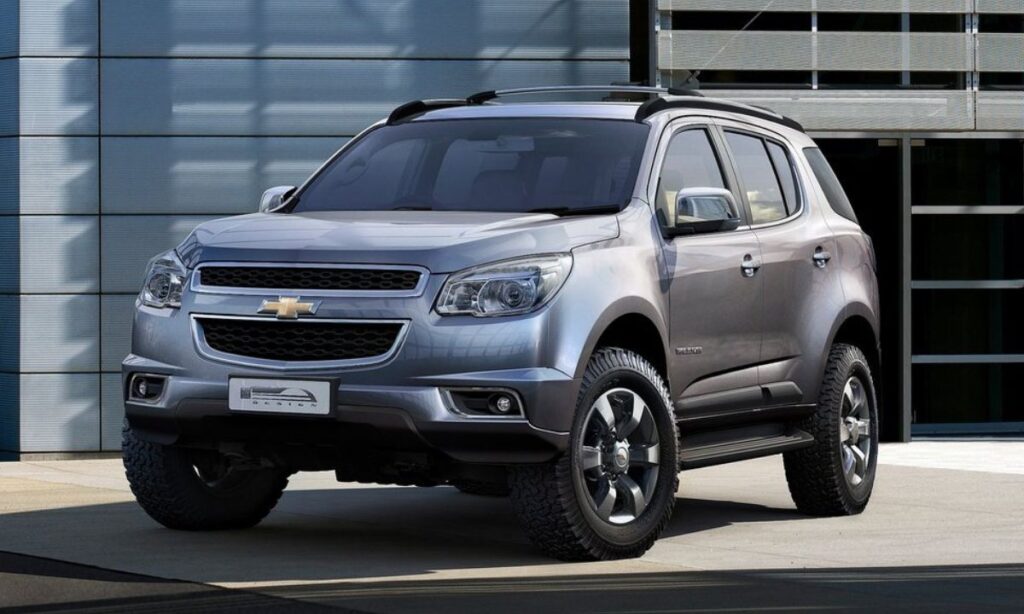
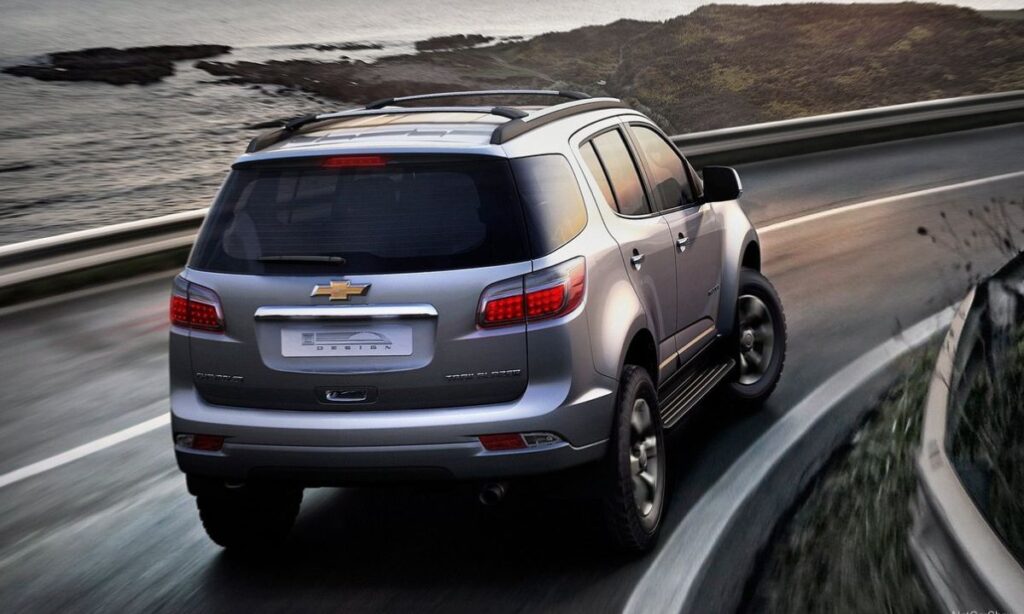
Shifting to global markets, this gen became a three-row SUV. It launched in Asia and South America. Based on Colorado pickup, it focused on diesel efficiency. Production continues in Brazil and elsewhere. Not sold in North America, it appeals to emerging markets. Facelifts kept it fresh through 2024.
Core specifications
Platform: GMT31XX, shared with Colorado. Wheelbase: 112 inches. Length: 192.4-195 inches. Width: 83.9 inches. Height: 72.8-72.9 inches.
Engines: Diesels dominate – 2.5L Duramax (148-178 hp), 2.8L (178-197 hp). Gasoline 3.6L V6 (239-279 hp) in some areas. Transmissions: Six-speed manual or automatic.
Drivetrains: Rear-wheel with optional four-wheel. Towing varies by engine, up to 7,700 pounds.
Key components
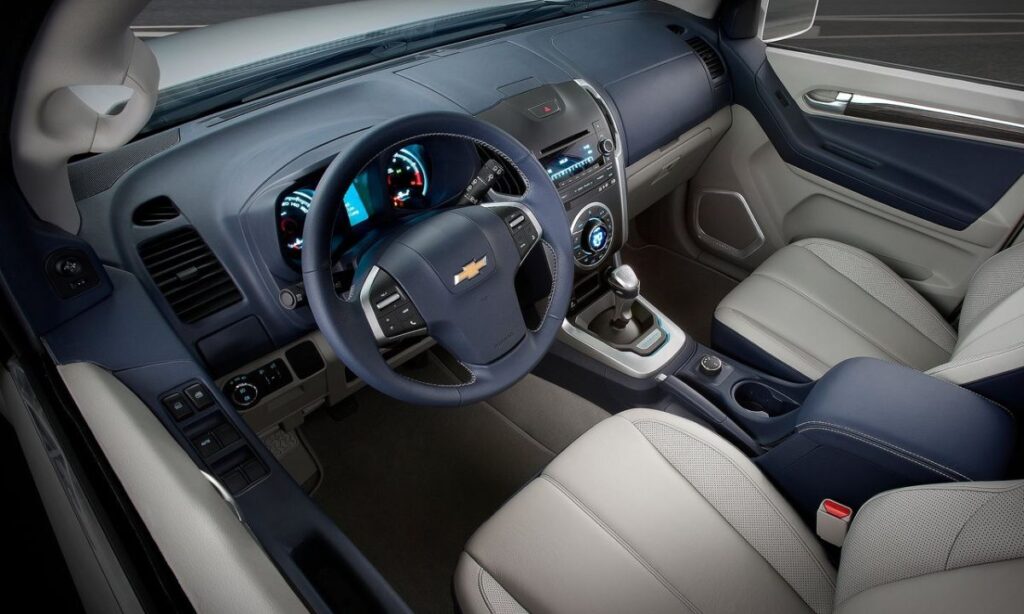
Rear live axle with coil springs and five-link setup. Turbo diesels feature variable-geometry turbos and common-rail injection. Interiors include roof vents for rear rows. LT trims add cruise and Bluetooth. LTZ gets leather, projectors, and premium audio. Facelifts brought LED lights and updated grilles.
Safety kit: Electronic stability, multiple airbags, and rear cameras.
Strengths
This era excels in practicality for families abroad.
- Efficient diesels with strong torque for highways and loads.
- Three-row seating fits seven comfortably.
- Good safety scores: High in ASEAN NCAP tests.
- Versatile for urban or off-road with ground clearance.
- Frequent updates keep styling modern.
- Affordable maintenance in diesel markets.
It sold well in Thailand and Brazil.
Weaknesses
Regional limits and some build quality gripes.
- Limited to certain countries, hard to find parts elsewhere.
- Noisy diesels at high revs.
- Sales dropped in some areas like Thailand by 2020.
- Basic interiors in lower trims feel dated.
- Manual option not for everyone.
- Pedestrian protection could improve.
Facelifts addressed many issues.
Third generation (2021-present, subcompact crossover)
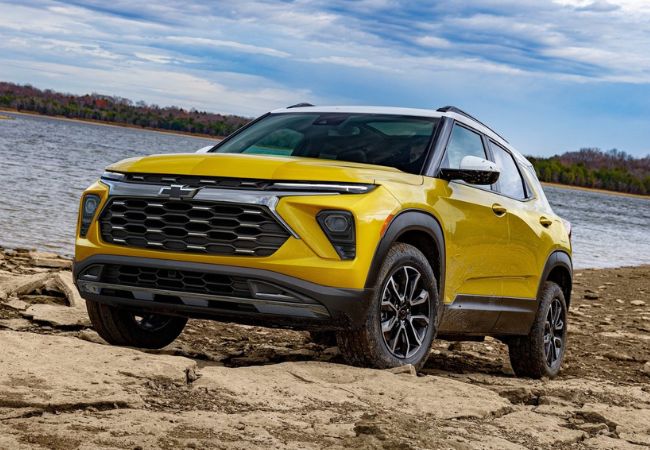
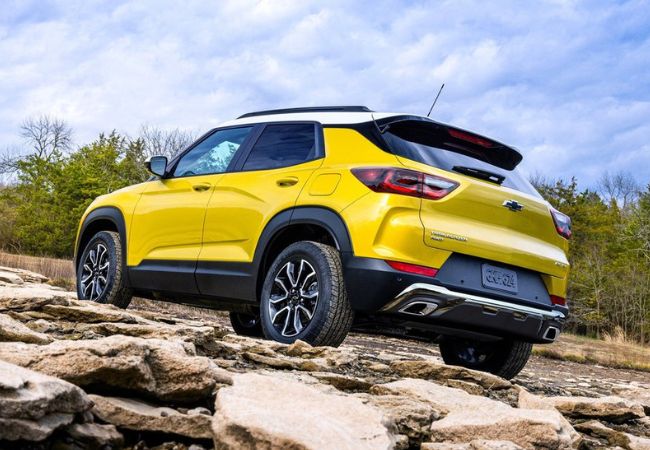
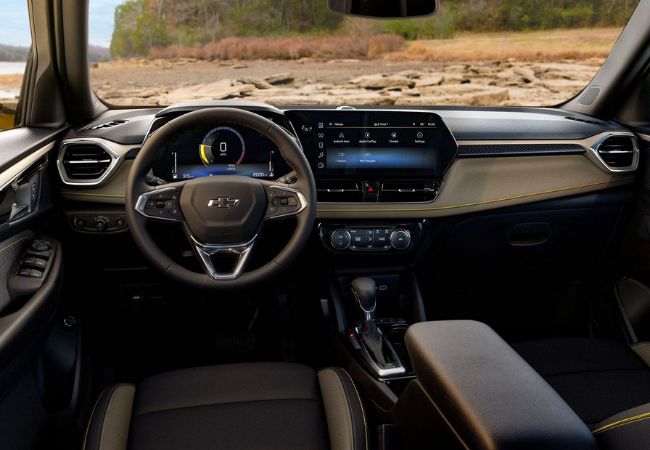
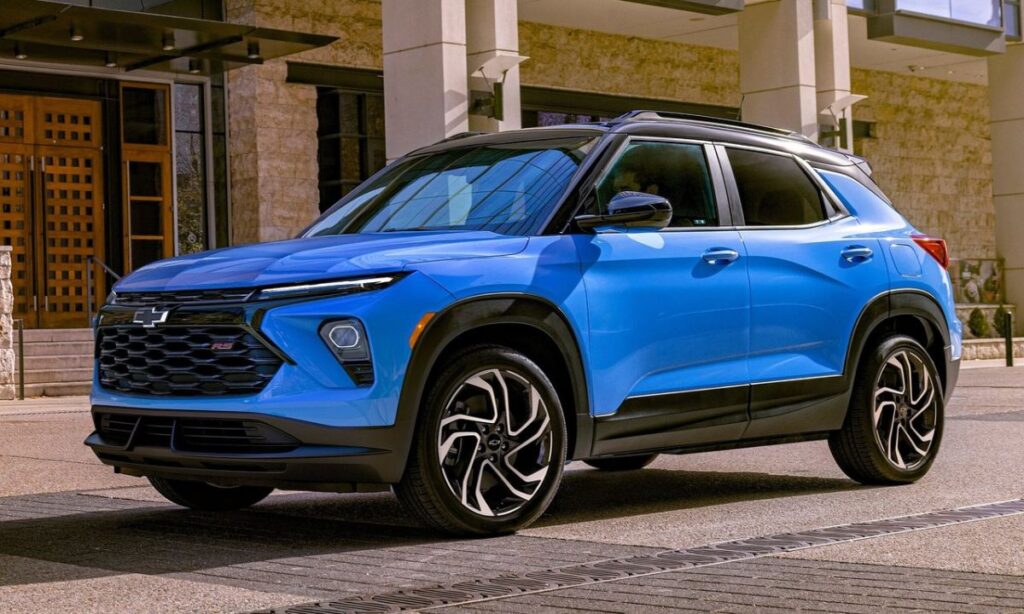
Revived in North America, this is a unibody subcompact. It slots between Trax and Equinox. Launched 2020 globally, 2021 in US. Focus on efficiency and tech. 2024 refresh added screens and styling.
Core specifications
Platform: GM VSS-F. Wheelbase: 103.9 inches. Length: 173.7-174.2 inches. Width: 71.3 inches. Height: 64.3-65.5 inches. Weight: 2,996-3,241 pounds.
Engines: 1.2L turbo three-cylinder (137 hp), 1.3L turbo (155 hp). Transmissions: CVT for FWD, nine-speed auto for AWD.
Fuel economy: Up to 31 mpg combined for 1.3L FWD.
Key components
Front-wheel drive standard, AWD optional. Independent suspension all around. Trims: LS basic, LT mid, Activ rugged, RS sporty. 2024: 11-inch touchscreen, wireless CarPlay. Safety: Auto braking, lane keep.
Dual exhaust on top trims. Hands-free liftgate available.
Strengths
Modern and agile for city life.
- Excellent fuel efficiency, beating rivals.
- Spacious cabin for subcompact, with flexible cargo.
- Peppy turbo engines for quick merges.
- Top safety: IIHS Top Safety Pick+.
- Tech-forward with large screens and connectivity.
- Stylish variants like RS with sport cues.
Affordable entry into SUVs.
Weaknesses
Some compromises in size and power.
- Three-cylinder vibration at idle.
- CVT can feel sluggish in FWD.
- Limited towing: 1,000 pounds max.
- Plastics feel cheap in base models.
- No hybrid option yet.
- Rear space tight for taller adults.
Overall reliable, few major issues reported.
This evolution shows Chevy’s adaptability. From truck-like to crossover, the Trailblazer suits varied needs.