Chevrolet ABS Light On: Causes, diagnosis, and what to do next
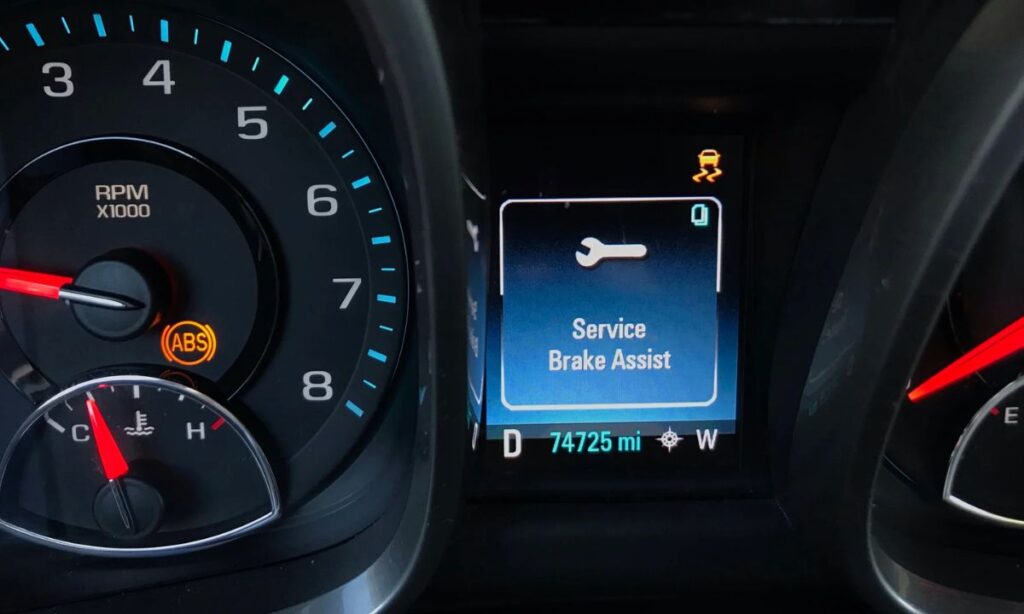
Imagine cruising along in your Chevrolet Silverado after a long day on the job or navigating rush-hour traffic in your Malibu when that familiar orange ABS warning light suddenly lights up on the dashboard. Your heart skips a beat — is it safe to keep driving? Will the brakes still work? This scenario plays out for thousands of Chevrolet owners every month, and while it’s rarely catastrophic right away, it signals that your anti-lock braking system needs attention.
With over a decade of hands-on experience diagnosing and repairing Chevrolet vehicles across models from the compact Cruze to heavy-duty trucks like the Tahoe and Silverado, I’ve learned that the ABS light is rarely random. It’s the vehicle’s way of telling you something in the complex network of sensors, modules, and hydraulics has gone off-script. Understanding exactly why it happens — and what to do immediately — can mean the difference between a quick fix and a major safety issue. Let’s break it down step by step so you can respond like a pro.
How the ABS system works in Chevrolet vehicles
Your Chevrolet’s anti-lock braking system is a sophisticated guardian that prevents wheel lockup during emergency stops. It constantly monitors each wheel’s rotation speed through dedicated sensors, feeding data to a central electronic brake control module (EBCM). If one wheel slows too quickly (indicating a skid), the module pulses brake pressure up to 15 times per second — far faster than any human foot could manage.
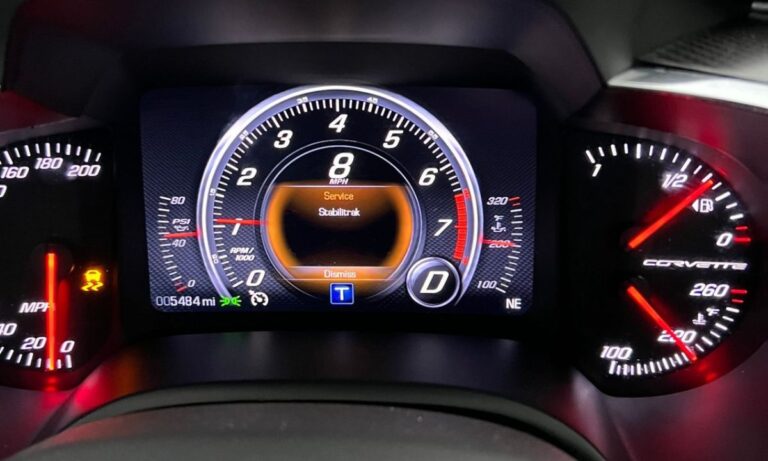
In modern Chevrolets, this system is tightly integrated with Stabilitrak stability control and traction control. That’s why you’ll often see those lights illuminate together. When the ABS light stays on, the system has logged a fault and disabled itself to prevent erratic behavior. Your standard hydraulic brakes still work normally, but you lose that critical anti-skid protection. The good news? This is almost always fixable once you pinpoint the root cause.
Top reasons the ABS light comes on in Chevrolet models
From my workbench experience with everything from older Suburbans to newer Tahoes, certain issues pop up far more frequently in Chevrolet vehicles than others. Here are the most common culprits, ranked by how often I see them:
- Faulty or dirty wheel speed sensors — These small magnetic sensors sit behind each wheel hub and are the number one offender across Cruze, Malibu, Silverado, and Tahoe models. Road debris, rust, corrosion, or even metal shavings can coat the sensor or its tone ring (the toothed wheel it reads). In 2011-2012 Cruzes, there were even factory technical service notices about this exact problem. When a sensor sends inconsistent data, the ABS module throws a code and lights up the dash.
- Low brake fluid levels — The ABS system relies on proper hydraulic pressure. If fluid drops too low (often from a small leak or simply normal evaporation over time), a float sensor in the master cylinder reservoir triggers the warning. This one is sneaky because your brake pedal might still feel firm at first.
- Problems with the ABS control module (EBCM) — Especially common in 2007-2014 Silverado and Tahoe trucks. Internal solder joints can crack from heat cycling, or the module itself can develop pump motor faults. Chevrolet trucks often see ground wire corrosion right near the front wheel wells, which disrupts communication and lights up both ABS and Stabilitrak warnings.
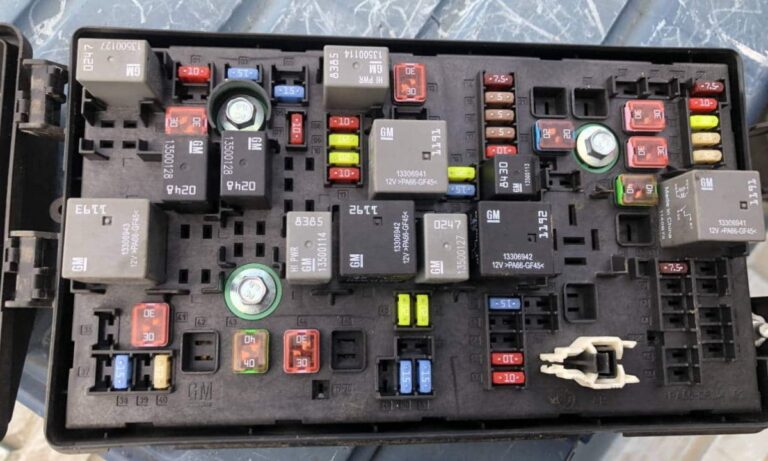
- Wiring harness damage or blown fuses — Constant vibration, road salt, or even rodents can fray wires or corrode connectors. A single blown fuse in the under-hood box can also kill power to the entire system.
- Damaged tone rings or wheel bearings — The tone ring can crack or lose teeth from potholes or curb strikes. Worn bearings create excessive play, throwing off sensor readings. This is more prevalent in high-mileage trucks that see rough roads or towing duty.
Less common but still possible are issues like software glitches in the body control module or even a failing battery causing voltage spikes that confuse the ABS computer.
Immediate steps when the ABS light illuminates
Don’t panic — but don’t ignore it either. Here’s the exact sequence I recommend to every Chevrolet owner who calls me:
- Slow down and test safely — Drive at reduced speed to the nearest safe spot. Your regular brakes still function, but avoid hard stops or slippery roads until the system is fixed. In dry conditions, most drivers won’t notice much difference, but in rain or snow you lose that anti-skid advantage.
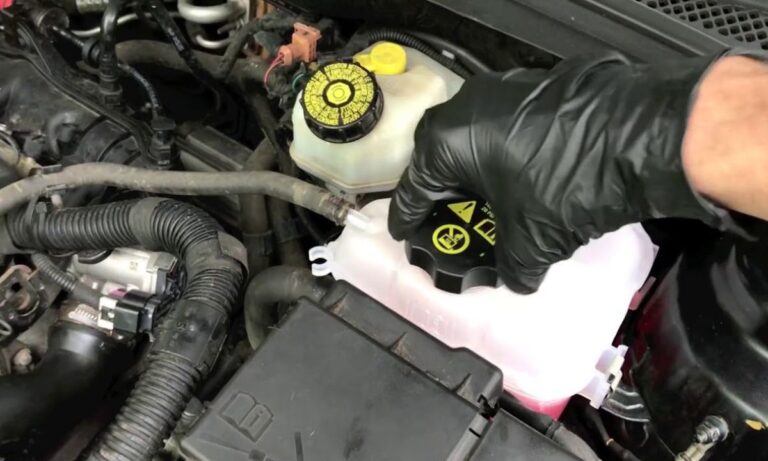
- Check the brake fluid reservoir — Pop the hood (engine off and cool) and locate the translucent plastic reservoir on the driver’s side firewall. The level should sit between MIN and MAX. If it’s low, top it off with the correct DOT 3 or DOT 4 fluid specified for your model year. This simple step fixes the light surprisingly often.
- Inspect visible components — With the vehicle safely jacked up and wheels off (or during your next tire rotation), look for damaged wiring near the wheel hubs, corrosion on sensors, or obvious leaks. Clean any dirty sensors gently with brake cleaner and a soft brush — many Silverado and Tahoe owners have resolved intermittent lights this way.
- Scan for diagnostic trouble codes — This is the single most important step. A basic OBD-II scanner won’t cut it; you need one that reads ABS-specific codes (many affordable Bluetooth units or professional-grade tools do). Codes like C0040 (right-front wheel speed sensor) or C0035 point you straight to the problem. Without codes, you’re guessing.
- Try a simple reset — Disconnect the negative battery terminal for 10-15 minutes, then reconnect. This sometimes clears temporary glitches, though it won’t fix underlying mechanical issues.
When to head straight to a professional
If the light stays on after basic checks, or if you notice spongy brakes, unusual noises, or the Stabilitrak light is also flashing, it’s time for expert help. ABS module repairs or sensor replacements often require specialized tools to bleed the system properly and relearn the sensors. In trucks, ground strap repairs under the frame are quick once located but easy to miss without experience.
Keeping your Chevrolet’s ABS system reliable long-term
Prevention beats cure every time. Make brake fluid checks part of every oil change. During tire rotations, ask your technician to clean and inspect wheel speed sensors — it takes minutes and prevents 90% of sensor-related lights. Avoid driving through deep puddles or heavy salt buildup without a good undercarriage rinse. And if you tow heavy loads or live in snowy regions, consider upgrading to ceramic brake pads that run cooler and reduce heat stress on the module.
By understanding your Chevrolet’s ABS system and acting quickly when that light appears, you protect not just your investment but everyone sharing the road with you. Stay alert, drive safe, and that dashboard warning will become nothing more than a brief reminder that your vehicle is looking out for you.