Toyota Camry XV30 Fuses: Complete Guide 2001-2006
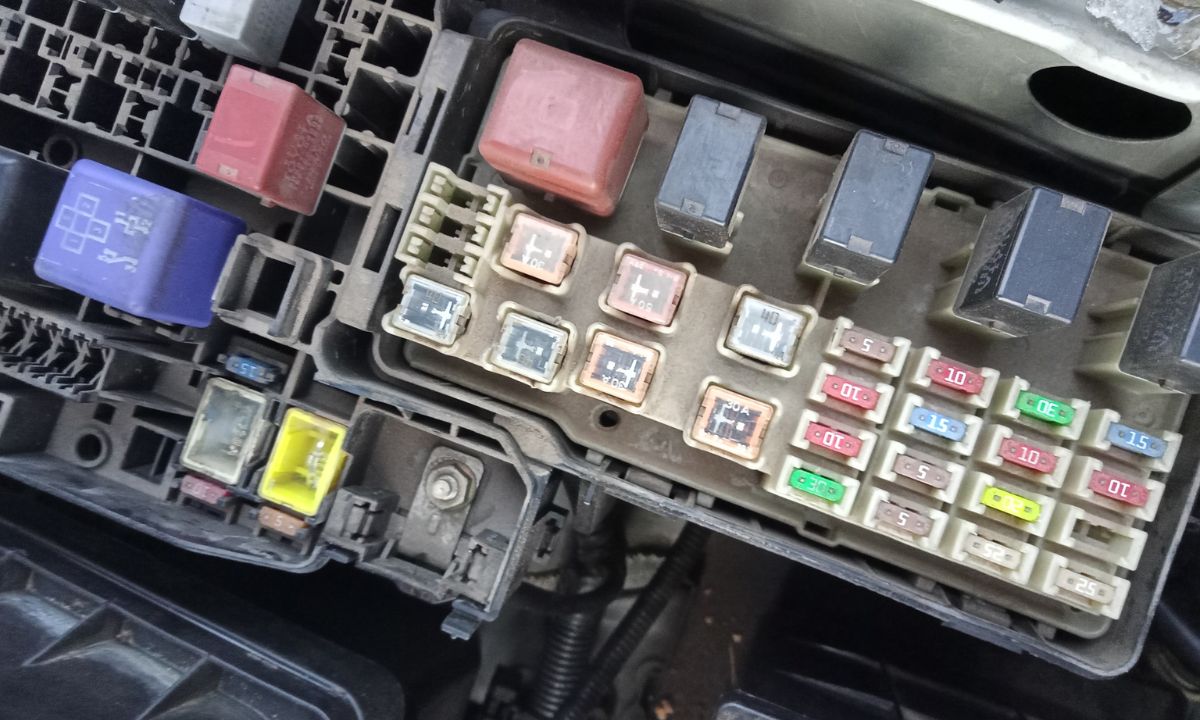
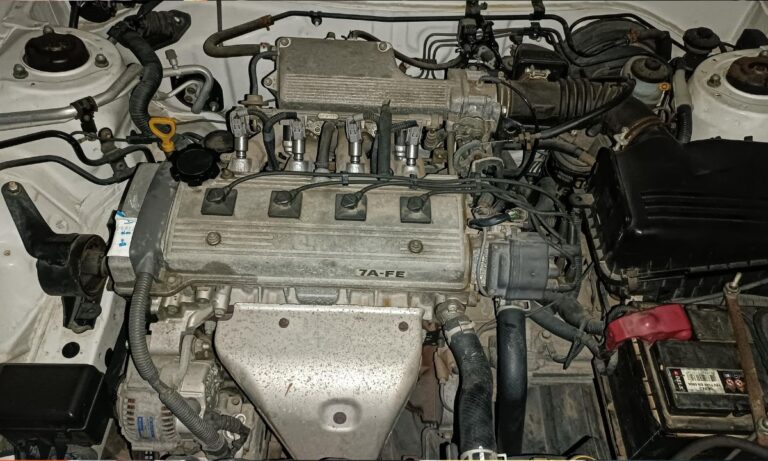
The Toyota Camry XV30 (2001–2006) uses multiple fuse boxes to protect every electrical circuit in the vehicle. Knowing the exact location, amperage, and function of each fuse is essential for diagnosing electrical failures, replacing blown fuses safely, and avoiding costly dealership visits. This guide covers every fuse in every box for the XV30 generation, including 2.4L 4-cylinder (2AZ-FE) and 3.0L V6 (1MZ-FE) variants.
Fuse Box Locations on the Toyota Camry XV30
The XV30 Camry has three primary fuse and relay centers:
- Instrument Panel Fuse Box – located behind the lower left dash panel, driver’s side, accessible by opening the small cover beneath the steering column area
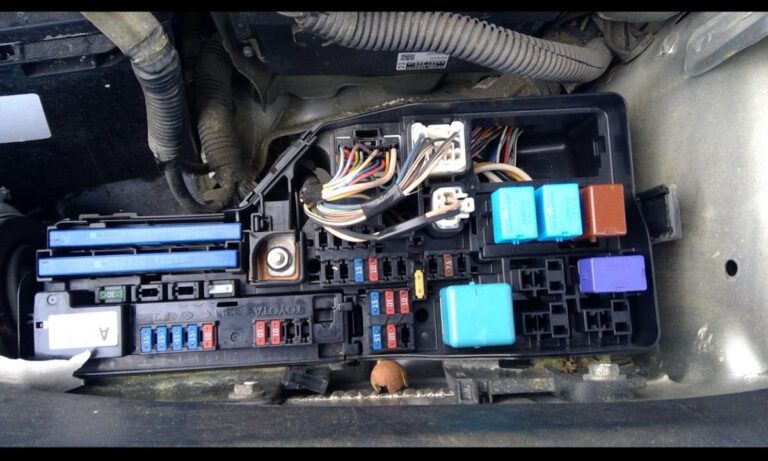
- Engine Compartment Fuse/Relay Box (Main Fuse Box) – located on the left side of the engine bay, near the battery
- Engine Compartment Junction Block – also near the battery, houses high-amperage fusible links
Instrument Panel (Interior) Fuse Box – Complete Fuse List
This box protects interior and cabin electrical systems. Always check this box first for issues with windows, locks, interior lights, or the instrument cluster.
- Fuse 1 – 7.5A – Backup lights, automatic transmission shift lock
- Fuse 2 – 15A – Power windows (passenger rear)
- Fuse 3 – 15A – Power windows (driver)
- Fuse 4 – 7.5A – Speedometer, combination meter, ECM power
- Fuse 5 – 15A – Cigarette lighter / accessory power outlet
- Fuse 6 – 10A – Horn
- Fuse 7 – 10A – Stop (brake) lights
- Fuse 8 – 15A – Defogger rear window (part circuit)
- Fuse 9 – 10A – Turn signals, hazard lights
- Fuse 10 – 10A – Interior dome light, door courtesy lights
- Fuse 11 – 10A – Ignition switch, EFI main relay control
- Fuse 12 – 15A – Audio / stereo unit
- Fuse 13 – 10A – Air conditioning control panel, blower motor relay
- Fuse 14 – 7.5A – ECM (engine control module) backup power
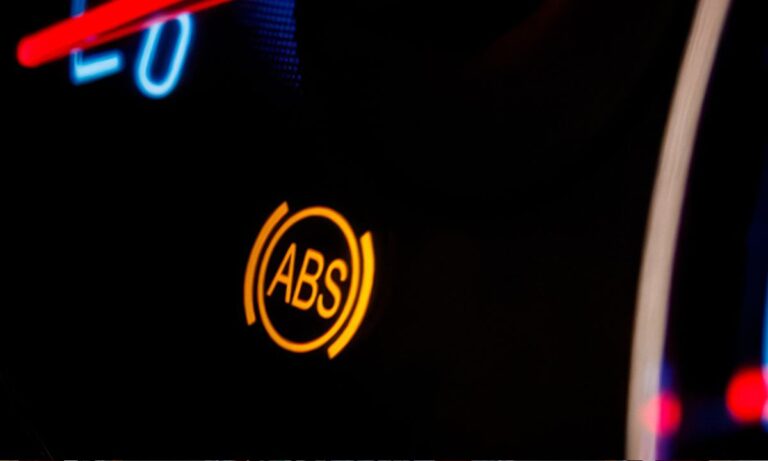
- Fuse 15 – 10A – ABS warning light, instrument cluster illumination
- Fuse 16 – 10A – Power mirror adjustment switch
- Fuse 17 – 15A – Power door locks
- Fuse 18 – 20A – Power windows main
- Fuse 19 – 10A – Daytime running lights (DRL) module (Canada models)
- Fuse 20 – 10A – Seat heaters (if equipped)
- Fuse 21 – 15A – Sunroof / moonroof motor (if equipped)
- Fuse 22 – 10A – SRS airbag system ECU
- Fuse 23 – 7.5A – Keyless entry / security system module
- Fuse 24 – 10A – Cruise control actuator and module
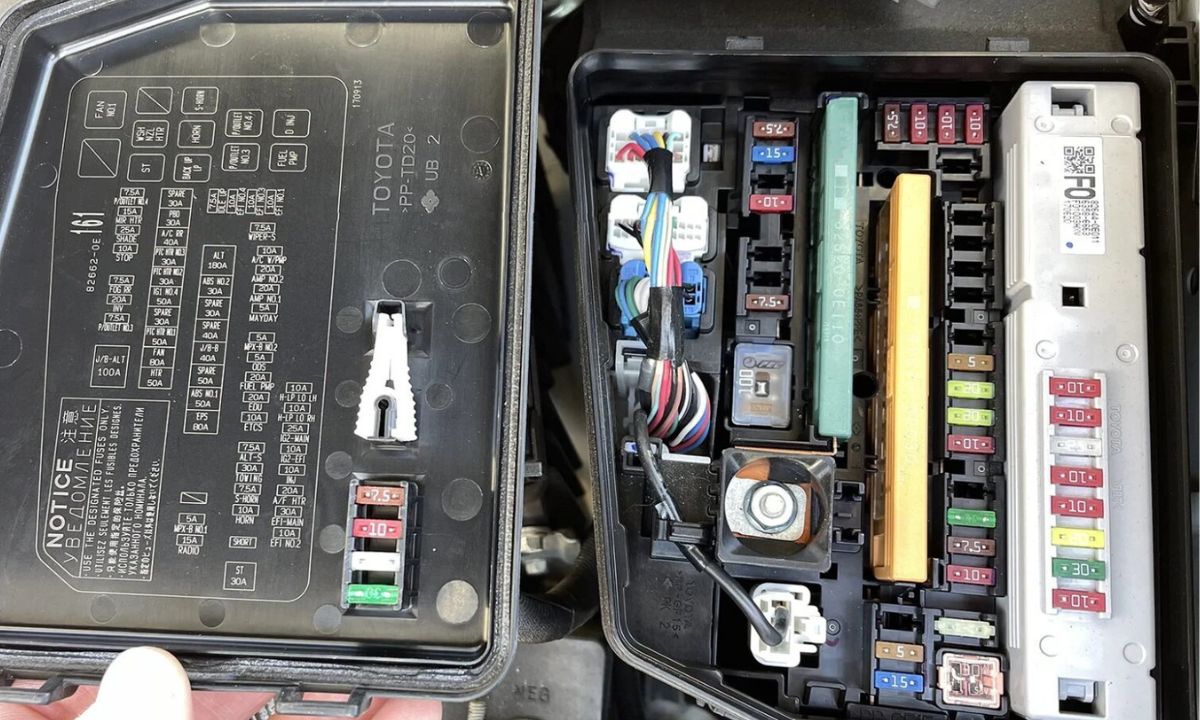
Engine Compartment Fuse and Relay Box – Complete Fuse List
This box handles high-demand circuits for engine management, lighting, and major body systems. It also contains relays for the starter, fuel pump, and cooling fans.
- Fuse 1 – 10A – Headlights (low beam, right)
- Fuse 2 – 10A – Headlights (low beam, left)
- Fuse 3 – 15A – Headlights (high beam, right)
- Fuse 4 – 15A – Headlights (high beam, left)
- Fuse 5 – 10A – Parking lights, side marker lights
- Fuse 6 – 10A – Tail lights, license plate light
- Fuse 7 – 15A – Fog lights front (if equipped)
- Fuse 8 – 30A – Blower motor (HVAC fan)
- Fuse 9 – 15A – Fuel injectors, EFI system power
- Fuse 10 – 10A – Oxygen sensors, evaporative emission control
- Fuse 11 – 10A – Vehicle speed sensor, transmission control module (TCM)
- Fuse 12 – 15A – Fuel pump relay control circuit
- Fuse 13 – 20A – ABS actuator pump motor (if equipped)
- Fuse 14 – 10A – ABS ECU control
- Fuse 15 – 20A – Cooling fan motor (radiator fan)
- Fuse 16 – 10A – Condenser fan motor (A/C fan)
- Fuse 17 – 15A – Power steering (EPS) ECU (if equipped with electric assist)
- Fuse 18 – 10A – Engine coolant temperature sender, sensors
- Fuse 19 – 10A – Windshield wipers motor
- Fuse 20 – 15A – Windshield washer pump
- Fuse 21 – 30A – Rear window defogger heating element
- Fuse 22 – 10A – Charging system warning light, alternator output signal
Fusible Links – Engine Compartment Junction Block
These are high-amperage fusible links that protect the main wiring harness. A blown fusible link usually indicates a serious short circuit and should be investigated before replacement.
- FL1 – 100A – Main battery fusible link (total vehicle power)
- FL2 – 80A – Engine room fuse box power supply
- FL3 – 60A – ABS hydraulic unit main power
- FL4 – 40A – Blower motor and HVAC high-current supply
- FL5 – 30A – Alternator output to battery circuit
Common Fuse Problems on the Camry XV30
- Blown fuse 7 (stop lights): causes brake lights to fail entirely; check for shorted trailer wiring or faulty brake light switch
- Blown fuse 12 (audio): no stereo power; commonly caused by aftermarket head unit installation errors
- Blown fuse 15 (cigarette lighter): frequently caused by using adapters that draw excessive current
- Blown cooling fan fuse (F15 engine box): can lead to overheating; always verify the fan motor is not seized before replacing
- Blown ABS fuse: ABS warning light illuminates; verify wheel speed sensor wiring before fuse replacement
Fuse Types and Replacement Specifications
- The XV30 Camry uses standard blade-type (ATC/ATO) fuses throughout the interior box
- The engine compartment box uses mini blade (ATM) and maxi blade fuses for higher amperage positions
- Always replace fuses with the exact same amperage rating – never use a higher-rated fuse as a substitute
- Spare fuses are located in the instrument panel fuse box lid – Toyota provides a small selection in the cover holder
- Use a fuse puller tool (included in the fuse box cover) to avoid bending fuse legs or damaging the fuse block terminals