Vibration on Toyota: why your car shakes and how to fix it fast
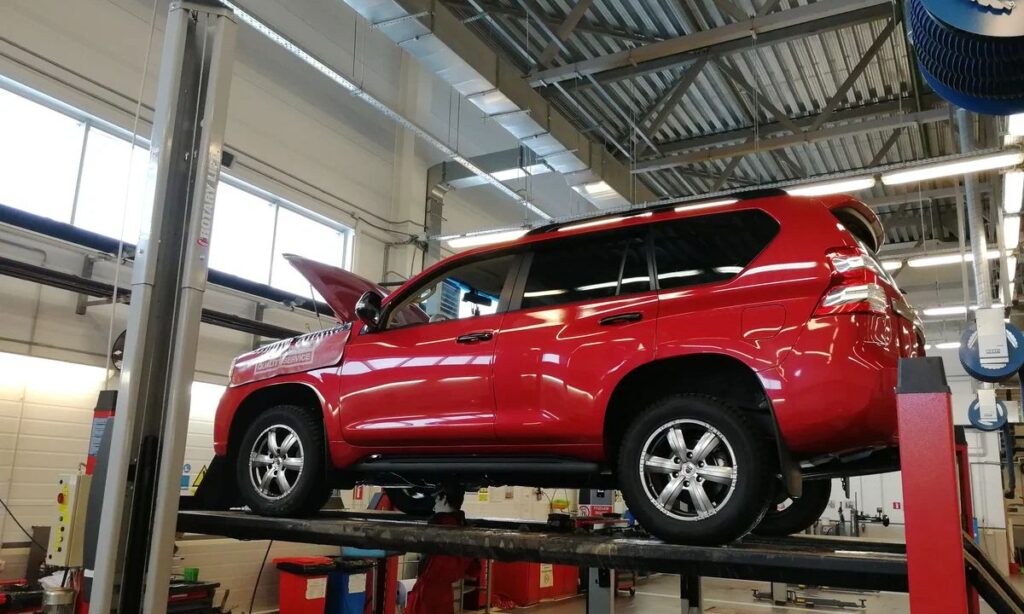
Many Toyota drivers suddenly notice their reliable car starts vibrating at certain speeds or during braking. This is more than just discomfort — it’s a clear warning sign of issues that can lead to expensive repairs or loss of control. Let’s break down the main causes and proven solutions for popular models like Toyota Camry, Corolla, RAV4, Land Cruiser, Prado, and others.
Why vibration appears on Toyota
Vibration rarely happens without reason. It usually stems from wear or imbalance in key systems. Here are the most common causes:
- Wheel and tire imbalance The top reason by far. Even new tires need proper balancing after installation. At 80–120 km/h the steering wheel and body begin to shake. This is especially noticeable on Camry and RAV4 with low-profile tires.
- Brake system problems Warped brake discs or drums cause strong vibration when pressing the brake pedal. On Corolla and Auris this often appears after 60–80 thousand km.
- Worn suspension components Ball joints, silent blocks, shock absorbers, and tie rods lose their rigidity over time. On all-wheel-drive RAV4 and Prado, vibration can come from the rear suspension on uneven roads.
- Driveshafts and CV joints issues Torn CV joint boots let dirt in and accelerate wear. Characteristic vibration during acceleration and turns is common on front-wheel-drive Camry and Corolla.
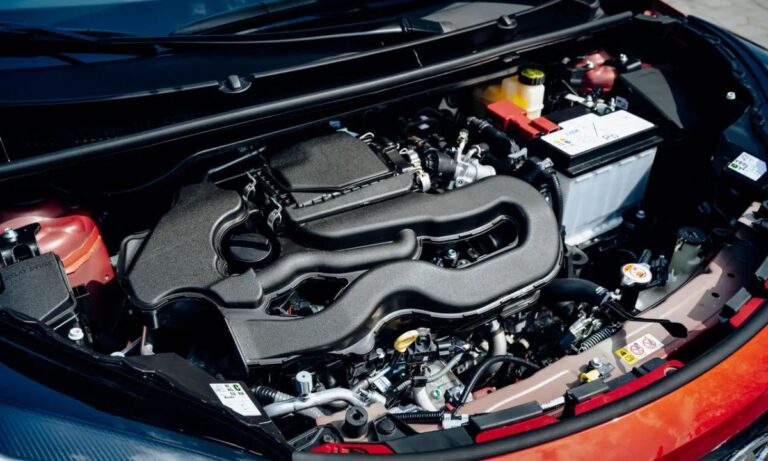
- Engine and mount problems Worn engine and transmission mounts transfer vibrations to the body. This is typical on 2.0 and 2.5-liter petrol engines at idle and during sharp acceleration.
- Driveshaft or propeller shaft imbalance Relevant for full-time 4WD models like Land Cruiser and Prado, especially after off-road use.
- Uneven brake pad wear or wheel bearing failure Bearings produce a low-frequency hum and vibration that increases with speed.
How to diagnose the source of vibration
You can identify the cause by its symptoms:
- Vibration in the steering wheel at specific speeds — almost always wheels.
- Shaking when braking — brake discs.
- Vibration in the cabin at idle — engine mounts.
- Increases during turns — CV joints or driveshafts.
- Constant hum and vibration from the rear — rear suspension or driveshaft.
Start diagnostics simply: jack up the car, check wheel play, and visually inspect boots and discs.
Effective solutions for each problem
Wheel-related issues Perform professional wheel balancing and alignment. If tires show uneven wear, replace them. For Toyota models, use original or high-quality analogs with the correct load index.
Brake system Resurface or replace brake discs together with pads. After replacement, bed them in properly with several smooth stops from 100 to 30 km/h.
Suspension repair Replace worn silent blocks, ball joints, and shock absorbers as a set on one axle. For RAV4 and Prado choose reinforced parts if the vehicle is often loaded.
Driveshafts and CV joints Replace boots at the first sign of cracks, or replace the entire CV joint if there is significant play. This relatively inexpensive repair completely eliminates vibration during acceleration.
Engine mounts Replacing the mounts (usually 3–4 pieces) restores smoothness. On Camry with 2.5-liter engines this noticeably reduces noise and vibration inside the cabin.
Driveshaft Professional balancing or replacement of universal joints and center bearing. This often solves vibration at 100–140 km/h on Land Cruiser.
Prevention of vibration on Toyota
To keep vibration away:
- Check wheel balancing every 10,000 km.
- Replace brake discs together with pads.
- Monitor CV joint boots regularly.
- Use quality fuel and follow the maintenance schedule.
- After hitting potholes, check suspension geometry immediately.
Timely fixes not only restore comfort but also extend the life of major components. Toyota vehicles have excellent durability, and most vibration problems are solved quickly and affordably if addressed early.