Toyota 7A-FE 1.8L engine: Specs, strengths, weaknesses, and maintenance tips
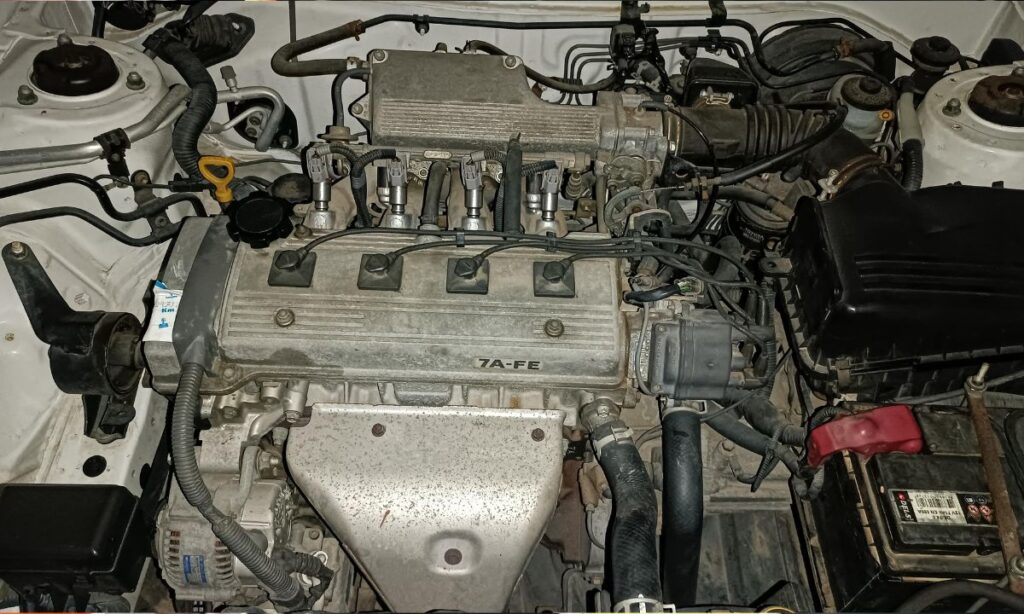
The Toyota 7A-FE engine stands as a testament to the brand’s commitment to reliable, efficient powerplants for everyday vehicles. Debuting in the early 1990s, this 1.8-liter inline-four powered models like the Corolla, Celica, Geo Prizm, and Carina, bridging the gap between the smaller 4A series and larger 1ZZ/2ZZ units. Known for its lean-burn technology in some variants, the 7A-FE emphasized fuel economy and smooth operation, making it a favorite for commuters and fleet operators. Over its production run from 1993 to 2001, it evolved with refinements for emissions and performance, achieving outputs up to 115 horsepower while sipping gas at rates competitive with hybrids of the era. Its cast-iron block and aluminum head design balanced durability with weight savings, contributing to nimble handling in compact cars. Despite being phased out for more advanced ZZ engines, many 7A-FE-equipped vehicles log hundreds of thousands of miles with basic care, underscoring Toyota’s engineering prowess. This exploration covers its technical details, standout attributes, potential pitfalls, and upkeep strategies to maximize longevity in these enduring machines.
Detailed specifications of the Toyota 7A-FE 1.8L engine
The 7A-FE’s design prioritized efficiency through precise engineering, incorporating features like a narrow valve angle for better combustion.
- Displacement: 1,762 cc (1.8 liters), providing a sweet spot for power and economy in mid-size compacts.
- Configuration: Inline four-cylinder (I4) layout, naturally aspirated for simplicity and responsiveness.
- Bore and stroke: 81.0 mm bore x 85.5 mm stroke, favoring low-end torque over high-revving output.
- Compression ratio: 9.5:1 standard, with lean-burn variants at 10.0:1 for enhanced fuel atomization.
- Valvetrain: Dual overhead camshaft (DOHC) with four valves per cylinder (16 total), shim-over-bucket adjustment for precise clearance.
- Power output: 105-115 horsepower (78-86 kW) at 5,600-6,000 rpm, varying by market and tuning.
- Torque: 115-120 Nm (85-89 lb-ft) at 2,800-4,400 rpm, delivering usable pull for urban driving.
- Fuel system: Multi-point electronic fuel injection (EFI), with sequential injection in later models for cleaner burns.
- Materials: Cast-iron block for robustness, aluminum alloy head for reduced weight (total around 115-125 kg).
- Ignition: Distributorless ignition system (DIS) with coil-on-plug in some updates, ensuring reliable spark.
- Firing order: 1-3-4-2, standard for balanced I4 operation.
- Weight and dimensions: Compact design fits FWD platforms, with a dry weight optimizing vehicle dynamics.
- Emissions and efficiency: Meets Euro 2/3 standards with EGR and catalytic converter; real-world 25-35 mpg combined.
This setup won accolades for its blend of performance and thrift, powering over a million vehicles globally.
Strengths of the Toyota 7A-FE 1.8L engine
The 7A-FE’s reputation for bulletproof reliability makes it a darling among used car buyers, excelling in longevity and low-cost operation.
- Outstanding durability often sees engines surpassing 300,000 miles with routine maintenance, thanks to robust internals.
- Excellent fuel economy, especially in lean-burn versions, achieving up to 40 mpg highway in light-footed Corollas.
- Smooth and quiet running from the DOHC setup, minimizing vibrations for a refined drive.
- Easy tunability for enthusiasts, with bolt-on upgrades like intake/exhaust yielding 10-20 hp gains.
- Low emissions compliance without complex add-ons, qualifying for green incentives in various markets.
- Versatile applications across sedans, wagons, and hatchbacks, providing peppy acceleration for city use.
- Simple architecture reduces repair complexity, with widespread parts availability keeping costs down.
- Strong low-end torque aids in traffic, outperforming smaller engines in loaded scenarios.
In essence, the 7A-FE delivers hassle-free motoring, proving why Corollas hold resale value.
Problem areas in the Toyota 7A-FE 1.8L engine
No engine is flawless, and the 7A-FE has quirks that emerge with age or neglect, often tied to mileage.
- Oil consumption increases after 150,000 miles due to worn valve stem seals or rings, requiring frequent top-ups.
- Timing belt failures if not replaced every 60,000 miles, risking bent valves and major damage.
- EGR system clogging leads to rough idling or stalling, common in urban-driven units.
- Throttle body carbon buildup causes hesitation, especially in lean-burn models.
- Water pump leaks around 100,000 miles, potentially causing overheating if ignored.
- Knock sensor malfunctions trigger check engine lights, affecting performance.
- Vacuum hose degradation from heat results in lean conditions or poor acceleration.
- Head gasket issues in high-heat environments, though rare with proper cooling.
These are preventable with vigilance, but high-mileage examples warrant inspections.
Maintenance recommendations for the Toyota 7A-FE 1.8L engine
Keeping the 7A-FE in top form involves targeted care, leveraging its forgiving nature for extended service.
- Replace timing belt kit (including tensioner and idler) every 60,000 miles to avert catastrophic failure.
- Change oil every 5,000 miles using 5W-30 synthetic for optimal lubrication and reduced consumption.
- Clean throttle body and EGR valve annually or every 30,000 miles to maintain smooth operation.
- Flush coolant every 50,000 miles, inspecting water pump for leaks during the process.
- Check and adjust valve clearances every 60,000 miles, as shim adjustments ensure efficiency.
- Use high-quality fuel to prevent injector clogs, adding cleaners every 10,000 miles.
- Inspect vacuum hoses during tune-ups, replacing brittle ones to avoid air leaks.
- Monitor knock sensor via OBD scans, replacing if codes like P0325 appear.
- Perform compression tests periodically to catch ring wear early.
By following this regimen, the 7A-FE can remain a dependable powerhouse, rewarding owners with years of trouble-free driving in their trusted Toyotas.