Hybrid sales explode across America: how elevated gasoline prices are driving record demand for efficient vehicles
American drivers are shifting decisively. Data from automotive research firms shows hybrid sales surged 37 percent in two months, far outpacing the overall market’s 15 percent growth. This comes amid elevated gasoline prices and marks a lasting change: hybrids are now the practical choice for efficiency without full-electric infrastructure hassles.
The trend accelerates. Hybrids now approach or exceed 16 percent of light-duty sales nationally. Last year’s first quarter saw combined electrified vehicles at 22 percent of the market, with hybrids driving the gains. Dealers report hybrids rising from 30 to 35 percent of monthly sales. Hybrid inventory doubled in many areas, yet demand keeps popular models selling fast.
Modern hybrid technology advantages
Hybrid systems pair a gasoline engine with electric motors and a small battery. They switch or blend power automatically. Regenerative braking recovers energy on deceleration.
Core benefits:
- 30-50 percent better fuel economy than gas-only equivalents.
- Instant torque for responsive urban driving.
- No charging stations or home setup needed.
- Proven reliability across millions of high-mileage vehicles.
- Strong resale as used hybrids sell faster than average.
This explains sustained demand even in softer markets.
Buyer behavior and 2026 market trends
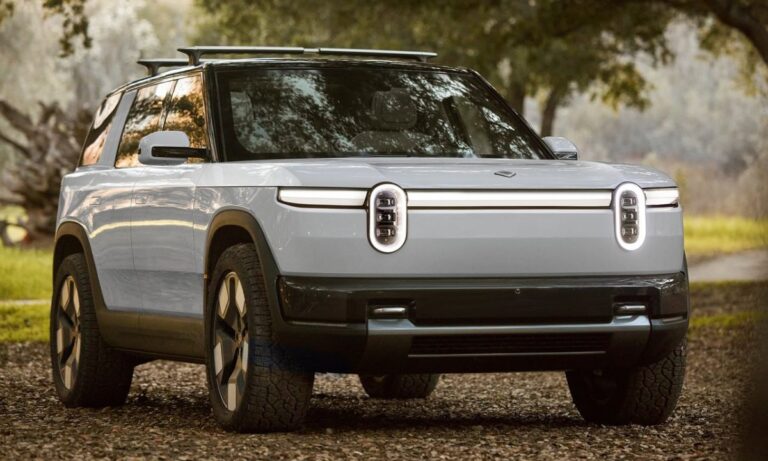
Over half of shoppers cite fuel costs as reason to reconsider options. Hybrid searches jumped while gas-model interest fell. Suburban families and commuters lead the move. Growth is strongest in higher-fuel-cost states, led by crossovers and SUVs. Automakers added 40 percent more hybrid models in five years.
Why hybrids beat pure evs here
EVs lag despite price pressure. Reasons include:
- Uneven charging networks outside cities.
- Preference for quick gas refueling over planning stops.
- Hybrids avoid home electrical upgrades and often cost less upfront.
- Better fit for long highway trips and U.S. weather variability.
Hybrids bridge the gap, offering most savings with full gasoline convenience. Loyalty rose as some EV owners switched back.
Industry moves and buyer tips
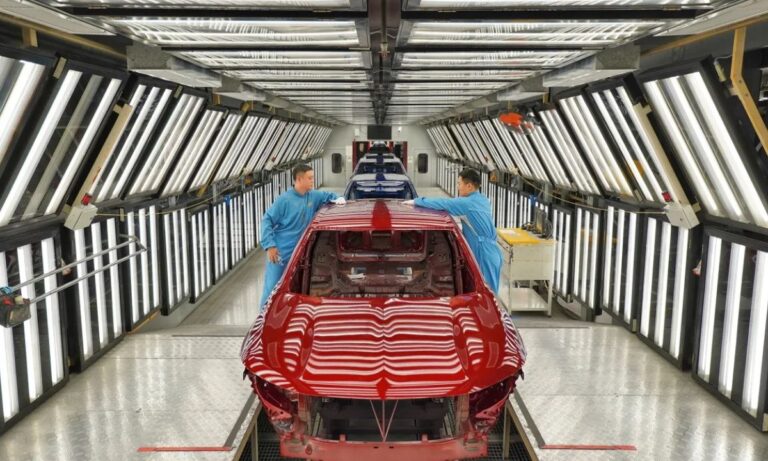
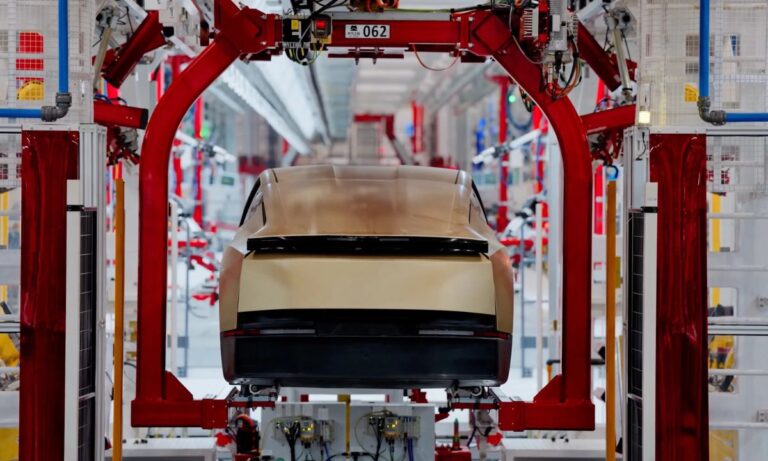
Manufacturers like Toyota, Honda, Hyundai, Kia, Ford, and Stellantis expanded hybrid lines with better batteries and software. This helps meet efficiency rules while selling what buyers want. Production ramps support jobs and supply chains.
Buyers should calculate total ownership costs including fuel savings and lower brake wear. Test drive options for refinement. Check cargo, safety features, and towing. Certified pre-owned hybrids offer warranty protection. Improved financing reflects strong resale. Families appreciate predictable costs.
Looking ahead
This surge shows buyers prioritizing real efficiency and usability. More models and better tech will widen hybrid edges. They also ease transition to future electrification.
The U.S. auto sector benefits with active plants and jobs while giving drivers lower emissions and fuel use without major lifestyle shifts. Rising fuel prices make hybrids the smart pick — reshaping lots, factories, and mobility across the country.