
Check engine Genesis: decoding of errors and ways to eliminate
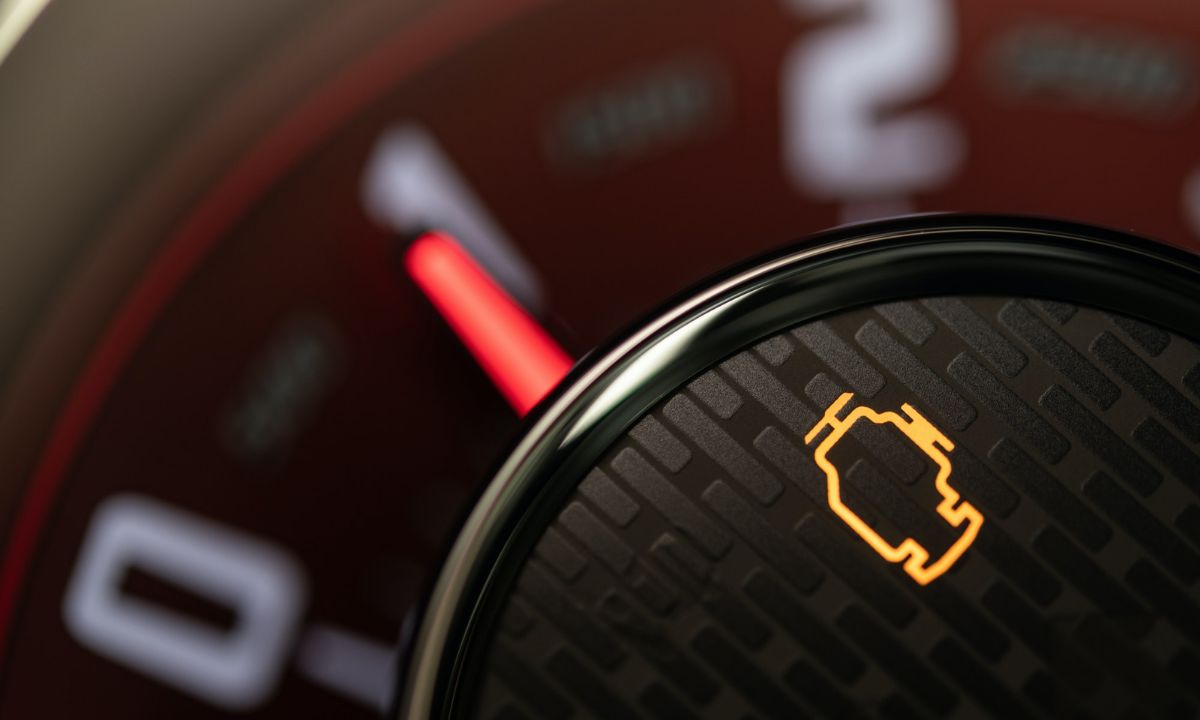
The check engine light suddenly lit up on the dashboard of your Genesis car? Many drivers start worrying about expensive engine repairs at that moment. In fact, in 60-70 percent of cases the cause lies in simple things such as the gas cap or a dirty sensor. Timely diagnostics helps avoid serious breakdowns and preserve the engine resource. In this article we will examine in detail why this happens on Genesis, which error codes occur most often and how to eliminate them yourself.
Main causes of check engine light on Genesis cars
The check engine indicator lights up when the engine control unit detects a deviation from normal operation in the systems. On Genesis models such as G70, G80, GV70 and GV80 this is often linked to sensitivity to fuel quality, sensor condition, turbo systems and electrical issues. Here are the most common causes:
- Leak in the EVAP system (fuel vapor capture), especially after refueling.
- Contamination or failure of the mass air flow sensor.
- Problems with oxygen sensors after 40-80 thousand kilometers.
- Misfires due to spark plugs, coils or low compression in cylinders.
- Turbocharger and boost system faults on turbo engines.
- Clogged EGR valve or circuit issues on applicable versions.
- Air leak in the intake system or poor quality fuel.
- Electronics glitches after battery discharge, engine wash or voltage surges.
- Catalytic converter failure or efficiency below normal.
If the light is flashing, this signals serious misfires — immediately reduce load and head to a diagnostic point to avoid damaging the catalytic converter.
Common check engine error codes on Genesis and their decoding
For accurate problem understanding read the codes with an OBD2 scanner. Here are 20 of the most frequent errors on Genesis vehicles with descriptions, possible causes and first steps for elimination. The information is based on real experience of G70, G80, GV70 and GV80 owners.
- P0442 — Small leak in the EVAP system. Causes: loosely tightened gas cap, damaged hoses or purge valve. Elimination: tighten the cap until it clicks, inspect hoses, drive 100-200 kilometers — the error often clears itself.
- P0455 — Large leak in the EVAP system. Causes: cracks in the tank neck or faulty purge valve. Elimination: check the system for tightness and replace the valve if needed.
- P0171 — Too lean air-fuel mixture. Causes: dirty mass air flow sensor, air leak or weak fuel pump. Elimination: clean the mass air flow sensor with a special cleaner and inspect pipes for tightness.
- P0300 — Random misfires. Causes: worn spark plugs, coils or low compression. Elimination: replace spark plugs and coils every 20-35 thousand kilometers.
- P0301 — Misfire in cylinder 1. Causes: faulty spark plug or coil in the first cylinder. Elimination: check and replace ignition components one by one.
- P0302 — Misfire in cylinder 2. Same solution as above.
- P0303 — Misfire in cylinder 3. Same solution as above.
- P0304 — Misfire in cylinder 4. Same solution as above.
- P0130 — Oxygen sensor circuit malfunction (bank 1, sensor 1). Causes: carbon buildup or damaged wiring. Elimination: inspect connectors and replace the lambda sensor if worn.
- P0138 — High voltage in oxygen sensor 2 circuit. Causes: short circuit or faulty sensor. Elimination: check wiring and replace the sensor.
- P0101 — Mass air flow sensor range or performance issue. Causes: contamination or failure of the flow meter. Elimination: clean or replace the sensor.
- P0299 — Turbocharger underboost. Causes: hose leaks or faulty actuator. Elimination: inspect all turbo connections.
- P00B0 — Turbocharger boost control module performance. Causes: issues with boost control system on turbo models. Elimination: diagnose turbo electronics and actuators.
- P2587 — Turbocharger boost control position sensor circuit range or performance. Causes: faulty position sensor or wiring in turbo system. Elimination: check sensor and replace if needed.
- P0420 — Catalyst system efficiency below threshold. Causes: worn catalytic converter or lambda sensor problems. Elimination: replace sensors or the converter.
- P0401 — Insufficient EGR flow. Causes: clogged EGR valve. Elimination: clean the valve.
- P0336 — Crankshaft position sensor signal error. Causes: contamination or damaged sensor. Elimination: clean or replace it.
- P0340 — Camshaft position sensor circuit error. Causes: open circuit or worn sensor. Elimination: check wiring and replace the sensor.
- P0600 — Serial communication link with engine control module issue. Causes: voltage surges or faulty wiring. Elimination: inspect battery and alternator.
- P0011 — Camshaft timing over advanced. Causes: issues with variable valve timing system. Elimination: check oil level, VVT solenoid and replace if necessary.
How to diagnose and fix errors yourself
Start with a quick 5-minute check: tighten the gas cap firmly, inspect the engine bay for disconnected hoses and leaks. Connect an ELM327 scanner with a smartphone app and read the codes — this will point you in the right direction.
If the error is related to EVAP or mass air flow sensor, cleaning and a test drive often suffice. For misfires replace spark plugs and coils first. On turbo engines check all boost hoses for tightness. You can clear the error by disconnecting the battery for 15-30 minutes, but only after fixing the cause, otherwise it will return. If the light flashes or you notice power loss, smoke or knocking sounds, go to a service center immediately to prevent worse damage.
Useful tips for Genesis maintenance to prevent errors
To keep the check engine light from appearing too often, refuel only at trusted stations and choose fuel with octane rating 91 or higher for Genesis models. Change spark plugs and the air filter strictly according to schedule — every 20-30 thousand kilometers. Clean the mass air flow sensor and throttle body every 40-50 thousand kilometers. Avoid washing the engine under high pressure without protecting the electronics. After any battery discharge perform throttle and EGR adaptation with a scanner. Monitor oil and coolant levels and change filters on time — this will extend engine life and save you from sudden road surprises.
