Ford 10R80 Transmission: Complete 10-Speed Automatic Guide
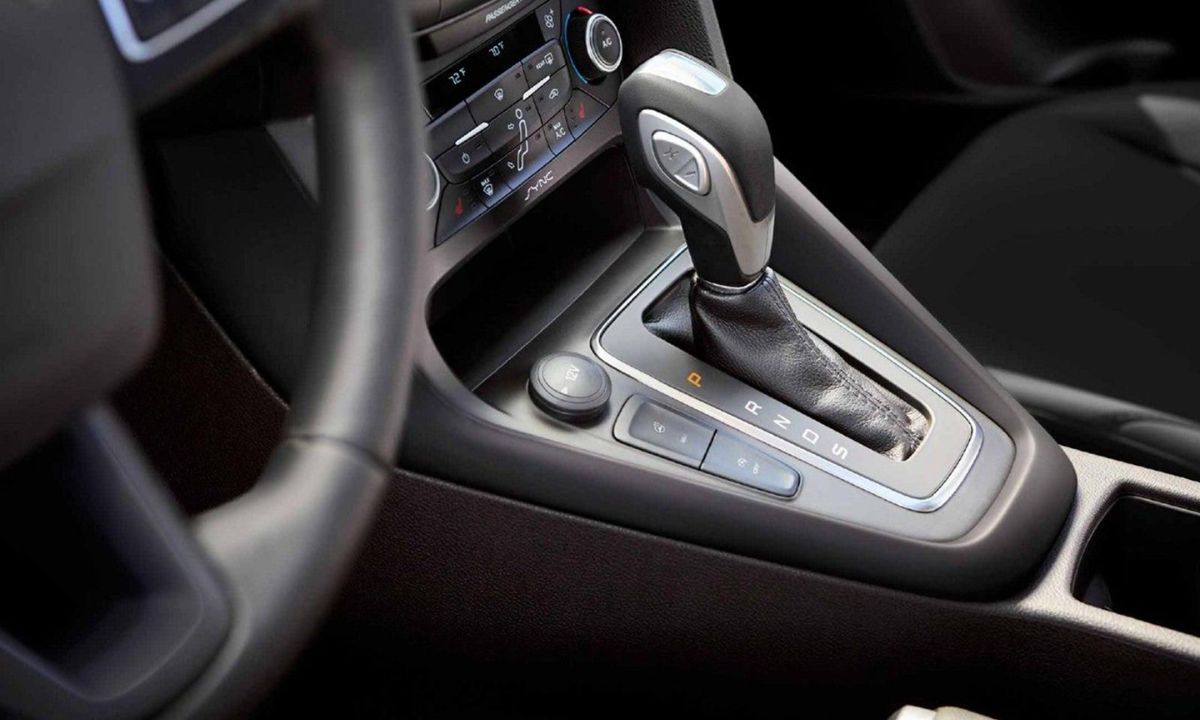
The Ford 10R80 is a 10-speed automatic transmission co-developed by Ford and General Motors, introduced in 2017 as part of a joint engineering program. It represents a significant leap in automatic transmission technology, offering improved fuel economy, faster shift times, and broader gear ratio spread compared to the outgoing 6R80. The 10R80 is used across a wide range of Ford vehicles and has become one of the most important transmissions in Ford’s modern lineup.
Development and Background
Ford and General Motors announced their transmission co-development partnership in 2013. The 10R80 (Ford designation) shares its fundamental architecture with the GM 10L80 and 10L90, though the two manufacturers tuned the transmission independently for their respective vehicles. The ’10’ refers to the number of forward gears, ‘R’ designates rear-wheel drive or rear-biased four-wheel drive application, and ’80’ indicates the approximate torque capacity rating in Newton-meters times ten.
Technical Specifications
- Gear Count: 10 forward gears, 1 reverse gear
- Gear Ratios – 1st: 4.696
- Gear Ratios – 2nd: 2.985
- Gear Ratios – 3rd: 2.146
- Gear Ratios – 4th: 1.769
- Gear Ratios – 5th: 1.520
- Gear Ratios – 6th: 1.275
- Gear Ratios – 7th: 1.000
- Gear Ratios – 8th: 0.854
- Gear Ratios – 9th: 0.689
- Gear Ratios – 10th: 0.636
- Reverse Ratio: 4.787
- Overall Ratio Spread: 7.39:1
- Torque Capacity: Up to 800 Nm (590 lb-ft) depending on variant
- Fluid Type: Mercon ULV (Ultra Low Viscosity)
- Fluid Capacity: Approximately 13.1 quarts (12.4 liters) total fill; drain and fill approximately 6 quarts
- Weight (dry): Approximately 105 kg (231 lbs)
- Clutch Packs: 5 clutch packs, no traditional bands
- Planetary Gearsets: 4 simple planetary gearsets
- Torque Converter: Lockup torque converter with torsional vibration damper
- Pan Material: Stamped steel
- Control System: Electronic, integrated Transmission Control Module (TCM)
Vehicle Applications
- Ford F-150 (2017–present): 2.7L EcoBoost V6, 3.5L EcoBoost V6, 5.0L V8, 3.3L V6
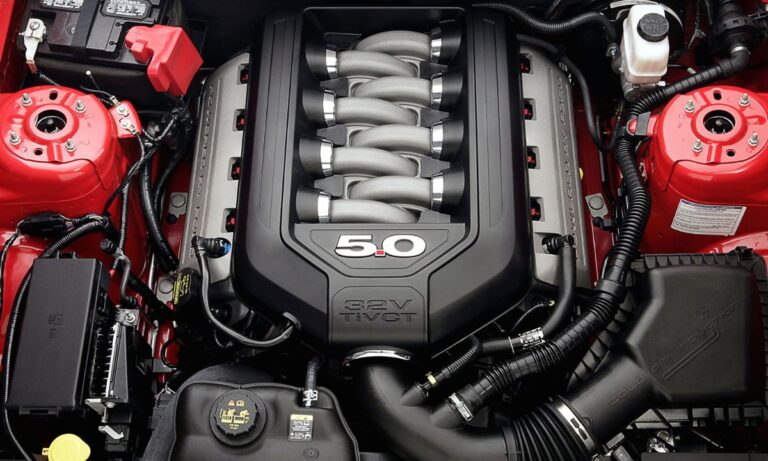
- Ford Mustang GT (2018–present): 5.0L Coyote V8
- Ford Mustang Shelby GT500 (2020–present): 5.2L Predator supercharged V8 (Tremec TR-9070 DCT used instead – note: GT500 uses DCT, not 10R80)
- Ford Expedition (2018–present): 3.5L EcoBoost V6
- Ford Explorer (2020–present): 2.3L EcoBoost, 3.0L EcoBoost ST
- Ford Ranger (2019–present, select markets): 2.3L EcoBoost
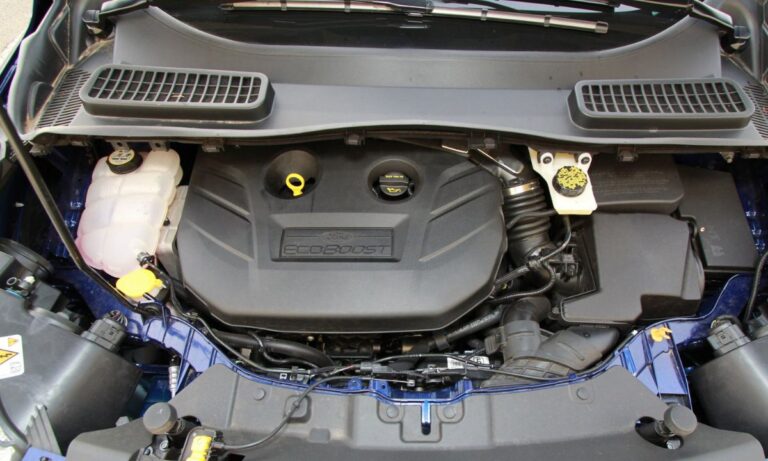
- Ford Bronco (2021–present): 2.3L EcoBoost, 2.7L EcoBoost
- Lincoln Navigator (2018–present): 3.5L EcoBoost V6
- Lincoln Aviator (2020–present): 3.0L EcoBoost V6
Common Issues and Problems
- Harsh or jerky low-speed shifts (1st–3rd gear): Reported extensively on 2017–2019 F-150 and Mustang models; Ford issued multiple TSBs and software calibration updates to address shift quality
- Shudder during torque converter lockup: Often related to fluid contamination or incorrect fluid type; requires Mercon ULV specifically
- Delayed engagement from Park or Neutral: Can indicate low fluid level, worn clutch packs, or TCM calibration issue
- Hunting between gears (gear hunting): Transmission shifts up and down repeatedly at steady speeds; addressed via PCM/TCM reprogramming
- Clunk on acceleration: Driveline lash combined with aggressive shift scheduling; improved in later software revisions
- Fluid leaks at pan gasket or output shaft seal: Inspect regularly, especially on high-mileage units
- TCM software faults: Multiple TSBs released by Ford between 2017 and 2023 addressing shift logic recalibration
Ford TSBs Related to the 10R80
- TSB 18-2158: Harsh 1–2 or 2–1 shifts on F-150 – PCM calibration update
- TSB 19-2144: Shudder, surge, or hesitation during light throttle – torque converter clutch engagement calibration
- TSB 20-2039: Shift quality improvements for Bronco and Ranger applications
- TSB 17-0038: Early 10R80 shift harshness on 2017 F-150 and Mustang – initial software revision
Fluid and Maintenance Requirements
- Approved fluid: Mercon ULV only – using any other ATF will cause shudder, shift harshness, and long-term damage
- Ford service interval: Ford designates the 10R80 as a ‘lifetime fill’ under normal conditions, but most transmission specialists recommend a drain and refill every 60,000–80,000 miles under normal use, and every 30,000–40,000 miles under severe duty (towing, off-road, hot climates)
- Fluid change procedure: Drop pan, replace filter (internal spin-on style), clean pan, reinstall with new gasket, refill with Mercon ULV to correct level with fluid at operating temperature
- Overfilling warning: Overfilling the 10R80 causes aeration of fluid and can lead to erratic shifts and overheating
Performance and Tuning Considerations
- The 10R80 responds well to custom TCM tuning, particularly on the Mustang GT platform where aftermarket calibration can dramatically improve shift speed and firmness
- Valve body upgrades and billet input shafts are available for high-horsepower builds exceeding 700 hp
- The stock 10R80 in the Mustang GT handles up to approximately 650–700 lb-ft reliably with proper tuning and fluid maintenance
- Shift kits are available from suppliers such as Sonnax to improve clutch apply rate and reduce slip time