How to quickly and safely enter service mode on Ford: wipers, electronic handbrake and other useful functions

Service mode on Ford vehicles gives you easy access to important components for DIY maintenance. You can raise the windshield wipers to a vertical position, disable the electronic parking brake for pad replacement, or run system diagnostics without risk. These procedures work on most models and require no special tools. Knowing simple button and pedal combinations will save you time and money on workshop visits. Many owners of Ford Focus, Kuga or Explorer use them regularly when changing consumables. Proper use of service mode extends component life and keeps your car safe.
Service mode for wipers: easy blade replacement
Raising the wipers makes inspection and replacement much simpler, especially in winter or after heavy dirt buildup. The whole process takes less than 30 seconds and works on nearly all Ford models.
- Turn off the ignition.
- Move the wiper stalk down to the single wipe position and hold it for 3–5 seconds.
- The blades will rise vertically to the top of the windshield.
- To exit, simply turn the ignition on and return the stalk to its normal position.
This method works on Ford Focus, Fiesta, Mondeo, Kuga, Escape, Edge and Explorer. On newer models with rain sensors, first disable the automatic wiper mode. If the blades do not respond, repeat the ignition cycle: turn on for 1–2 seconds and turn off immediately.
Service mode for electronic parking brake: preparation for brake service
The electronic parking brake on modern Fords locks the rear calipers. Without service mode (also called maintenance or brake service mode) you cannot fully retract the pistons to fit new pads. This mode safely disables the system and prevents damage.
General procedure for most models with electronic handbrake (Focus, Mondeo, Kuga, Escape, Explorer, F-150, Edge):
- Park the car on a level surface and turn off the ignition.
- Press and hold the brake pedal all the way down.
- Hold the parking brake button in the release (down) position.
- Turn the ignition on (do not start the engine), turn it off, then turn it on again within 5 seconds.
- Continue holding the pedal and button for another 10 seconds.
- A service mode message will appear on the dashboard and the brake indicator will flash.
After finishing brake work, exit the mode: turn on the ignition, hold the gas pedal and pull the brake button up (apply position), then repeat the on-off cycle. The system will automatically apply and release the brake to calibrate the gap.
Model-specific notes:
- Focus, Fiesta, C-Max — standard cycle with stalk or button.
- Mondeo, Fusion — hold the button down longer, up to 10 seconds after the second ignition cycle.
- Kuga, Escape — same procedure, especially important with electronic brake booster.
- Explorer, Expedition — identical steps, the panel clearly shows “Maintenance Mode”.
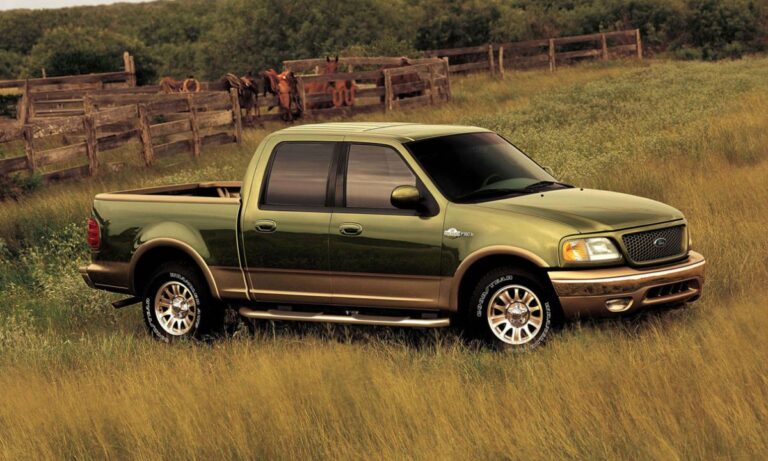
- F-150 — same order for the pickup, make sure the transmission is in Park.
Other useful service modes
Ford has several hidden functions for owner convenience:
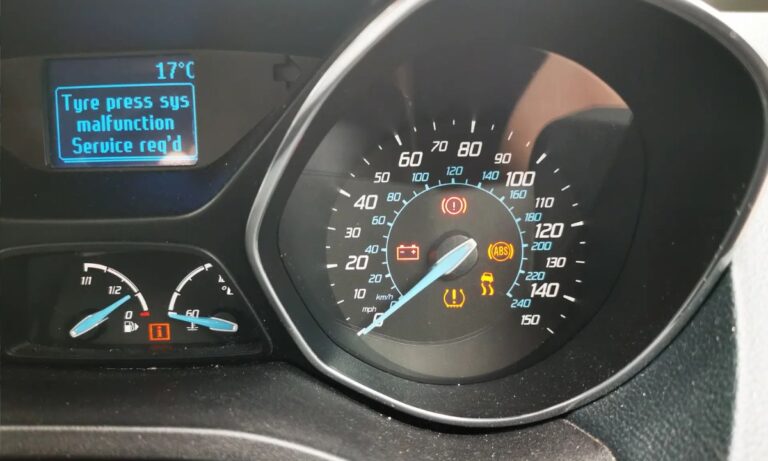
- Instrument cluster self-test — hold the trip reset button and turn on the ignition. All needles will sweep fully, then you can scroll through parameters (fuel level, error codes, etc.). Works on Focus, Mondeo, Fiesta.
- Sensor calibration and tests — available through steering wheel buttons or SYNC menu on supported models.
- Transport or dealer mode — mainly used by workshops, but owners sometimes apply it for long-term storage.
These modes put real control in the hands of the owner without needing a dealer visit.
Safety recommendations
Always work on a flat surface with the parking brake applied until you enter service mode. After finishing, double-check that all systems have returned to normal — test the wipers and handbrake at low speed. If any warning message remains, turn the ignition off for 2–3 minutes and repeat the exit procedure. Use these functions regularly during seasonal maintenance to prevent mechanisms from seizing. When in doubt, refer to your specific model’s owner manual, but the basic combinations are universal across most Ford vehicles.
These simple tricks make car care easier and more interesting. You save time and gain a better understanding of your Ford, whether it is a Focus, Explorer or F-150.