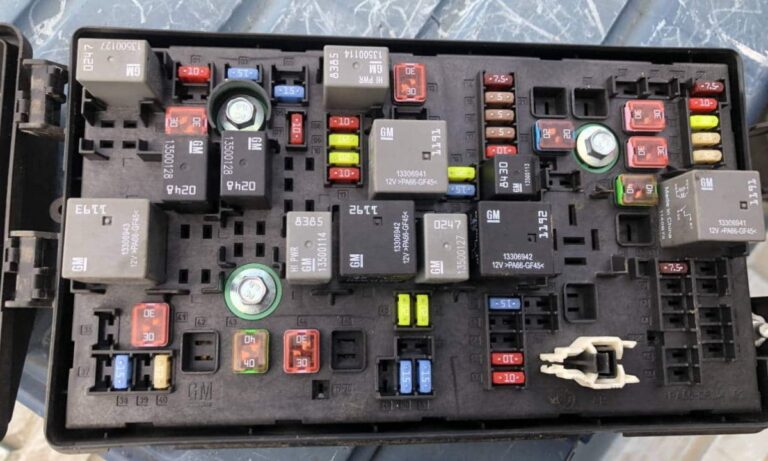
GM LM7 5.3L Vortec (Gen III LS) – brief history, specs, strengths & weak issues
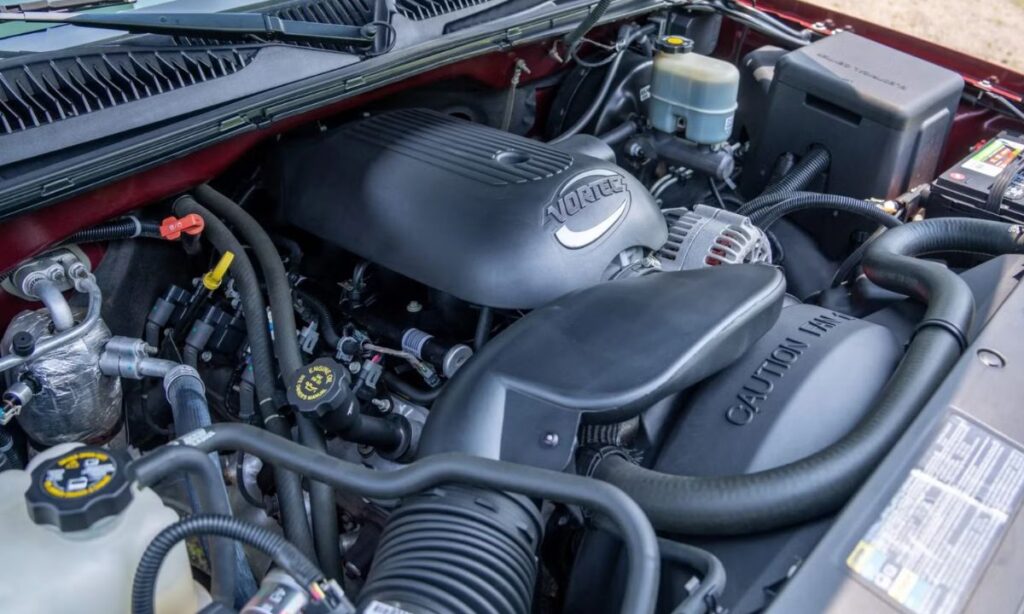
The LM7 is one of the most widespread and longest-lived small-block V8 engines in GM’s history. Part of the Gen III LS family, it powered millions of trucks, SUVs and vans from 1999 to 2007 and remains extremely popular in the aftermarket and swap community today.
Quick History
- Introduced in 1999 for the 2000 model year
- Replaced the older Gen II 5.7L Vortec (L31) in full-size GM trucks
- Used across Chevrolet Silverado 1500 / 2500, GMC Sierra, Tahoe, Yukon, Suburban, Avalanche, Express / Savana vans
- Produced until 2007 (some 2007 models still had LM7 while newer 5.3s switched to Gen IV)
- Nicknamed “LM7” after its RPO code; also known as “5.3 Vortec” or “iron-block 5.3 LS”
The LM7 was the volume leader of the early LS era – affordable, reliable, and easy to find in wrecked trucks.
Key Specifications
- Displacement: 5,327 cc (5.3 liters)
- Configuration: 90° V8, pushrod OHV, 2 valves per cylinder
- Block: Cast iron (stronger and heavier than aluminum versions)
- Heads: Aluminum (some early castings had 862 or 706 casting numbers)
- Bore × Stroke: 96 mm × 92 mm
- Compression ratio: 9.5:1 (most years)
- Fuel system: Sequential multi-port fuel injection
- Power output:
- 285–295 hp @ 5,200 rpm (peak around 2002–2007)
- 325–335 lb-ft @ 4,000 rpm
- Redline: ~5,500–5,600 rpm (soft limiter)
- Oil capacity: 6 quarts with filter
Early versions (1999–2000) used a different cam and slightly lower output; 2001+ models received the improved LS6-style intake and better cam profile.
Strong Points
- Extremely durable iron block – handles boost very well (many owners safely run 10–15 psi on stock internals)
- Massive aftermarket support – shares most parts with LS1/LS6/LQ4/LQ9 (cams, heads, intakes, pistons, etc.)
- Excellent low-end torque – ideal for towing (up to ~8,000–9,000 lb depending on truck)
- Very good fuel economy for its size and era – real-world 14–18 mpg highway in 2WD trucks
- Cheap and plentiful – wrecked trucks provide engines for $500–1,500 even in 2025
- Simple design – no variable valve timing, no AFM/DOD, fewer electronics to fail
- Strong rotating assembly – forged crank and powdered metal rods hold up to moderate power upgrades
The LM7 is often called one of the best “bang for buck” LS engines for swaps, boosted builds, and daily drivers.
Common Problems & Weak Points
While reliable overall, the LM7 has several well-known issues:
- Oil consumption / piston slap
Early 1999–2002 blocks sometimes suffer from excessive piston-to-wall clearance → cold-start knock (piston slap) that quiets when warm. Usually not catastrophic, but annoying. - Cracked intake manifold gaskets
Composite intake gaskets (especially 2002–2004) can crack and leak coolant into cylinders → misfires, white smoke, overheating. Upgraded gaskets or aftermarket intakes fix this. - Knock sensors fail / harness issues
Sensors mounted under the intake often corrode or break. Causes reduced power (knock retard) and poor performance. Relocation kits are popular. - Rear main seal leaks
Common on higher-mileage engines – oil leak at bellhousing. Easy to fix during clutch / transmission work. - PCV system / valley cover leaks
Plastic PCV lines and valley cover gaskets degrade → oil in intake, vacuum leaks, rough idle. - Cam position sensor / distributor-style issues
Early engines used a front timing cover sensor that can fail → no-start or misfire codes. - Exhaust manifold bolts break
Classic small-block problem – bolts seize and snap during removal. Use anti-seize on replacements.
Most of these issues are age/mileage-related rather than design flaws. With basic maintenance (regular oil changes, coolant flushes, gasket upgrades) the LM7 routinely lasts 250,000–400,000+ miles.
Summary
The LM7 5.3L Vortec remains one of the most respected and versatile Gen III LS engines. Its iron block durability, huge parts availability, strong low-end torque and low cost make it a favorite for truck owners, hot-rod builders, 4×4 swaps, and budget boosted projects. While it has a few typical small-block weaknesses, none are deal-breakers when addressed early.
If you’re looking at an LM7-powered truck or planning an engine swap, it’s still one of the smartest and most future-proof choices in the LS world.