Chevrolet won’t start: Common reasons and what to do
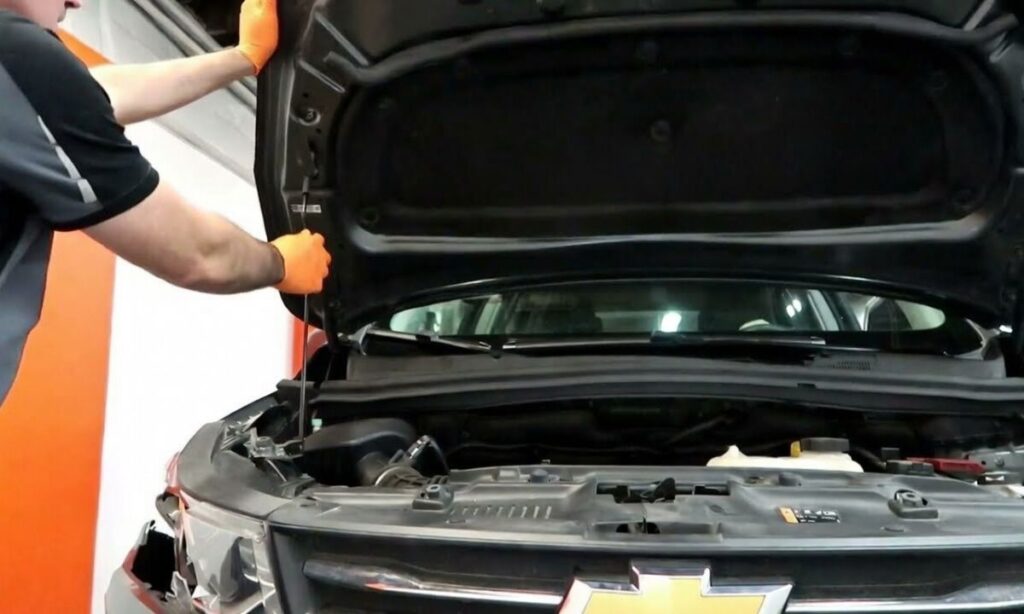
When your Chevrolet refuses to start, it can turn a simple errand into a frustrating ordeal. Whether you’re driving a rugged Silverado truck, a family-oriented Tahoe SUV, or a commuter-friendly Malibu sedan, no-start issues are among the most common complaints reported by Chevy owners. These problems can stem from something as simple as a dead battery to more complex electrical or fuel system failures. Understanding the root causes not only helps in quick diagnostics but also prevents costly breakdowns. In this guide, we’ll explore the top reasons your Chevy might not crank or fire up, drawing from mechanic insights and real-world experiences. We’ll cover symptoms, troubleshooting steps, and fixes for models across generations, from older classics like the C10 to modern ones like the 2025 Equinox EV. Remember, safety first—ensure the vehicle is in park, and if you’re unsure, consult a professional technician. Let’s break down the culprits and get you back on the road.
Diagnosing the no-start condition
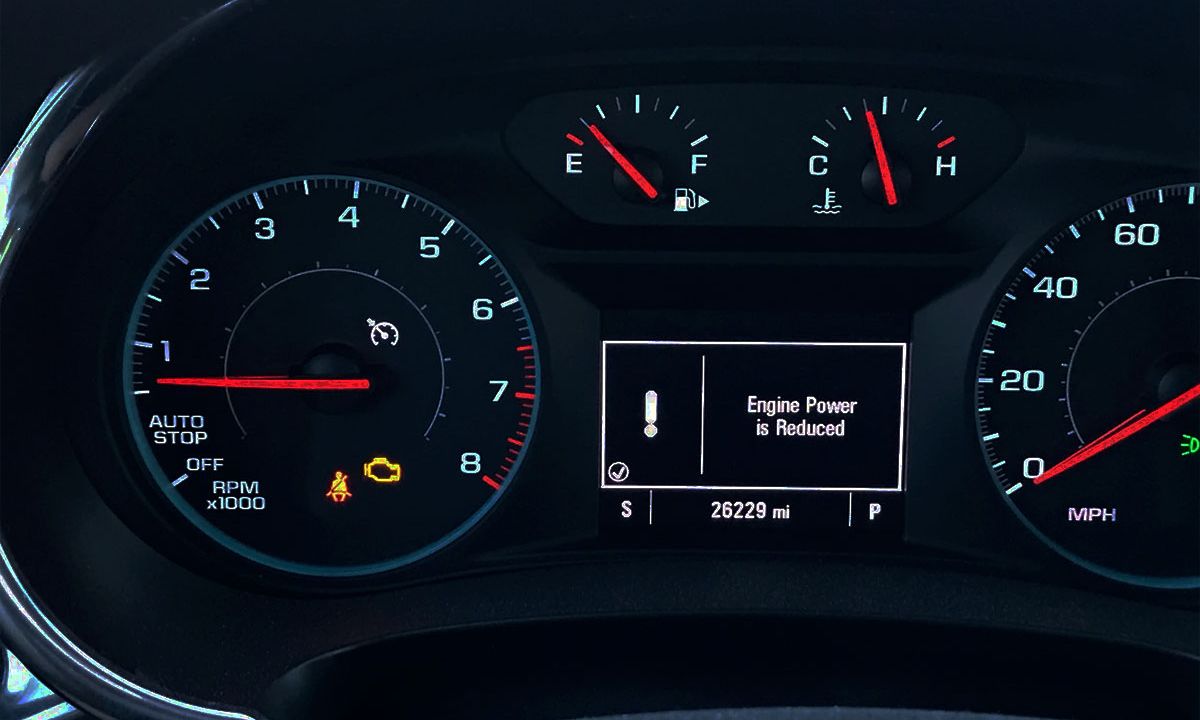
Before diving into causes, identify if it’s a no-crank (no engine turnover, just clicks or silence) or crank-but-no-start (engine turns but doesn’t fire). This distinction narrows possibilities: no-crank often points to electrical issues, while crank-but-no-start suggests fuel, spark, or sensor problems. Use a multimeter for voltage checks and an OBD-II scanner for codes in post-1996 models. Common across Chevrolets like the Cruze, Camaro, or Colorado, these symptoms affect gas, diesel, and hybrid variants differently, with diesels like the Duramax adding glow plug concerns.
Common reasons your Chevrolet won’t start
Based on service records and forums, here are the primary offenders, explained with symptoms and affected models.
- Dead or weak battery: The top culprit, accounting for over 40% of no-start cases. Symptoms include dim lights, slow cranking, or complete silence when turning the key. In models like the Silverado 1500 or Tahoe, cold weather exacerbates this, dropping voltage below 12.4V needed for startup. Corroded terminals or a faulty alternator (not recharging) compound the issue. Hybrids like the Volt may have separate 12V batteries failing independently of the high-voltage pack.
- Faulty starter motor or solenoid: If you hear a clicking noise but no crank, the starter—responsible for turning the engine—might be bad. Grinding sounds indicate worn gears. Common in high-mileage Chevys like the Equinox or Traverse, where starters endure frequent use. Solenoid failures, often from heat soak in V8-powered Camaros, prevent engagement.
- Fuel system issues: No fuel delivery equals no start. Clogged fuel filters, failed pumps (listen for no whine in the tank), or bad injectors starve the engine. In older Impalas or newer Blazers, contaminated gas or low pressure (below 50 PSI) triggers this. Diesel Silverados with Duramax engines may face air intrusion or frozen fuel lines in winter.
- Ignition system problems: Faulty spark plugs, coils, or switches prevent combustion. Symptoms: cranks but no fire, especially in wet weather. Affects sporty models like the Corvette or SS, where high-performance ignition wears faster. Key fob issues in push-start systems (e.g., 2020+ Malibu) can mimic this if the battery dies.
- Sensor or ECU failures: Modern Chevys rely on sensors like crankshaft position (CKP) or camshaft for timing. A bad CKP causes no-start with codes like P0335. ECU glitches from water damage or software bugs hit electronic-heavy models like the Bolt EV. Anti-theft systems (Passlock in older Trailblazers) may immobilize the engine if triggered.
- Out of gas or wrong fuel: Surprisingly common—gauge failures in Colorados lead to empty tanks. Diesel models suffer if gas is accidentally added, requiring a full flush.
- Overheating or seized engine: Rare but serious; low oil in high-revving Camaros can seize pistons, preventing cranking. Overheat damage warps components.
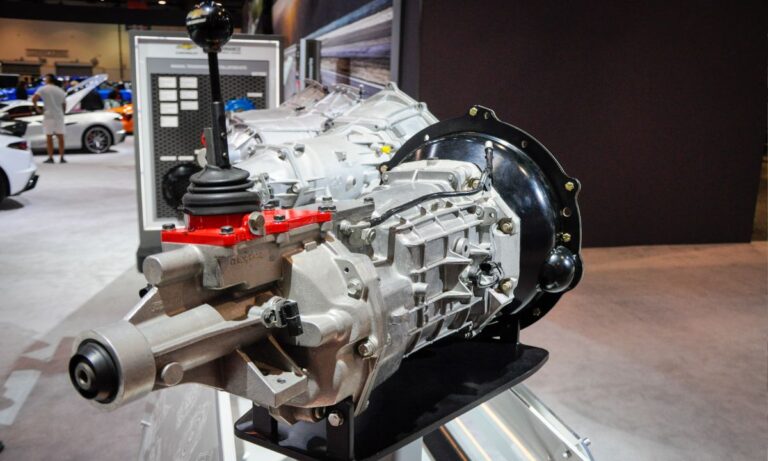
- Transmission or neutral safety switch issues: If in gear or the switch fails, the vehicle won’t start for safety. Affects automatics in Suburbans.
- Exhaust or emissions blockages: Clogged catalytic converters in Cruzes restrict flow, mimicking no-start by backpressuring the engine.
These issues span generations, with older carbureted models (pre-1990s) more prone to fuel problems and newer ones to electronics.
What to do when your Chevrolet won’t start
Troubleshooting systematically saves time and money. Start with basics and escalate.
- Check the battery: Use a voltmeter—should read 12.6V+ fully charged. Jump-start if low; clean terminals with baking soda solution. Replace if over 4 years old. For no-crank, tap the starter while trying—temporary fix indicating solenoid wear.
- Inspect fuel system: Ensure the tank has gas; listen for pump prime (key to ON). Replace filter if clogged (every 30,000 miles). For diesels, bleed air from lines after filter changes.
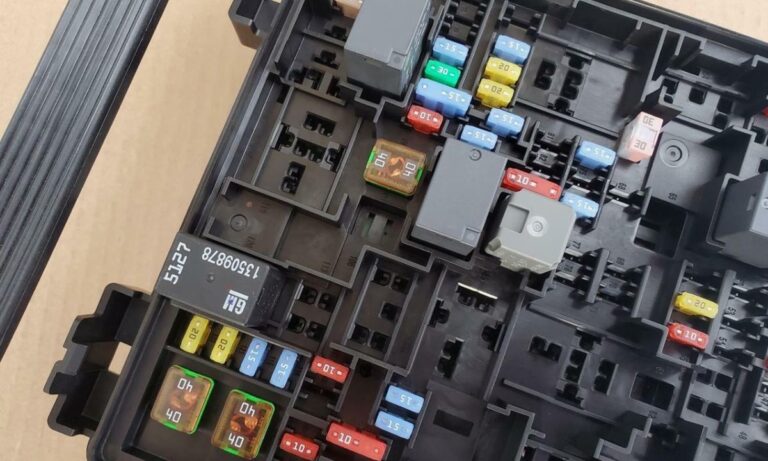
- Test ignition: Swap plugs/coils if cranking but no start. Check fuses/relays in the underhood box—common failures in Silverados.
- Scan for codes: Use an OBD-II reader (under $20) for post-1996 models. P-codes like P0300 (misfire) guide fixes.
- Verify security system: Cycle key off/on multiple times or use spare fob to reset anti-theft.
- Examine starter: Bench-test or replace if clicking (around $200 DIY). Heat shields help in hot climates.
- Address sensors: Clean CKP/MAF with electronics spray; replace if faulty (CKP ~$50).
- Professional help: If DIY fails, tow to a Chevy dealer—diagnostics cost $100-150, catching ECU or wiring issues.
Preventive maintenance like annual battery tests and fluid changes minimizes occurrences. For EVs like the Bolt, software updates via app can resolve “no-start” glitches.
In essence, most Chevy no-starts are fixable with basic tools, but persistent problems warrant expert intervention. By addressing these promptly, you preserve your vehicle’s reliability—after all, Chevrolets are built to last when cared for properly.