Chevrolet Check Engine light on: causes and what to do
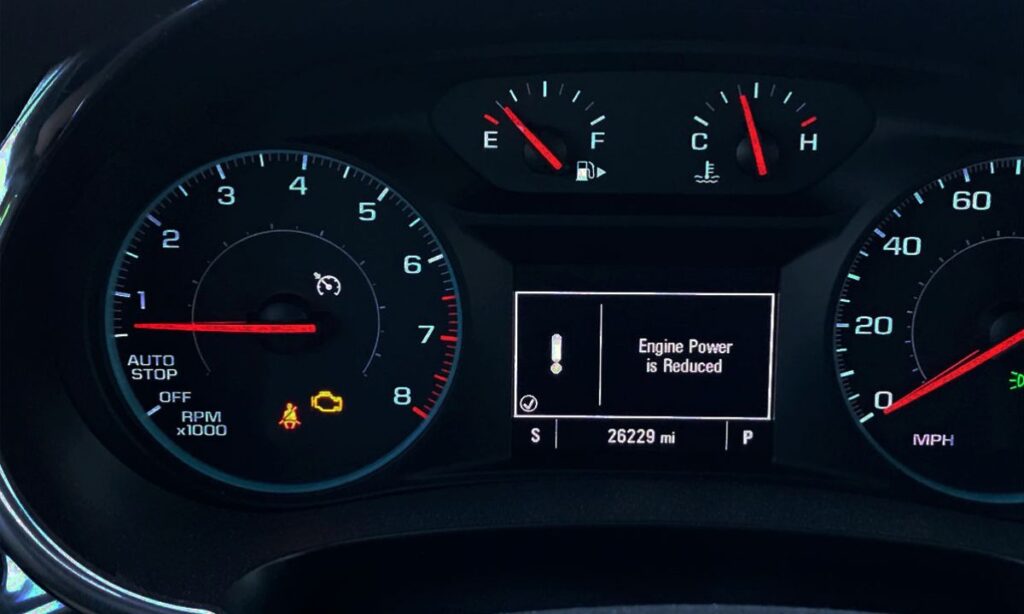
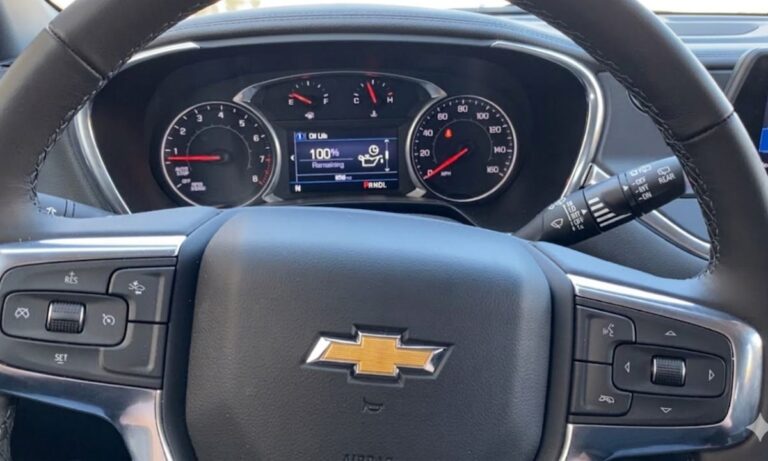
You’re cruising in your Chevrolet — Malibu, Silverado, Cruze or any other model — and suddenly the yellow engine icon lights up on the dashboard. The check engine light (CEL), also called the Malfunction Indicator Lamp (MIL), has come on. Many owners immediately worry: is the engine about to die? Will I lose power on the highway? In most cases it’s not an emergency, but ignoring the light can lead to worse fuel economy, failed emissions tests, or expensive damage (especially to the catalytic converter).
The light is part of the OBD-II system that has been standard on all Chevrolet vehicles sold in the US since 1996. The engine control module constantly checks dozens of sensors and systems. When something is out of range — a misfire, a lean/rich mixture, an EVAP leak or a faulty sensor — it stores a diagnostic trouble code and turns on the warning lamp. In GM engines (Ecotec, LS, Vortec, etc.) this system is especially sensitive to emissions and long-term reliability.
How the light behaves and what it means
- Steady light → non-critical fault detected. Usually safe to drive short distances, but get it diagnosed soon.
- Flashing light → serious problem (most often a strong misfire). Unburned fuel can destroy the catalytic converter very quickly. Slow down, avoid load and acceleration, and head to service — often better to tow.
Most common reasons the light comes on in Chevrolet vehicles
- Loose, cracked or missing gas cap → the #1 cause. The EVAP system detects a vapor leak after refueling if the cap is not tightened properly. Very often the light goes off by itself after 50–100 km of normal driving once the cap is fixed.
- Bad oxygen (O2) sensors → they monitor exhaust gases and help adjust the fuel mixture. Over time they get contaminated or fail from heat. A faulty sensor causes poor economy, rough running and can kill the catalytic converter.
- Catalytic converter problems → usually secondary damage from misfires, oil burning (common in high-mileage V8s) or bad sensors. You may notice a rotten-egg smell, sluggish acceleration and much worse MPG.
- Ignition issues (spark plugs, coils) → worn plugs or failing coil-on-plug packs cause misfires. Especially frequent in AFM engines (Silverado, Tahoe, Suburban) where lifter or oil-pressure problems add trouble.
- Dirty or failed MAF sensor → measures incoming air. Dust or a clogged air filter distorts readings → hesitation, rough idle, black smoke.
- Other frequent causes → EVAP leaks (hoses, purge valve), PCV issues (Cruze, Malibu), turbo problems (turbo models), clogged injectors from low-quality fuel, thermostat or coolant temperature sensor failures.
Symptoms that usually appear together with the light
- Worse fuel consumption
- Rough idle or hesitation on acceleration
- Engine shaking / misfire feeling
- Reduced power (“limp mode”)
- Rotten eggs or raw fuel smell from exhaust
- Black smoke
- Hard starting or stalling
What to do right away
- If flashing or power loss — pull over safely and arrange towing.
- Tighten the gas cap firmly (listen for clicks). Drive normally 50–100 miles — sometimes the light clears itself.
- Write down symptoms, recent refueling, noises — this helps diagnosis.
- Avoid heavy acceleration, towing or long trips until checked.
- Book a scan within 1–2 days (for steady light).
Simple checks you can do yourself
- Replace or tighten the gas cap if damaged.
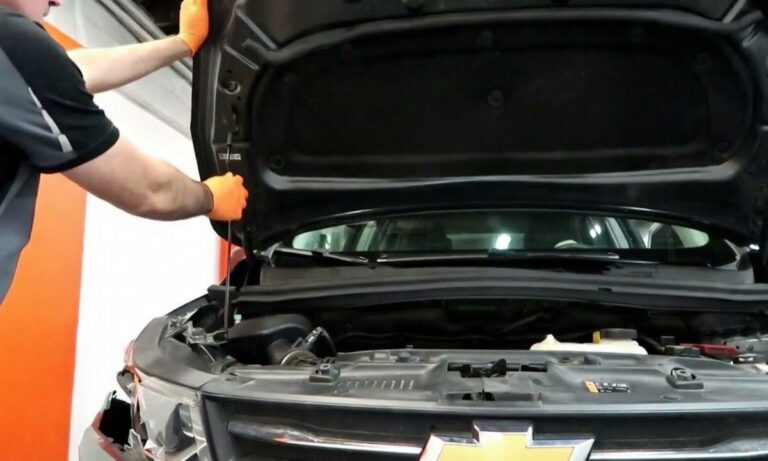
- Look under the hood for obvious loose hoses or disconnected connectors (when engine is cold).
- Buy a cheap OBD-II scanner → read codes (P0171, P0300, P0420 are very common). Freeze-frame data shows conditions when the fault appeared.
- Change a very dirty air filter — it directly affects the MAF.
- Do not keep clearing codes without fixing the cause — they will return.
When you need a professional
A basic scanner shows the code, but not always the real reason. Many faults need live data, smoke test for EVAP leaks, coil stress tests or checking for GM technical service bulletins. Dealerships or good independent shops with GM-compatible tools give the most accurate result, especially on newer models or vehicles under warranty.
How to prevent the light in the future
- Follow Chevrolet maintenance schedule (especially oil changes with correct viscosity).
- Change spark plugs, coils, air filter and O2 sensors at recommended mileage.
- Use good gasoline from trusted stations.
- Keep cooling system in order (thermostat, coolant).
- For AFM trucks — pay extra attention to oil quality and change intervals.
- Avoid lots of short cold trips that prevent emissions monitors from completing.
Prompt attention to the check engine light helps keep your Chevrolet reliable, economical and emissions-legal for many more miles — whether daily commute, long hauls or weekend adventures.