Chevrolet wheel bolt pattern: how to choose the right wheels and avoid road problems
The correct bolt pattern on Chevrolet wheels directly affects safety, handling, and suspension life. One wrong choice can cause vibrations, rapid tire wear, or even the risk of losing a wheel. This article breaks down the key parameters for popular models, explains how to measure them yourself, and shows why the center bore is just as important as the number of bolts.
What is wheel bolt pattern and why it matters
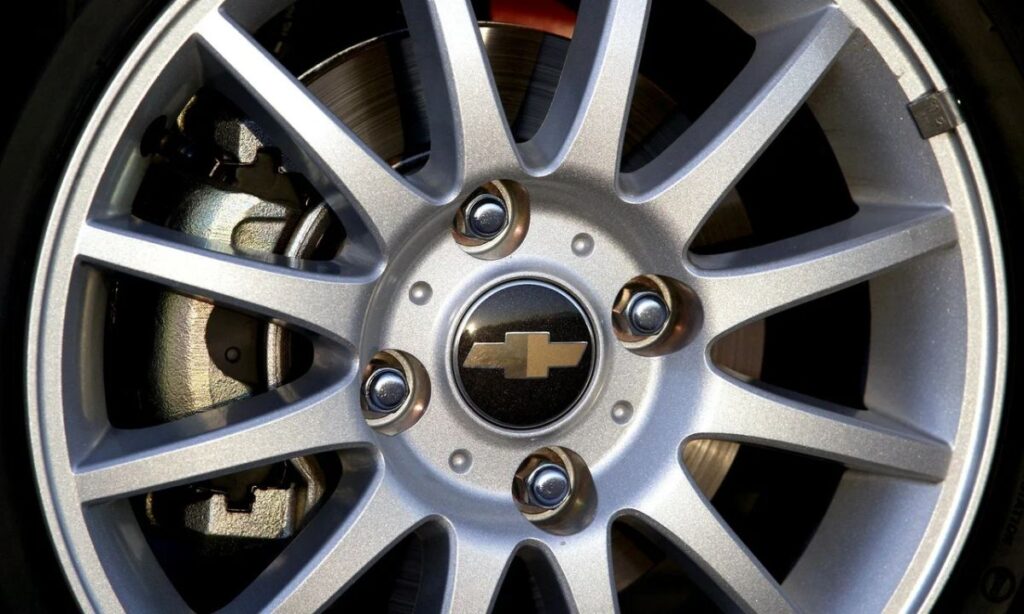
Bolt pattern (PCD) is the number of mounting holes and the diameter of the circle on which they are located. It is marked as 5×115 or 6×139.7. You also need to consider the center bore (CB), wheel offset (ET), and stud thread. Even a slight mismatch in one parameter leads to improper seating, runout, and brake issues. Knowing these details helps you confidently select both original and high-quality aftermarket wheels.
How to determine Chevrolet bolt pattern yourself
Measure the distance between the centers of adjacent holes with a caliper. For 4-bolt wheels, multiply by 1.414. For 5-bolt wheels, multiply by 1.701. Compare the result with the reference data. Check the center bore — it should match or be slightly larger (use centering rings if needed). Also note the thread size, usually M12x1.5 or M14x1.5 depending on the model. This method lets you select wheels accurately and safely.
Bolt pattern for popular Chevrolet passenger cars
Many Chevrolet sedans and hatchbacks use compact and reliable patterns.
- Chevrolet Cruze — 5×10⁵ or 5×115 depending on the generation. Center bore 56.1–57.1 mm. Perfect for dynamic driving and lightweight alloy wheels.
- Chevrolet Aveo — most often 4×100 or 5×114.3. Light parameters provide excellent city maneuverability.
- Chevrolet Malibu — 5×115. Great balance for comfortable mid-size sedans.
- Chevrolet Spark — 4×100. Simple and common pattern for compact cars.
- Chevrolet Cobalt — 5×10⁵. Matches factory suspension settings well.
These options make it easy to find suitable wheels in sizes from 14 to 17 inches.
Bolt pattern for Chevrolet crossovers and SUVs
Crossovers need stronger mountings due to higher loads.
- Chevrolet Equinox — 5×115. Ensures stability on highways and light off-road.
- Chevrolet Traverse — 5×115. Ideal for family trips with full loading.
- Chevrolet Trax — 5×10⁵ or 5×114.3. Compact size works great in urban conditions.
- Chevrolet Captiva — 5×115 or 6×139.7 in higher versions. Versatile for different driving styles.
These patterns handle vehicle weight and provide reliable grip.
Bolt pattern for Chevrolet pickups and full-size SUVs
Heavy-duty and off-road models use reinforced fixings.
- Chevrolet Silverado 1500 — 6×139.7. Classic for pickups, guarantees strength during towing and hauling.
- Chevrolet Silverado 2500 HD / 3500 HD — 8×165.1 or 8×180. Powerful options for tough conditions.
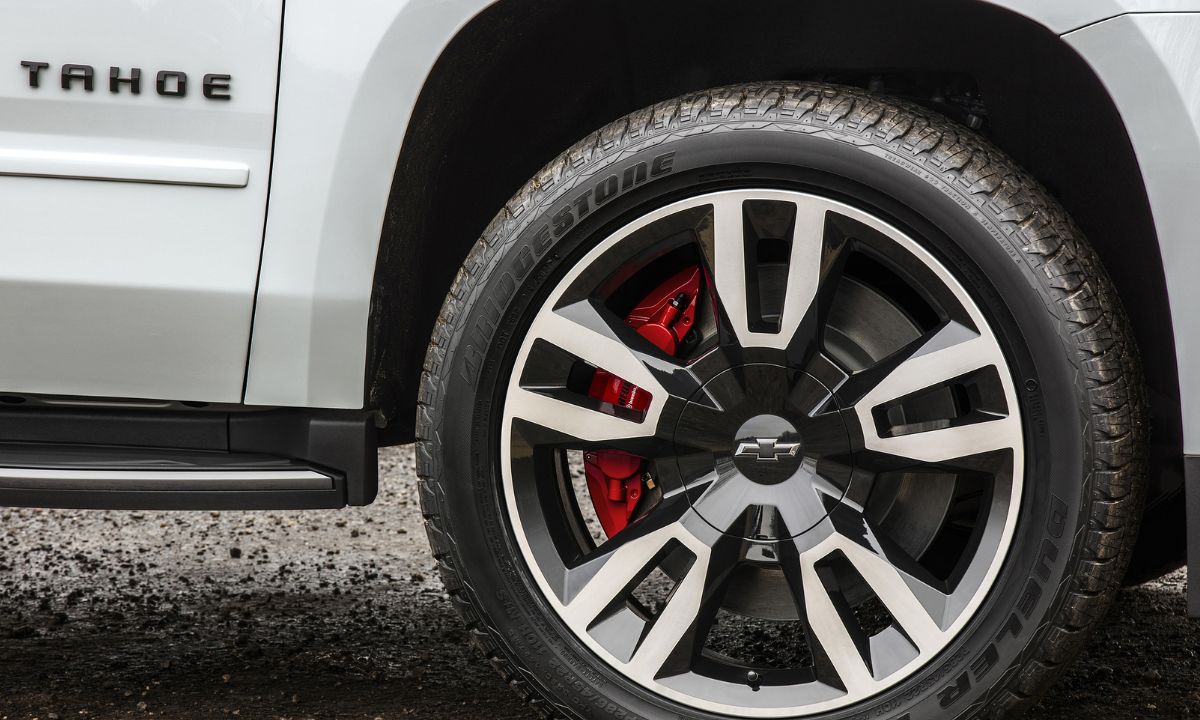
- Chevrolet Tahoe / Suburban — 6×139.7. Excellent stability at high speeds and during maneuvers.
- Chevrolet Colorado — 6×139.7. Good balance between off-road capability and comfort.
These specifications allow installation of larger wheels without losing reliability.
Features of Chevrolet sports and classic models
- Chevrolet Corvette — 5×120.65 (early) or 5×120 (modern). Special pattern for high speeds and precise handling.
- Chevrolet Camaro — 5×120.65. Ideal for aggressive driving style.
- Chevrolet Blazer — 6×139.7 or 5×120.65 depending on generation and drivetrain.
Useful tips for choosing and installing wheels
Choose wheels with a center bore equal to or larger than stock and use centering rings. The ET offset should stay close to the original to avoid disturbing suspension geometry. After installation, always balance the wheels and re-torque the bolts after 100–200 km. Regularly check fasteners, especially after driving on rough roads. Also ensure compatibility with brake components — minor caliper modifications may sometimes be required.
Understanding Chevrolet bolt patterns opens wide possibilities for tuning and improving appearance without compromising safety. Approach selection thoughtfully, measure the parameters, and rely on verified data for your specific model. This way your Chevrolet will serve reliably for a long time and deliver driving pleasure on every trip.