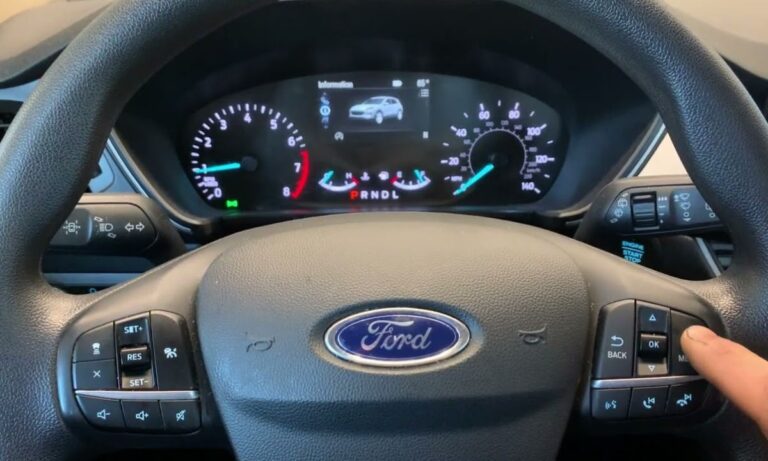
Ford Edge: full review of generations with specs, pros and cons
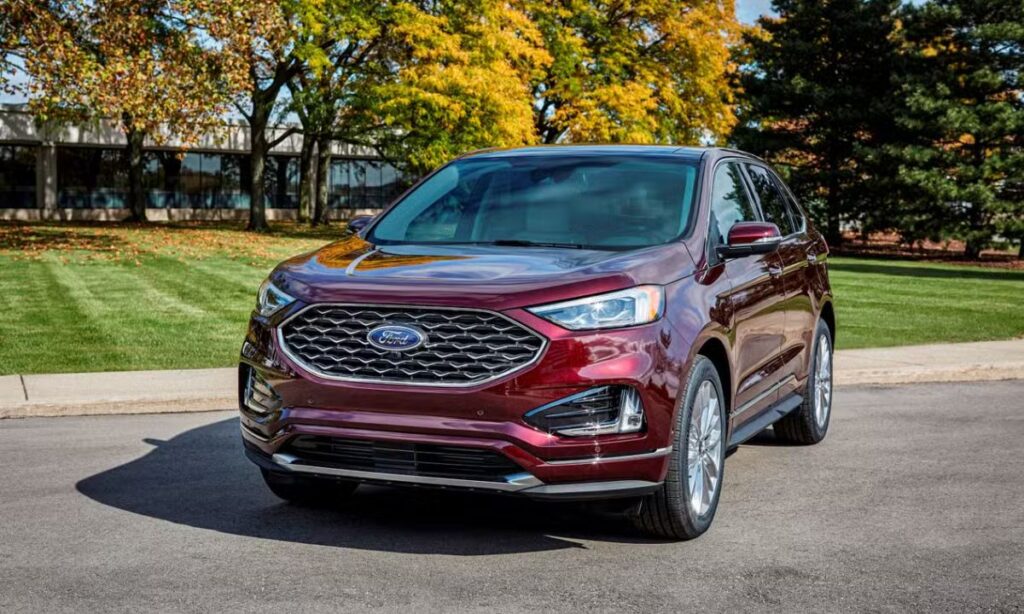
Ford Edge stands out among mid-size crossovers with its comfortable cabin, powerful engines, and confident road manners. Many drivers choose it for family-friendly space, strong performance, and solid reliability when properly maintained. The model successfully combines the practicality of a station wagon with light off-road capability, offering front- or all-wheel drive options. This review covers the evolution of both generations, key specifications, real advantages and disadvantages to help you make an informed decision.
First generation Ford Edge
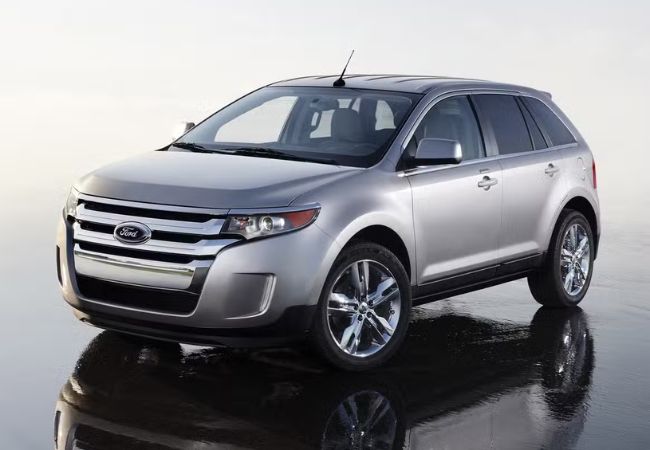
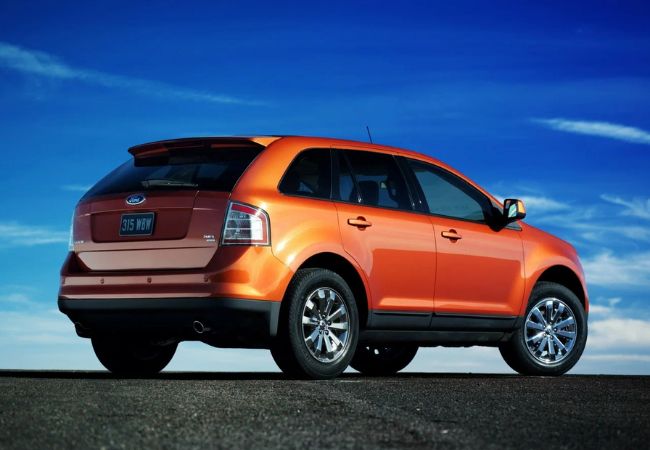
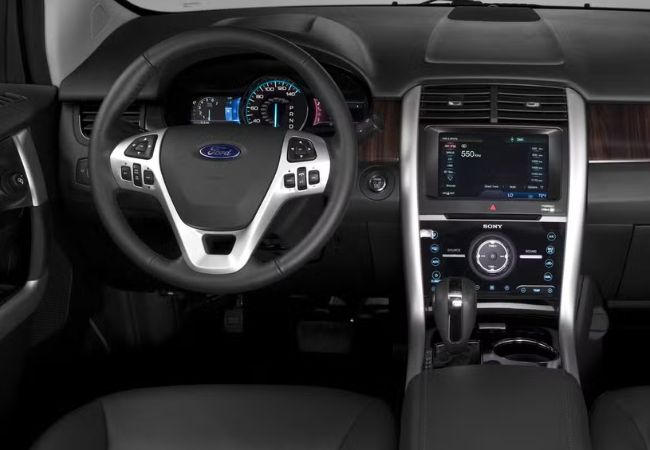
This generation established the model as a comfortable five-seat crossover suitable for both city and highway driving. It is built on a car-like platform, delivering easy handling similar to a sedan.
Main specifications:
- Engines: 3.5L V6 producing 265-285 hp, later 3.7L V6 up to 305 hp in sport versions, plus 2.0L turbo.
- Transmission: 6-speed automatic.
- Drive: front or all-wheel.
- Dimensions: length around 4700 mm, wheelbase 2824 mm, ground clearance about 200 mm.
- Cargo volume: up to 69 cubic feet with rear seats folded.
Advantages:
- Spacious and comfortable interior with plenty of legroom for rear passengers.
- Powerful and durable V6 engines with smooth acceleration.
- Compliant suspension that absorbs road imperfections well.
- Good noise insulation at highway speeds.
- Practical trunk for daily use and weekend trips.
Disadvantages:
- High fuel consumption on atmospheric V6 engines.
- Some electrical issues in early examples.
- Limited visibility due to thick body pillars.
- Steering not as sharp as in more sport-oriented rivals.
The first generation is still appreciated for its engine longevity and balanced overall qualities.
Second generation Ford Edge
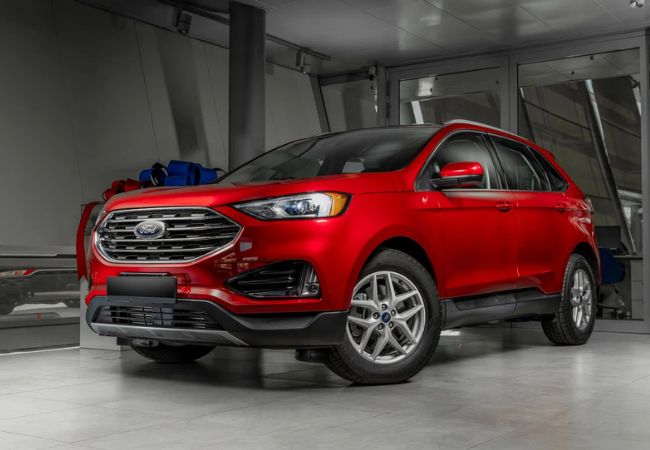
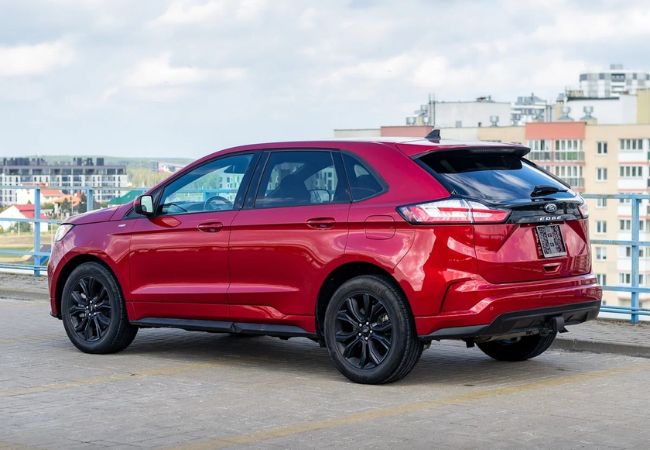
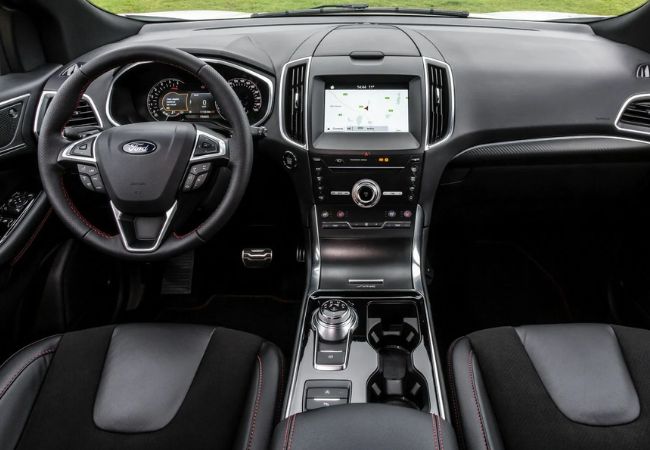
The updated model received fresher styling, a more spacious cabin, and an expanded range of turbocharged engines. Body rigidity increased, improving handling and safety.
Main specifications:
- Engines: 2.0L turbo EcoBoost around 250 hp, 3.5L V6 around 280 hp, 2.7L twin-turbo V6 up to 335 hp in ST versions.
- Transmission: 6- or 8-speed automatic.
- Drive: mostly all-wheel in later years.
- Dimensions: length around 4800 mm with noticeably more interior space.
- Cargo volume: up to 73 cubic feet.
Advantages:
- Stronger dynamics and quicker acceleration thanks to turbo engines.
- More room for passengers and luggage compared to the previous generation.
- Modern driver assistance systems and infotainment.
- Smooth and comfortable ride quality.
- Strong resale value due to the model’s reputation.
Disadvantages:
- Complex electronics that may need attention over time.
- Slightly firmer suspension on large wheels in sport trims.
- Limited off-road capability beyond light trails.
- Occasional unpredictable behavior of the automatic transmission in early units.
The second generation became more technological and versatile, appealing to those who want both power and comfort in one vehicle.
Ford Edge overall delivers an excellent balance for drivers who value space, performance, and dependability. Choose the first generation if you prefer simpler construction and easier maintenance. The second generation suits those seeking modern features and stronger dynamics. Regular service helps avoid common problems and extends the life of the engine and transmission. Always have the body, electronics, and service history checked by a specialist before purchase.