
Check Engine light on Cadillac: causes, error code decoding, and reliable fixes
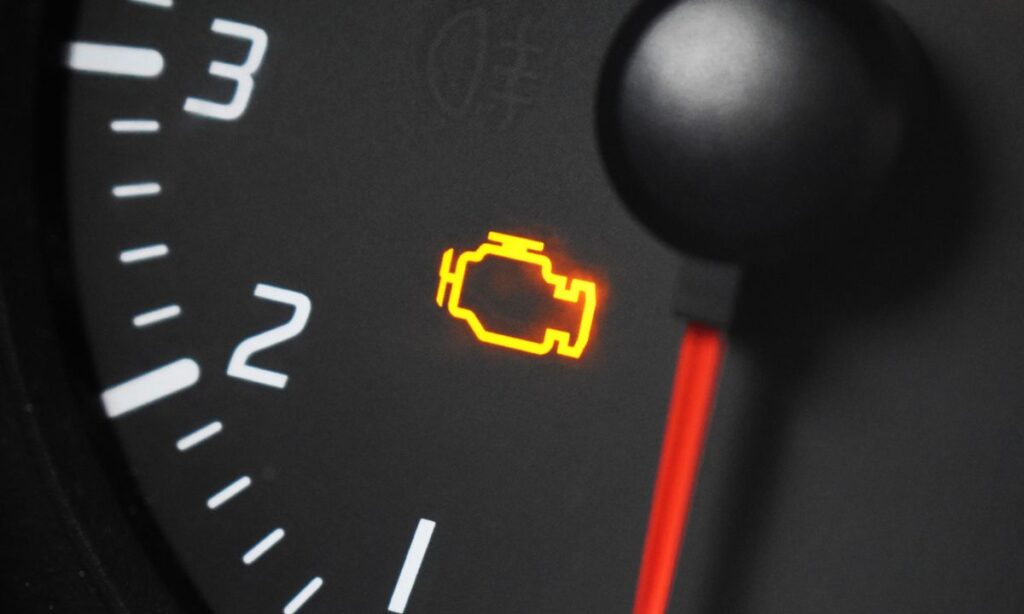
The Check Engine light came on in your Cadillac? This is the onboard computer’s alert about an issue in the engine, fuel system, or exhaust that can affect performance, fuel economy, and driving safety. Owners of Escalade, CTS, ATS, SRX, XT5, and XT6 frequently see this warning, but in most cases the problem can be resolved quickly and without major expense. Early diagnosis helps prevent costly repairs and preserves engine life. Modern Cadillacs with reliable V6 and V8 engines allow precise fault identification via OBD-II. Below we break down the most common scenarios so you can confidently handle the situation.
Why the Check Engine light activates on Cadillac
The control system detects any deviation in engine operation and notifies the driver immediately. The main triggers are a loose gas cap, worn sensors, or ignition problems. Ignoring the light is not recommended — even a minor fault can eventually lead to higher fuel consumption and reduced power. A diagnostic scanner provides the exact error code, making it easy to locate the issue. Regular maintenance of your Cadillac significantly reduces these surprises.
Most common reasons for the light coming on
- Loose or improperly closed gas cap — the simplest and most frequent cause. Fuel vapors escape, and the EVAP system registers a leak.
- Faulty oxygen sensor (lambda sensor) — becomes contaminated or fails due to high exhaust temperatures.
- Problems with the catalytic converter — becomes clogged or damaged from poor fuel quality or misfires.
- Worn spark plugs and ignition coils — cause misfires.
- Dirty mass airflow sensor (MAF) — distorts air intake data.
- Vacuum hose leaks — alter the air-fuel mixture.
- Clogged or malfunctioning fuel injectors.
- Issues in the EVAP system — vent valves and hoses.
- Engine overheating or faulty thermostat.
- Problems with camshaft timing and variable valve timing (VVT) solenoids.
Decoding 20 popular error codes on Cadillac and how to fix them
P0011 / P0014 — Camshaft position timing over-advanced or over-retarded (Bank 1). Causes: worn VVT actuators or low oil pressure. Fix: change oil and filter, check VVT solenoids, or repair the timing system if needed.
P0021 / P0024 — Same issues on Bank 2. Solution is identical — fresh oil often helps.
P0171 / P0174 — System too lean (Bank 1 or 2). Causes: air leak, dirty MAF sensor, exhaust leaks. Fix: clean the MAF sensor with proper spray, inspect all hoses and seals.
P0300 — Random or multiple cylinder misfire detected. Common on Escalade and CTS. Fix: replace spark plugs and coils, check compression and wiring.
P0301–P0308 — Misfire in cylinder 1 through 8. Solution: diagnose the specific cylinder — spark plug, coil, injector, or valve.
P0420 / P0430 — Catalyst system efficiency below threshold (Bank 1 or 2). A classic Cadillac issue. Causes: worn catalytic converter, faulty oxygen sensors, previous misfires. Fix: first eliminate misfires and replace O2 sensors, then replace the converter if necessary.
P0442 / P0455 — EVAP system leak detected (small or large). Most often the gas cap is at fault. Fix: tighten or replace the cap, check hoses and purge valve.
P0128 — Coolant temperature below thermostat regulating temperature. Cause: faulty thermostat. Fix: replace the thermostat.
P0341 / P0345 — Camshaft position sensor circuit problems. Fix: replace the sensor and check wiring.
P0401 — Exhaust gas recirculation flow insufficient. Solution: clean or replace the EGR valve.
P0101 / P0102 — Mass airflow sensor circuit problems. Fix: clean or replace the MAF sensor.
P0131 / P0151 — Oxygen sensor circuit low voltage. Fix: replace the sensor.
P0446 — EVAP vent control circuit malfunction. Fix: check and replace the vent valve.
P0507 — Idle air control system RPM higher than expected. Causes: air leak or dirty throttle body. Fix: clean the throttle body.
P0521 — Engine oil pressure sensor/switch range/performance. Check the sensor and oil level.
P0700 — Transmission control system malfunction (often appears with Check Engine). Requires TCM scanning.
P1133 / P1153 — Heated oxygen sensor heater circuit malfunction. Replace the sensor.
P1404 — EGR valve issues. Clean or replace.
P2297 — Oxygen sensor circuit issues (post-catalyst). Replace the sensor.
Immediate actions when the light comes on
- Check and tightly close the gas cap.
- Read the error code with an OBD-II scanner (inexpensive Bluetooth adapters with apps work great).
- Visually inspect hoses and wires under the hood.
- If the light is flashing — reduce speed immediately and visit a service center to avoid damaging the catalytic converter.
- Never clear the code without fixing the root cause — it will return.
Regularly replace spark plugs every 30–40 thousand km, use quality fuel and oil, and follow the maintenance schedule. Cadillac is a reliable vehicle, and the Check Engine light usually warns about small issues that are easy to correct.