Toyota 1ZZ-FE 1.8L engine: Detailed technical overview, real performance, strengths and known issues
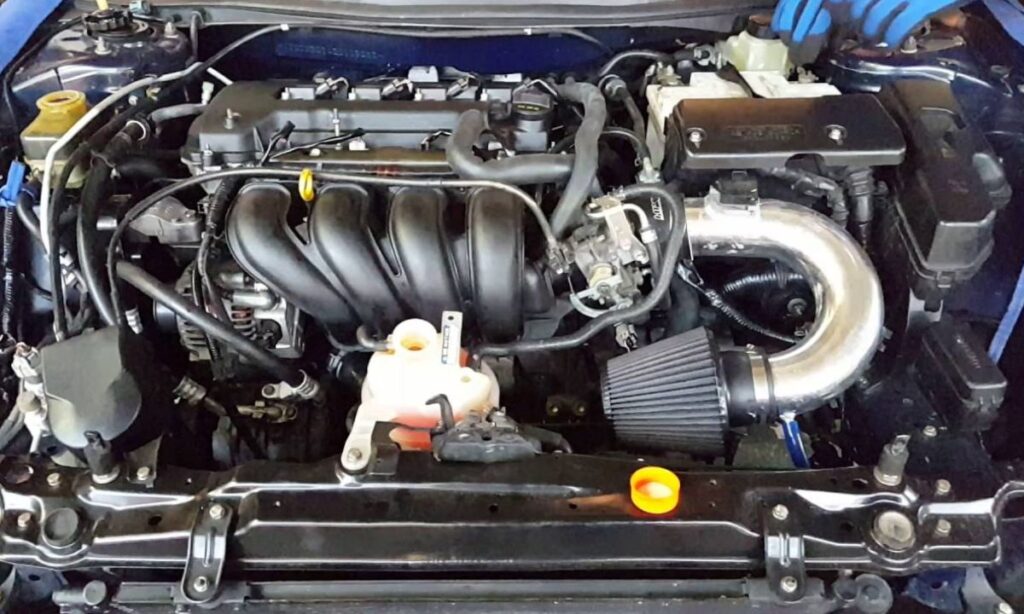
The 1ZZ-FE is a 1.8-liter inline-four gasoline engine from Toyota’s ZZ family, produced from 1998 to 2008 (with some markets continuing into 2009). It was developed as a direct replacement for the older 7A-FE series and became one of the most widespread compact engines in Toyota’s lineup during the late 1990s and 2000s.
The engine powered a huge number of models: Corolla (E110 and E120 generations), Celica GT (T230), Matrix, Pontiac Vibe, MR2 Spyder (W30), and even detuned versions in the Lotus Elise and Exige. Its main goals were low emissions, excellent fuel economy, smooth daily operation and low production cost — not high performance or track capability.
Technical specifications
Displacement: 1,794 cc
Bore × stroke: 79.0 × 91.5 mm (classic long-stroke layout)
Compression ratio: 10.0:1
Power output:
- North America: 120–130 hp (89–97 kW) at 5,600–6,400 rpm
- Japan and most export markets: 135–145 hp (100–107 kW) at 6,400 rpm
- Torque: 122–126 lb-ft (165–171 Nm) at 4,200–4,400 rpm
- Valvetrain: DOHC, 16 valves, shim-adjusted lash (no hydraulic lifters)
- Variable valve timing: VVT-i on intake cam (from 2000; 1998–1999 units in some markets had fixed timing)
- Fuel system: sequential multi-point injection
- Block and head: aluminum block with thin cast-iron liners (chill-cast, ~2.0 mm thick), aluminum cylinder head
- Timing drive: single-row roller chain
- Weight (dry): approximately 225–250 lb (102–113 kg)
- Recommended oil: 5W-30 full synthetic (API SJ and newer; later SN/SP)
- Redline: ~6,800–7,000 rpm depending on calibration
Construction features
The block is open-deck aluminum with pressed-in cast-iron liners. This design saved significant weight compared to older cast-iron blocks, but the thin liners are sensitive to overheating and cannot be bored oversize. The crankshaft is forged, connecting rods are fracture-split powder-metal, pistons are cast aluminum with low-tension rings in early versions.
The cylinder head uses shim-over-bucket valvetrain — simple and reliable, but valve clearance adjustment requires removing the camshafts. Intake manifold was either cast aluminum or composite plastic depending on the year and market.
Real-world performance and driving feel
Thanks to the long stroke the engine delivers strong low- and mid-range torque for its size, which makes it feel surprisingly responsive in everyday driving. It pulls cleanly from 2,000 rpm and cruises comfortably at highway speeds without straining. Fuel economy is one of its biggest strengths — real-world figures in Corollas, Matrix and Vibe frequently reach 30–38 mpg (7.8–6.2 L/100 km) on the highway, and even city driving often stays in the mid-20s mpg range.
The engine is smooth and quiet with well-controlled NVH, especially in the Corolla and Matrix. However, above 5,500 rpm it starts to vibrate noticeably and power drops off sharply — it simply was not designed to live near redline for long periods.
Longevity and reliability
With regular maintenance many 1ZZ-FE engines reach 200,000–300,000 miles with original internals. The chain-driven timing system eliminates belt replacement, the valvetrain is mechanically simple, and the engine was built in enormous volumes so parts remain inexpensive and widely available even in 2026.
Main known issue – oil consumption
The most notorious problem is excessive oil consumption, particularly in units built between 1998 and 2005. After 60,000–120,000 miles many engines start burning 1 quart every 600–1,500 miles. The root causes include:
- insufficient oil drain-back holes in the pistons that become clogged with carbon
- low-tension oil control rings that stick or collapse over time
- thin cylinder liners that score easily once oil starvation or overheating occurs
- early piston and ring design that did not cope well with extended oil-change intervals
Toyota responded with multiple TSBs, redesigned pistons and rings (starting mid-2005 with larger drain holes and improved ring tension), and extended warranties in several regions. Engines produced after 2005–2006 show dramatically lower incidence of severe consumption when oil is changed regularly.
Other frequent problems
- Overheating can quickly warp the cylinder head or crack liners due to the open-deck aluminum block design
- Timing chain stretch and hydraulic tensioner wear typically appear around 150,000–200,000 miles (cold-start rattle, later cam-crank correlation codes)
- Valve cover gasket leaks are common after 100,000 miles
- VVT-i solenoid sticking when oil becomes dirty or sludgy
Because the liners cannot be bored, the block is effectively non-rebuildable in the traditional sense — major internal repairs usually lead to engine replacement rather than overhaul.
Practical maintenance recommendations
- Change oil every 5,000 miles (or sooner in hot climates or short-trip driving) using quality 5W-30 full synthetic
- Check oil level weekly and keep it topped up — never let it drop below minimum
- Flush and refill the cooling system every 5 years or 60,000 miles
- Listen for cold-start chain rattle around 150,000 miles and consider replacing chain, guides and tensioner preventively
- Never ignore overheating — even brief episodes can damage thin liners
Early 1998–2004 engines with unaddressed consumption are high-risk unless piston and ring work has already been completed. Units built from 2006 onward are significantly more reliable and, with consistent care, routinely deliver 250,000+ miles without major drama.
The 1ZZ-FE remains one of the most common high-mileage engines globally because — when properly maintained — it offers low running costs, good fuel economy and acceptable durability for everyday use.