Check Engine Light on Toyota: Common causes and how to fix it
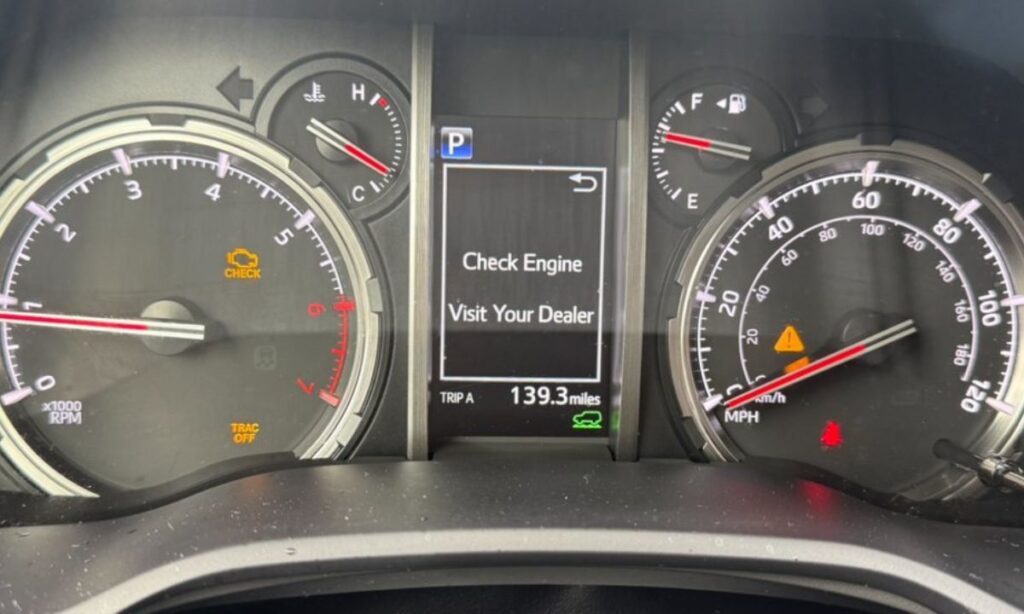
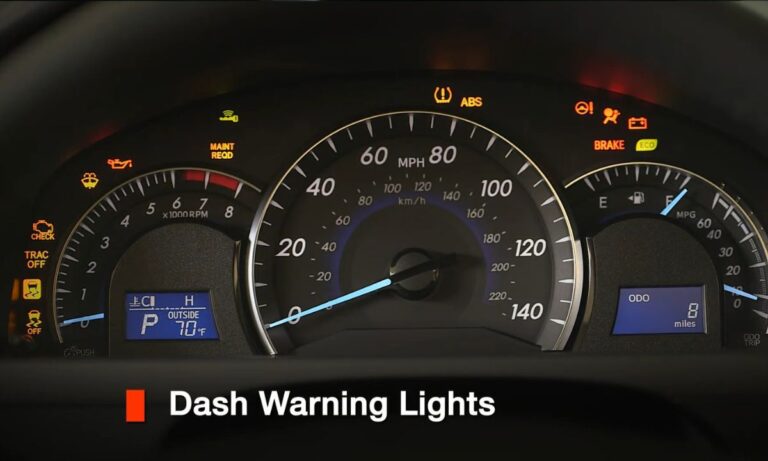
The Check Engine Light (CEL), also known as the Malfunction Indicator Lamp (MIL), is one of the most common warning lights that Toyota owners encounter. When it illuminates on your dashboard, it means the engine control unit (ECU) has detected a fault in the engine, emissions, or related systems. While it can be alarming, not every check engine light indicates a serious or expensive problem.
This guide covers the most frequent causes of a check engine light on Toyota vehicles and provides practical steps to diagnose and resolve the issue.
What does the Check Engine Light mean on a Toyota?
Toyota uses two main types of check engine lights:
- Solid yellow/orange light — A minor or moderate fault has been detected. The vehicle is usually still drivable, but you should diagnose it soon.
- Flashing light — A serious misfire is occurring. This can damage the catalytic converter quickly. Stop driving and have the vehicle checked immediately.
Toyota’s On-Board Diagnostics II (OBD-II) system stores a Diagnostic Trouble Code (DTC) whenever the light comes on. These codes are the key to identifying the exact problem.
Most common causes of Check Engine Light on Toyota
Here are the most frequent reasons why the check engine light appears on Toyota models (Camry, Corolla, RAV4, Prius, Highlander, Tacoma, 4Runner, etc.):
- Loose or Faulty Gas Cap
One of the simplest and most common causes. A loose, damaged, or missing gas cap allows fuel vapors to escape, triggering the EVAP system.
Solution: Tighten the gas cap until it clicks 3–4 times. Drive for a few days. If the light goes off, the problem is solved. - Oxygen Sensor (O2 Sensor) Failure
Toyota vehicles use multiple oxygen sensors. When one fails, it affects fuel mixture and emissions.
Solution: Replace the faulty O2 sensor. Upstream sensors (before the catalytic converter) are more critical than downstream ones. - Catalytic Converter Issues
A failing or clogged catalytic converter is more serious and expensive. Often caused by misfires or rich fuel mixture over time.
Solution: Diagnose the root cause first (usually misfires or bad O2 sensors) before replacing the converter. - Spark Plugs and Ignition Coils
Worn spark plugs or failing ignition coils are very common on Toyota engines (especially 2.5L, 3.5L V6, and older 4-cylinder engines).
Solution: Replace spark plugs at recommended intervals. Replace faulty ignition coils as needed. - Mass Air Flow (MAF) Sensor Problems
A dirty or failing MAF sensor sends incorrect air flow data to the ECU.
Solution: Clean the MAF sensor with dedicated MAF cleaner. Replace if cleaning doesn’t help. - EVAP System Leaks
Includes purge valve, vent valve, or cracked hoses in the evaporative emissions system.
Solution: Perform an EVAP smoke test to locate the leak. - Bad Thermostat or Coolant Temperature Sensor
Affects engine warm-up and fuel mixture.
Solution: Replace the thermostat or coolant temp sensor. - Battery or Alternator Issues
Low voltage or a failing alternator can trigger multiple codes and the check engine light.
Solution: Test the battery and charging system. - Exhaust Gas Recirculation (EGR) Valve
Common on older Toyota models and some diesel engines.
Solution: Clean or replace the EGR valve. - Software / ECU Update
Some Toyota models (especially 2018+) may need a software reflash from the dealer to fix false check engine lights.
How to diagnose a Check Engine Light on Toyota
- Read the Diagnostic Trouble Codes (DTCs)
Use an OBD-II scanner. Cheap Bluetooth scanners with apps like Torque Pro or Car Scanner work well. Toyota-specific scanners (Techstream) provide more detailed data. - Note the Symptoms
Is the car running rough? Losing power? Poor fuel economy? Any unusual noises or smells? - Check for Pending Codes
Many Toyotas store “pending” codes before turning the light on solid. These can give early warning of developing issues.
Recommended steps after the light comes on
- If the light is solid — You can usually continue driving, but schedule a diagnosis soon.
- If the light is flashing — Stop driving and tow the vehicle to avoid expensive catalytic converter damage.
- Clear the codes only after fixing the root cause. Simply clearing the light without repair will usually make it return.
When to visit a dealer or mechanic
Go to a Toyota dealer or trusted independent shop if:
- You get codes related to the catalytic converter (P0420, P0430)
- The light is flashing
- You have limited mechanical experience
- The vehicle is still under warranty or emissions warranty (many Toyota emissions components are covered up to 8 years / 80,000–100,000 miles)
Preventive maintenance to avoid Check Engine Light
- Replace spark plugs and ignition coils at recommended intervals
- Use high-quality fuel
- Service the EVAP system and gas cap regularly
- Keep up with air filter and cabin filter changes
- Address small issues before they become big problems
A check engine light on your Toyota is usually not a reason to panic, especially if the car drives normally. In many cases, it’s something simple like a loose gas cap or worn spark plugs. However, ignoring the light for too long can lead to more expensive repairs later.
Always read the trouble codes first — they tell you exactly where to start looking