Honda K20C1 Engine: 2.0L Turbo Complete Guide
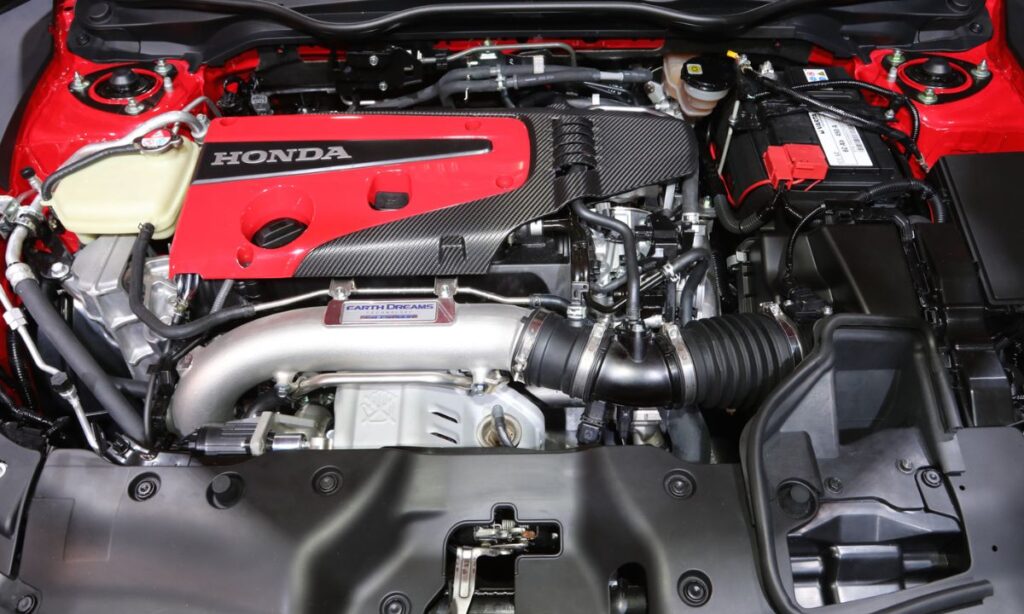
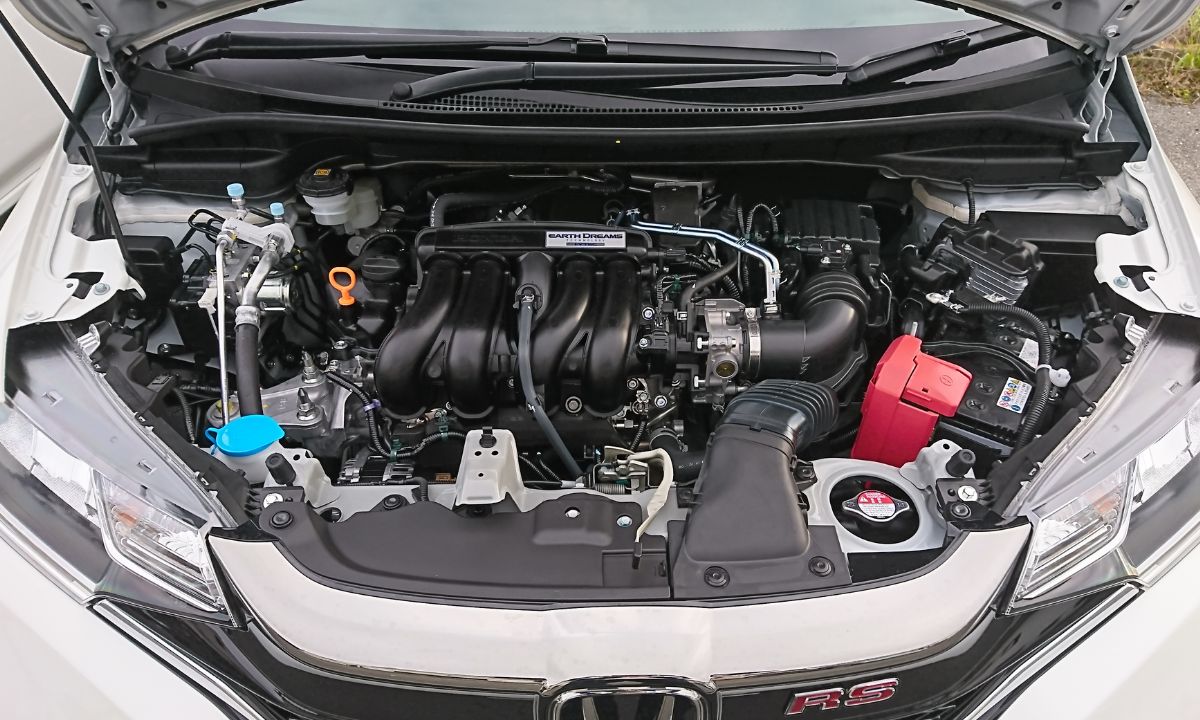
The Honda K20C1 is a 2.0-liter turbocharged inline-four engine that represents Honda’s most performance-oriented application of its Earth Dreams Technology platform. Introduced with the 10th-generation Honda Civic Type R (FK8), this engine quickly earned a reputation as one of the finest turbocharged four-cylinders in the hot hatch segment, producing class-leading power while maintaining Honda’s traditional high-revving character. Unlike many turbocharged engines that sacrifice driver engagement for raw output, the K20C1 was engineered to deliver a broad powerband with a sharp throttle response and a satisfying rev ceiling that echoes Honda’s naturally aspirated heritage.
Honda K20C1 Engine Specifications
Understanding the full technical specification of the K20C1 is essential for owners, tuners, and enthusiasts. Below is a comprehensive breakdown of the engine’s core data:
- Engine family: Honda K-series (fourth generation)
- Configuration: Inline-4 (I4), transversely mounted
- Displacement: 1,996 cc (2.0 liters)
- Bore x Stroke: 86.0 mm x 86.0 mm (square engine)
- Compression ratio: 9.8:1
- Valvetrain: DOHC, 16 valves, i-VTEC on intake cam only
- Fuel system: Direct injection (DI) with port injection (PFI) — dual injection system
- Turbocharger: Single-scroll IHI turbocharger, integrated exhaust manifold
- Max boost pressure: Approximately 23.2 psi (1.6 bar)
- Power output (FK8 Civic Type R, 2017–2021): 316 hp (235 kW) at 6,500 rpm
- Power output (FL5 Civic Type R, 2023+): 315 hp (235 kW) at 6,500 rpm — revised calibration
- Torque output: 295 lb-ft (400 Nm) at 2,500–4,500 rpm
- Redline: 7,000 rpm
- Fuel requirement: 93 octane (premium unleaded) recommended
- Engine management: Honda PGM-FI with drive-by-wire throttle
- Oil capacity (with filter): 5.7 liters (6.0 US quarts)
- Recommended engine oil: Honda Genuine 0W-20 full synthetic or equivalent meeting Honda HTO-06 specification
- Cooling system: Liquid-cooled with dual radiator circuit and separate turbo cooling loop
- Block material: Cast iron cylinder block
- Head material: Aluminum alloy cylinder head
- Firing order: 1-3-4-2
K20C1 vs Other K20C Variants
Honda uses the K20C designation across several engines, but each variant is significantly different internally. It is critical not to confuse them:
- K20C1 — High-performance turbo, 316 hp, Civic Type R FK8/FL5, dual injection, i-VTEC intake only
- K20C2 — Moderate turbo, 174 hp, 10th-gen Civic Sport Touring, single injection
- K20C3 — Moderate turbo, 158 hp, 10th-gen Civic EX/Touring Si, simpler tune
- K20C4 — Turbocharged, used in Accord Sport 1.5T applications in some markets
i-VTEC System on the K20C1
Unlike earlier K20 engines that featured VTEC on both intake and exhaust camshafts, the K20C1 uses intake-only i-VTEC combined with Variable Timing Control (VTC) on the intake cam. This system switches between two intake cam profiles — a low-lift profile for efficiency at lower RPM and a high-lift, longer-duration profile for maximum performance above approximately 5,800 rpm. The result is strong low-end torque from the turbocharger combined with a noticeable secondary power surge at high RPM, preserving the classic Honda VTEC engagement feel.
Turbocharger and Exhaust System Details
- Turbocharger manufacturer: IHI (Ishikawajima-Harima Heavy Industries)
- Turbo type: Single-scroll, low-inertia design for fast spool-up
- Exhaust manifold: Integrated into cylinder head casting — reduces heat loss and improves spool response
- Intercooler: Front-mounted air-to-air intercooler (FMIC)
- Wastegate: Internal wastegate, electronically controlled
- Turbo outlet temperature management: Active water-cooled turbo bearing housing
Common Issues and Reliability Concerns
- Oil dilution: Some K20C1 units in cold climates report minor fuel-in-oil dilution due to direct injection warm-up cycles — use shorter oil change intervals in cold weather
- Carbon buildup on intake valves: Direct injection without port wash can cause intake valve deposits over time — walnut blasting recommended every 40,000–60,000 miles; however, the dual injection system on K20C1 significantly mitigates this compared to pure DI engines
- High-pressure fuel pump (HPFP) noise: A ticking or tapping sound from the HPFP is normal and characteristic of direct injection systems — not a defect
- Coolant temperature sensitivity: The K20C1 runs warm under sustained high-load driving; ensure coolant is fresh and at proper concentration
- PCV system: Positive crankcase ventilation valve can become blocked on high-mileage units, causing rough idle and oil consumption
- Spark plug wear: Performance driving accelerates electrode wear — inspect plugs at 30,000 miles and replace with NGK ILZKR7B-11S (OEM specification)
Maintenance Schedule and Service Intervals
- Engine oil and filter: Every 5,000 miles or 12 months using Honda Genuine 0W-20 (or approved equivalent) — reduce to 3,000–4,000 miles under track or performance use
- Spark plugs: Inspect at 30,000 miles, replace at 60,000 miles — iridium OEM plugs
- Air filter: Inspect at every oil change, replace every 15,000–30,000 miles depending on conditions
- Timing chain: No scheduled replacement interval — timing chain design (not belt)
- Coolant flush: Every 60,000 miles or 5 years with Honda Type 2 coolant
- Intake valve cleaning: Every 40,000–60,000 miles as preventive maintenance
- Turbo oil feed line inspection: Every 30,000 miles for blockage or heat-induced degradation
Performance and Tuning Potential
The K20C1 has proven highly receptive to aftermarket modification. Key tuning data for enthusiasts:
- Stage 1 ECU remap (93 octane): Typically yields 340–360 hp and 350+ lb-ft with no hardware changes
- Stage 1+ (upgraded intake and downpipe): 360–380 hp range is achievable
- Stage 2 (FMIC upgrade, catless downpipe, intake): 380–420 hp with supporting fuel system
- Fuel injectors: OEM injectors support approximately 400 hp with proper tuning before upgrade is required
- IHI turbo upgrade limit: The stock IHI turbo is generally considered maxed out around 380–400 hp — larger turbos such as the Garrett GT2860 or BorgWarner EFR6258 are used for higher targets
- Rod and piston strength: OEM internals are generally reliable to approximately 450 hp with proper tuning and premium fuel
- Supporting mods at high power: Upgraded FMIC, fuel pump, spark plugs (one step colder), and flex fuel capability are recommended above 400 hp