Volkswagen EA189 2.0 TDI Engine: Complete Technical Guide
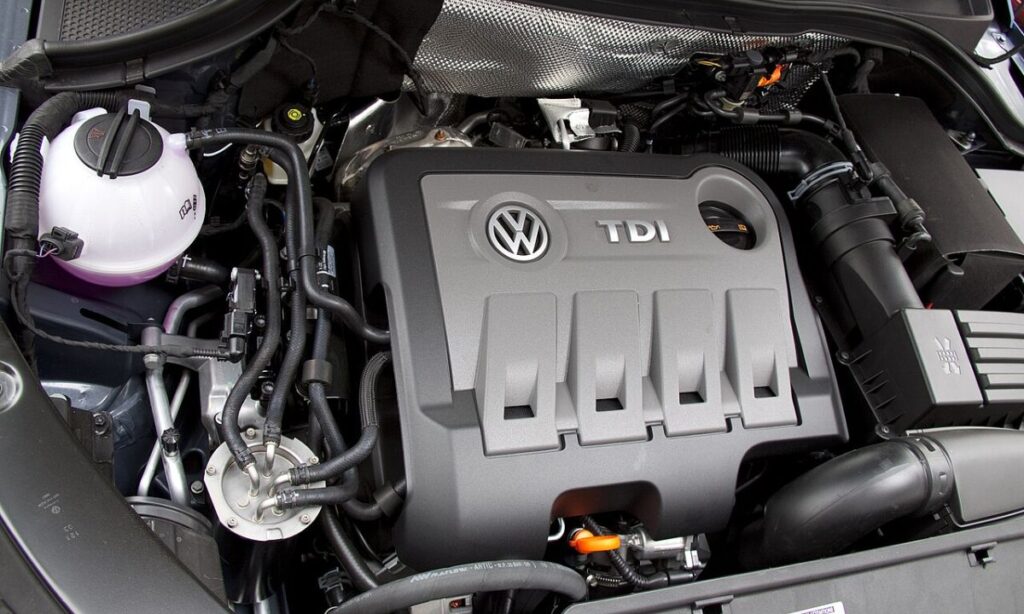
The Volkswagen EA189 2.0 TDI is one of the most widely produced diesel engines in automotive history, used across the Volkswagen Group from approximately 2007 to 2015. Known internally under the EA189 family designation, this four-cylinder turbocharged direct-injection diesel engine was fitted in millions of vehicles including the Golf, Passat, Tiguan, Skoda Octavia, SEAT Leon, and Audi A3. It became globally notorious following the 2015 Dieselgate emissions scandal, but from a purely mechanical standpoint it remains a sophisticated and capable powerplant with a well-documented technical profile.
EA189 2.0 TDI Engine Specifications
The 2.0 TDI variant of the EA189 family was produced in several power outputs and emission standards. Below are the complete technical specifications across all major variants:
- Engine type: Inline 4-cylinder, turbocharged direct-injection diesel (TDI)
- Displacement: 1,968 cc (1.968 litres)
- Bore x Stroke: 81.0 mm x 95.5 mm
- Compression ratio: 16.5:1
- Valve configuration: DOHC, 4 valves per cylinder, 16 valves total
- Fuel injection system: Common rail direct injection (Bosch or Continental/Siemens PCR 2.1)
- Injection pressure: Up to 1,800 bar
- Turbocharger: Variable geometry turbocharger (VGT/VNT), Garrett or BorgWarner
- EGR system: High-pressure EGR with cooler
- Engine management: Bosch EDC17C46 or EDC17C64 ECU
- Oil capacity (with filter): 4.3 litres (CR engine code variants); 4.5 litres (CJAA, CBAB variants)
- Coolant capacity: Approximately 6.5–7.0 litres depending on vehicle application
- Engine weight (dry): Approximately 170 kg
- Firing order: 1-3-4-2
- Timing system: Toothed rubber timing belt (cambelt) with separate balance shaft belt on some variants
- Timing belt interval: 140,000 km or 5 years (whichever comes first); some markets 210,000 km after updates
Power Output Variants and Engine Codes
The EA189 2.0 TDI was produced in multiple power outputs, each with specific engine codes used across VW Group brands:
- 100 PS (74 kW) – CLCA, CFHC: Economy variant, common in Skoda and SEAT applications, torque 250 Nm
- 110 PS (81 kW) – CFFA, CFFE: Entry-level Passat and Tiguan variant, torque 260 Nm
- 136 PS (100 kW) – CBAB, CBAC, CLCB: Most common mid-range variant, torque 320 Nm, used in Golf VI, Passat B6/B7, Tiguan, Octavia
- 140 PS (103 kW) – CJAA, CBDC: North American-spec variant (Jetta, Golf TDI Clean Diesel), torque 320 Nm, SCR-equipped
- 170 PS (125 kW) – CFGB, CBBB, CLLA: High-performance variant with dual-mass flywheel, torque 350 Nm, used in Passat, Tiguan 4Motion, Audi A3
Emission Standards and Dieselgate Context
The EA189 2.0 TDI was certified to Euro 5 emissions standards (and US EPA Tier 2 Bin 5 in North America). The engine used a defeat device embedded in the Bosch EDC17 engine control unit software that detected standardised laboratory test cycles and activated full emissions control mode only during testing. Under real-world driving conditions, NOx emissions were 10–40 times higher than permitted limits. Volkswagen AG acknowledged the issue in September 2015 and issued a technical recall fix which consisted of:
- Software update to the ECU to modify injection and EGR strategies
- Installation of a flow transformer (plastic mesh insert) in the air intake tract on 1.6 TDI variants (not applicable to 2.0 TDI in most cases)
- In some markets, hardware modifications to the EGR cooler and air management system
Common Faults and Known Issues
Despite its widespread use, the EA189 2.0 TDI has a number of well-documented reliability issues that owners and technicians should be aware of:
- EGR valve failure: Carbon build-up causes the EGR valve to stick open or closed, resulting in rough idle, loss of power, and fault codes P0400, P0401, P0403
- Diesel particulate filter (DPF) blockage: Frequent short journeys prevent active regeneration, leading to blocked DPF, codes P2002, P2463, P242F
- Timing belt tensioner failure: The tensioner and idler pulleys are known weak points; failure can cause catastrophic engine damage. Replacement of the complete kit at every service interval is strongly recommended
- Balance shaft belt failure (where fitted): On CBAB and similar codes, the separate balance shaft drive belt can fail prematurely. Inspection at 60,000 km intervals advised
- Swirl flap failure: Intake manifold swirl flaps can break off and enter the engine, causing catastrophic damage. Many specialists recommend removal and blanking
- Turbocharger oil seal failure: VGT mechanism carbon fouling and oil seal leaks are common over 150,000 km; symptoms include blue smoke and whistling
- Oil consumption: Some variants consume oil at elevated rates due to piston ring and valve stem seal wear, particularly post-200,000 km
- Injector seal failure: Carbon deposits around injector seats can cause compression leaks and hard starting in cold conditions
- Flywheel/dual mass flywheel (DMF) wear: The DMF is a known consumable on the 170 PS variant and should be inspected after 120,000 km
Common OBD-II Fault Codes
- P0087 – Fuel rail/system pressure too low: Often caused by failing fuel pressure regulator or high-pressure pump wear
- P0299 – Turbocharger underboost: VGT actuator, boost pipe leak, or blocked intercooler
- P0401 – EGR flow insufficient: Blocked EGR valve or cooler
- P0403 – EGR control circuit malfunction: EGR valve solenoid fault
- P2002 – DPF efficiency below threshold bank 1: DPF blockage or regeneration inhibited
- P2463 – DPF soot accumulation: Excessive soot load, requires forced regen or replacement
- P0191 – Fuel rail pressure sensor range/performance: Sensor or fuel system pressure fault
- P0234 – Turbocharger overboost: Wastegate or VGT stuck in closed position
- P0606 – ECM/PCM processor fault: ECU internal fault, often post-software update issue
- P0016 – Crankshaft/camshaft position correlation: Timing belt slip or sensor fault
Maintenance Schedule and Service Data
- Engine oil specification: VW 507.00 (preferred) or VW 504.00 – 5W-30 fully synthetic longlife
- Oil change interval: Longlife service up to 30,000 km or 2 years; fixed interval 15,000 km or 1 year recommended by specialists
- Coolant specification: G13 or G12++ (purple/pink); do not mix with G11 green coolant
- Coolant change interval: Every 4–5 years regardless of mileage
- Timing belt replacement: 140,000 km or 5 years; always replace tensioner, idler, and water pump as a complete kit
- Air filter: Every 30,000–45,000 km depending on conditions
- Fuel filter: Every 30,000–60,000 km; earlier replacement recommended in regions with lower fuel quality
- Glow plugs: Inspect every 60,000 km; replace by 120,000 km preventatively
- Spark plugs: Not applicable (diesel engine)
Compatible Vehicles Using the EA189 2.0 TDI
- Volkswagen Golf VI (2008–2013): 136 PS and 170 PS variants
- Volkswagen Passat B6 and B7 (2007–2014): 110, 136, and 170 PS
- Volkswagen Tiguan Mk1 (2007–2016): 110, 136, and 170 PS, including 4Motion
- Volkswagen Jetta Mk6 (2010–2014): 140 PS CJAA (North America)
- Volkswagen Touran Mk2 (2010–2015): 136 PS
- Skoda Octavia Mk2 facelift (2009–2013): 110 and 136 PS
- Skoda Superb Mk2 (2008–2015): 136 and 170 PS
- SEAT Leon Mk2 facelift (2009–2012): 136 PS
- SEAT Altea and Toledo (2009–2015): 136 PS
- Audi A3 8P facelift (2008–2012): 136 and 170 PS (badged 2.0 TDI)
- Audi Q3 Mk1 (2011–2015): 140 PS variant