Honda L15B7 1.5L Turbo Engine: Complete Guide
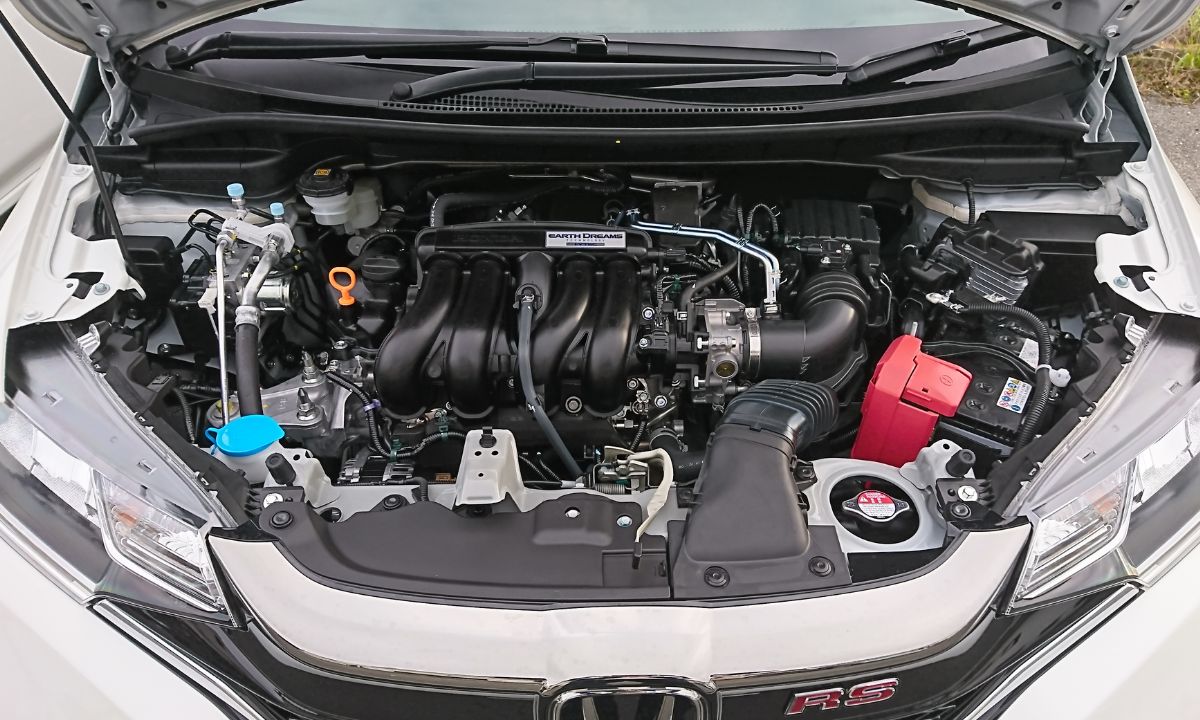
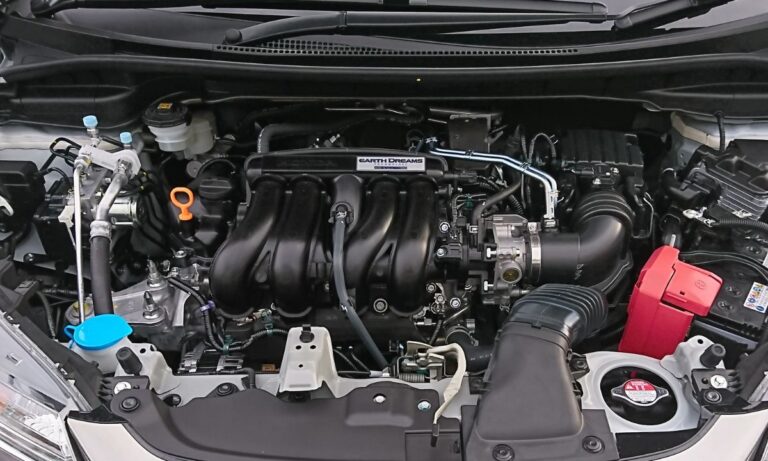
The Honda L15B7 is a 1.5-liter turbocharged four-cylinder engine that represents one of Honda’s most important powertrain developments of the modern era. Introduced as part of Honda’s Earth Dreams Technology lineup, the L15B7 delivers a compelling blend of performance and fuel efficiency, making it a cornerstone engine in Honda’s global product strategy. This engine powers some of Honda’s most popular models and has earned a reputation for reliability, though it comes with specific maintenance requirements and known issues that owners and technicians should understand thoroughly.
L15B7 Engine Specifications
Understanding the full technical specifications of the L15B7 is essential for proper maintenance, tuning, and diagnostics. Below are the complete specifications for this engine:
- Engine code: L15B7
- Engine family: Honda L-series
- Displacement: 1,498 cc (1.5 liters)
- Engine type: Inline-4, DOHC (some variants SOHC with VTEC on exhaust)
- Valvetrain: DOHC i-VTEC with Variable Timing Control (VTC) on intake
- Bore x Stroke: 73.0 mm x 89.4 mm
- Compression ratio: 10.6:1
- Fuel system: Direct Injection (DI) + Port Fuel Injection (PFI) – dual injection on later versions
- Turbocharger: IHI single scroll turbocharger
- Maximum boost pressure: approximately 18-20 psi (1.24-1.38 bar)
- Power output: 174 hp (130 kW) at 5,500 rpm (North American spec)
- Torque output: 162 lb-ft (220 Nm) at 1,700-5,500 rpm
- Redline: 6,500 rpm
- Fuel requirement: 87 octane minimum, 91 octane recommended for full performance
- Engine weight: approximately 128 kg (282 lbs) with accessories
- Oil capacity: 3.9 liters (4.1 US quarts) with filter
- Recommended oil: Honda Genuine 0W-20 full synthetic
- Cooling system: Water-cooled with thermostat-controlled electric fan
- Firing order: 1-3-4-2
- Spark plug gap: 1.0-1.1 mm (0.039-0.043 in)
- Spark plug type: NGK ILZKR7B-11S (iridium)
Vehicles Equipped with the L15B7
The L15B7 engine has been deployed across several high-volume Honda and Acura vehicles. Here is the complete list of models utilizing this engine:
- Honda Civic (10th generation, FC/FK): 2016-2021, sedan, coupe, and hatchback
- Honda Civic (11th generation, FE/FL): 2022-present, sedan and hatchback
- Honda CR-V (5th generation, RW/RT): 2017-2022
- Honda CR-V (6th generation): 2023-present (hybrid variants use a related unit)
- Honda Accord (10th generation, CV): 2018-2022 (Sport and base trims)
- Honda Accord (11th generation): 2023-present (select trims)
- Honda HR-V (3rd generation): 2023-present (North American spec)
- Honda Passport: Select markets with 1.5T configuration
- Acura ILX: Not equipped – Acura uses the K20C variants
Oil Dilution Issue – Critical Known Problem
The L15B7 gained significant attention due to a well-documented oil dilution problem, particularly in cold climate regions. Gasoline from the direct injection system can wash down into the engine oil, especially during short-trip cold weather operation when the engine does not reach full operating temperature.
- Root cause: During cold starts, excess fuel from direct injection condenses on cylinder walls and enters the oil sump via the piston rings before combustion is complete
- Affected regions: Most severe in Canada, Northern US states, Northern Europe, and Japan during winter months
- Symptoms: Oil level rises above maximum on dipstick, fuel smell from oil, decreased oil viscosity
- Honda’s response: Honda Canada issued a Technical Service Bulletin (TSB) and subsequently a warranty extension; Honda shortened oil change intervals to 5,000 km (approximately 3,000 miles) in cold climates
- Software fix: Honda released ECU updates to raise operating temperature and modify fuel injection timing to reduce condensation
- Owner mitigation: Allow engine to reach full operating temperature on every drive; avoid frequent short trips in sub-zero temperatures; use 0W-20 full synthetic as specified
- Long-term risk: Prolonged oil dilution accelerates bearing wear and reduces VTEC hydraulic pressure reliability
Common Problems and Reliability Concerns
- Turbo heat soak: The compact turbocharger placement can cause heat soak after high-load driving; allow idle cool-down after spirited driving
- Carbon buildup on intake valves: Direct injection engines accumulate carbon deposits; recommended walnut blasting service every 60,000-80,000 miles
- Oil consumption (post-dilution): Some units experience elevated consumption after repeated dilution episodes due to accelerated ring wear
- PCV system failure: Positive crankcase ventilation valve can fail, causing oil leaks or increased blow-by; inspect at every major service
- Thermostat housing leaks: Coolant leaks from the plastic thermostat housing have been reported on higher-mileage units; inspect during 60,000-mile service
- Boost creep on modified vehicles: Aftermarket intakes without proper tune can cause uncontrolled boost; always pair intake modifications with ECU calibration
Maintenance Schedule for L15B7
- Engine oil and filter: Every 5,000-7,500 miles using Honda Genuine 0W-20 (shorten to 3,000-5,000 miles in cold climates due to dilution risk)
- Air filter: Every 15,000-30,000 miles depending on driving conditions
- Spark plugs (iridium): Every 60,000 miles
- Timing chain: No replacement interval – chain is designed to last engine life; inspect if rattling noise on cold start is present
- Coolant flush: First flush at 60,000 miles, then every 30,000 miles with Honda Type 2 coolant
- Drive belt (serpentine): Inspect every 30,000 miles, replace every 60,000-90,000 miles
- Intake valve cleaning: Recommended every 60,000-80,000 miles to address DI carbon buildup
- Turbo oil feed line inspection: Every 30,000 miles for blockage or cracking
Performance and Tuning Potential
The L15B7 has a modest but growing aftermarket support base. Key tuning considerations include:
- ECU tuning (reflash): Hondata FlashPro and KTuner are the dominant platforms; reliable gains of 210-230 whp on stock hardware with 93 octane
- Intake upgrade: Cold air intake can improve turbo response; gains of 5-10 whp without tune, more with ECU calibration
- Downpipe upgrade: High-flow catted or catless downpipes yield significant gains; must be combined with ECU tune for reliable operation
- Intercooler upgrade: Stock intercooler is adequate to approximately 220 whp; upgraded front-mount intercooler required for higher power targets
- Turbo upgrade: Stage 2 kits using larger IHI or Garrett units can push 280-320 whp with supporting mods
- Fueling limitation: Stock fuel injectors and low-pressure fuel pump become limiting factors above 250 whp
- Boost gauge installation: Recommended for any modified L15B7 to monitor boost and catch issues early
Diagnostics and Common OBD-II Codes
- P0087 – Fuel Rail/System Pressure Too Low: Often caused by weak fuel pump, clogged filter, or failing fuel pressure regulator
- P0299 – Turbocharger/Supercharger Underboost Condition: Check for boost leaks, wastegate actuator failure, or worn turbo
- P0300-P0304 – Random/Multiple Cylinder Misfire or specific cylinder misfire: Inspect spark plugs, ignition coils, and fuel injectors; can also be caused by oil dilution reducing compression
- P0011 / P0012 – Camshaft Position Timing Over-Advanced/Retarded (Bank 1): Typically caused by dirty oil, VTC actuator wear, or low oil pressure
- P0420 – Catalyst System Efficiency Below Threshold: Check for exhaust leaks pre-catalyst or degraded catalytic converter
- P0172 – System Too Rich (Bank 1): Strongly associated with oil dilution condition; verify oil level and fuel smell before replacing sensors
- P0507 – Idle Air Control System RPM Too High: Check throttle body cleanliness and IAC valve operation
- P2647 – VTEC System Malfunction (Rocker Arm Oil Pressure Switch): Inspect oil level, oil quality, and VTC solenoid screen for blockage