ABS light on Ford: main causes and proven fixes
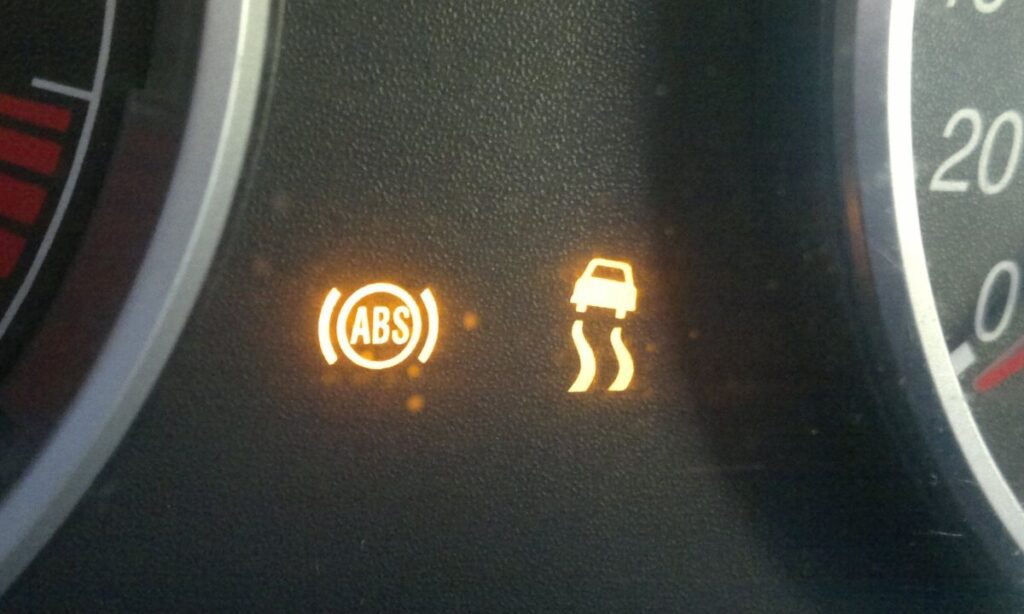
When the ABS warning light suddenly illuminates on your Ford dashboard, it immediately raises concern. This indicator means the anti-lock braking system is partially or completely disabled. While regular brakes still function, wheels can lock during emergency braking, increasing the risk of losing control. Understanding the reasons and fixing the issue quickly is essential for your safety.
Why the ABS light comes on in Ford vehicles
The ABS system in Ford models such as Focus, Mondeo, Kuga, Explorer, Escape, and others constantly monitors data from wheel speed sensors, the control module, and the hydraulic unit. Any disruption in this chain triggers the warning light. Here are the most common causes:
- Faulty wheel speed sensors. This is the top reason. Sensors are located near the wheel hubs and detect rotation of each wheel. Dirt, rust, damaged wiring, or a failed sensor itself causes errors. On Escape and Explorer models, the tone ring on the axle shaft often cracks or rusts, leading to signal loss.
- Low brake fluid level. The sensor in the reservoir detects the drop and activates both the ABS and brake system lights. This can result from leaks in worn hoses, calipers, or the master cylinder.
- Wiring and connector issues. Corroded contacts, chafed wires, or poor connections frequently occur in areas exposed to moisture and dirt — under wheel arches or near the ABS unit.
- ABS control module failure. The electronic module (sometimes integrated with the hydraulic pump) can fail due to corrosion, overheating, or internal contact problems. This is common in some Focus and C-Max models, causing complete loss of communication with sensors.
- Blown fuse or electrical problems. Short circuits, a weak battery, or faulty alternator can also trigger the ABS light.
- Worn wheel bearings. Play in the bearing disturbs the gap between the sensor and tone ring, producing unstable signals.
How to diagnose the problem yourself
You don’t always need a service center — many issues can be identified with basic checks. Start simple:
- Check the brake fluid level and condition in the reservoir. Top up if necessary and inspect lines for leaks.
- Inspect the wheels. Jack up the car, remove the wheel, and examine the ABS sensor: it should be clean, undamaged, and the connector firmly plugged in. Clean the tone ring on the hub or axle shaft with a wire brush or compressed air.
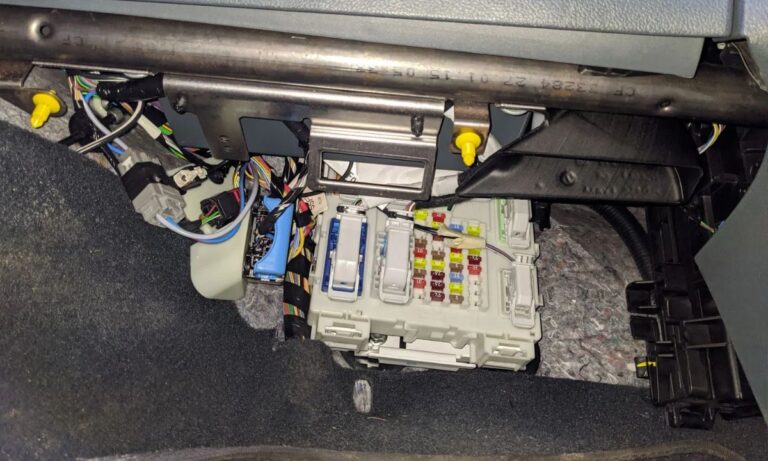
- Verify fuses in the under-hood fuse box. Refer to the diagram for your specific Ford model.
- Note accompanying symptoms: non-working speedometer, flashing ESP or traction control lights, or loss of power steering — these often point to a specific sensor or module.
For accurate diagnosis, use an OBD scanner (FORScan for Ford provides detailed error codes). It will show exactly which sensor or circuit is faulty.
Effective solutions for Ford ABS issues
Simple cases. If dirt or oxidation is the culprit, clean the contacts, apply dielectric grease, and clear the error. The light often goes off after this.
Replacing a wheel speed sensor. On most Ford vehicles, this takes 30–60 minutes. The sensor is secured with one bolt and usually easy to access. After replacement, drive and check if the light disappears. On Explorer and Escape, first inspect the tone ring — sometimes replacing just the ring solves the problem.
Wiring repair. Fix damaged wires and replace corroded connectors. Pay special attention to harnesses under the wheel arches.
ABS module problems. If the scanner shows module communication errors, repair or replacement of the unit may be needed. Corrosion inside the module from moisture ingress is a known issue on some models.
Low brake fluid. Fix the leak (replace hoses, seals, or caliper) and bleed the system properly.
After any repair, test the brakes in a safe area: hard braking should occur without wheel lock-up.
Useful prevention tips
Regularly clean wheel arches from dirt, especially during seasonal changes. Replace brake fluid every 2–3 years. When changing wheel bearings, choose quality parts to avoid excessive play. Periodically scan the system even if no light is on — early detection saves time and stress.
An illuminated ABS light on a Ford is not a disaster but a helpful warning that prevents bigger brake problems. In most cases, the fix is straightforward: cleaning, sensor replacement, or contact repair. Act methodically, and your braking system will return to full operation, keeping you safe on the road.