GM LZ1 Duramax 3.0L engine: Specs, strengths, weaknesses, and maintenance advice
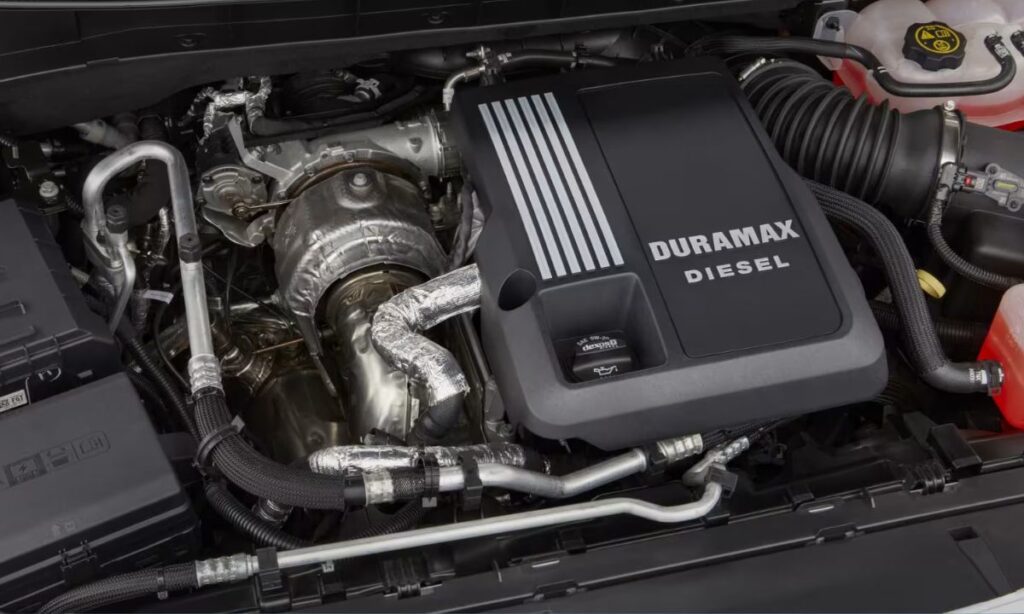
The GM LZ1, better known as the 3.0L Duramax turbo-diesel inline-six, represents a leap in efficiency and power for light-duty trucks and SUVs. Introduced in 2020 for models like the Chevrolet Silverado 1500, GMC Sierra 1500, Tahoe, Suburban, Yukon, and Cadillac Escalade, this engine has quickly gained traction among drivers seeking diesel torque without the bulk of larger V8s. By 2026, updates have boosted its output to 305 horsepower and a staggering 495 lb-ft of torque, making it a standout for towing and highway cruising. Paired exclusively with a 10-speed automatic transmission, the LZ1 emphasizes smooth delivery and real-world fuel economy often exceeding 30 mpg highway in half-ton pickups. Its aluminum block and advanced emissions tech comply with stringent regulations, positioning it as a bridge between traditional diesels and electrified futures. Despite its modern design, owners report a mix of reliability highs and occasional quirks, underscoring the importance of diligent care. This deep dive explores its technical makeup, advantages, potential pitfalls, and upkeep strategies to keep it performing at peak levels.
Detailed specifications of the GM LZ1 Duramax 3.0L engine
Crafted with precision, the LZ1 combines lightweight materials and cutting-edge turbocharging for responsive power in a compact package. Here’s a comprehensive breakdown:
- Displacement: 3.0 liters (182.6 cubic inches), delivering ample volume for low-end grunt.
- Configuration: Inline-six (I6) layout, naturally favoring smoothness over V6 vibrations.
- Bore and stroke: 84 mm bore x 90 mm stroke, optimizing for torque rather than high revs.
- Compression ratio: 15.0:1, high for a diesel to enhance thermal efficiency and reduce emissions.
- Valvetrain: Dual overhead camshaft (DOHC) with four valves per cylinder (24 total), variable valve timing on exhaust for better EGR control.
- Power output: 305 hp (227 kW) at 3,750 rpm in 2026 models, up from initial 277 hp.
- Torque: 495 lb-ft (671 Nm) at 2,750 rpm, with 90% available from 1,500-3,000 rpm for effortless acceleration.
- Fuel system: Common-rail direct injection at up to 36,000 psi, paired with a Bosch CP4.2 high-pressure pump.
- Turbocharger: Variable-geometry single turbo with electronic actuator, max boost 43.5 psi, water-to-air intercooler for dense charge air.
- Materials: Aluminum block and head for weight savings (25% lighter than iron equivalents), iron cylinder liners for durability.
- Ignition: Compression ignition, no spark plugs; glow plugs aid cold starts.
- Firing order: 1-5-3-6-2-4, contributing to the engine’s refined operation.
- Weight: Approximately 500-550 lbs fully dressed, aiding vehicle balance.
- Dimensions: Compact footprint suits full-size trucks, with integrated exhaust aftertreatment.
- Emissions and efficiency: Meets EPA Tier 3 Bin 125, with DEF system; real-world 22-28 mpg combined in Silverado.
This engine’s design earned praise for blending European diesel sophistication with American truck toughness, achieving up to 37% thermal efficiency.
Strengths of the GM LZ1 Duramax 3.0L engine
The LZ1 excels in scenarios where torque and economy matter most, outshining gas counterparts in several key areas.
- Exceptional torque delivery provides seamless pulling power, ideal for towing up to 13,300 lbs in optimized setups.
- Fuel efficiency stands out, often hitting 30+ mpg highway, reducing long-haul costs significantly.
- Refined operation with minimal noise and vibration, thanks to the inline-six balance and active sound cancellation.
- Lightweight construction improves handling and payload capacity without sacrificing strength.
- Proven reliability in high-mileage fleets, with many units surpassing 200,000 miles on original components.
- Low emissions compliance includes DEF for clean burns, qualifying for incentives in eco-conscious markets.
- Versatile integration across GM’s lineup, from pickups to SUVs, offering diesel perks in family haulers.
- Quick warm-up via glow plugs and efficient turbo spooling, minimizing cold-start lag.
Owners frequently highlight its “effortless” feel, making it a favorite for commuters and light towers alike.
Problem areas in the GM LZ1 Duramax 3.0L engine
While robust, the LZ1 isn’t immune to issues, particularly in early production runs or under neglect.
- Fuel system vulnerabilities, like CP4 pump failures from contaminated diesel, leading to costly repairs.
- Turbo actuator glitches causing limp mode or reduced power, often resolved with software updates.
- DEF system crystallization in extreme cold, triggering check engine lights and requiring tank cleaning.
- Oil dilution from frequent regenerations, accelerating wear if changes are skipped.
- Belt-drive oil pump failures in pre-2023 models, addressed via recalls with chain upgrades.
- EGR cooler leaks contributing to coolant loss and potential overheating.
- Sensor malfunctions, such as NOx or particulate matter detectors, common in dusty environments.
- Occasional injector issues from poor fuel quality, manifesting as rough idling.
These concerns are often mitigated through recalls and improved parts in later years, but vigilant monitoring is key.
Maintenance recommendations for the GM LZ1 Duramax 3.0L engine
Proactive servicing maximizes the LZ1’s lifespan, focusing on its diesel-specific needs.
- Change engine oil every 7,500-10,000 miles using GM dexosD 0W-20 synthetic diesel oil to prevent dilution and maintain lubrication.
- Inspect and replace fuel filter annually or every 15,000 miles to avoid contamination and pump strain.
- Refill DEF fluid as needed, typically every 5,000-10,000 miles, using ISO 22241-compliant urea solution.
- Clean EGR system during major services to prevent carbon buildup and efficiency loss.
- Monitor belt condition pre-2023; upgrade to chain if not done via recall.
- Perform DPF regenerations regularly by highway driving; force if urban use dominates.
- Check turbo actuator and sensors during tune-ups, updating software for optimal performance.
- Flush coolant every 150,000 miles or 5 years to protect against corrosion.
- Test battery health, as diesels demand strong cranking for cold starts.
- Use high-quality diesel fuel with lubricity additives to safeguard injectors and pump.
Adhering to this routine often sees the LZ1 reliably powering vehicles beyond 300,000 miles, rewarding owners with low ownership costs and dependable performance.