Toyota Tundra XK50 Fuses: Complete Guide 2006-2021
The Toyota Tundra XK50 (2006–2021) uses multiple fuse and relay boxes to protect every electrical circuit in the vehicle. Knowing the exact location, amperage, and function of each fuse is essential for diagnosing electrical faults, replacing blown fuses safely, and avoiding costly dealership visits. This guide covers every fuse box in the Tundra XK50 generation, including the engine compartment fuse block, the instrument panel fuse block, and the cab junction block, with complete fuse listings for all circuits.
Fuse Box Locations – Toyota Tundra XK50
The XK50 Tundra has three primary fuse and relay centers:
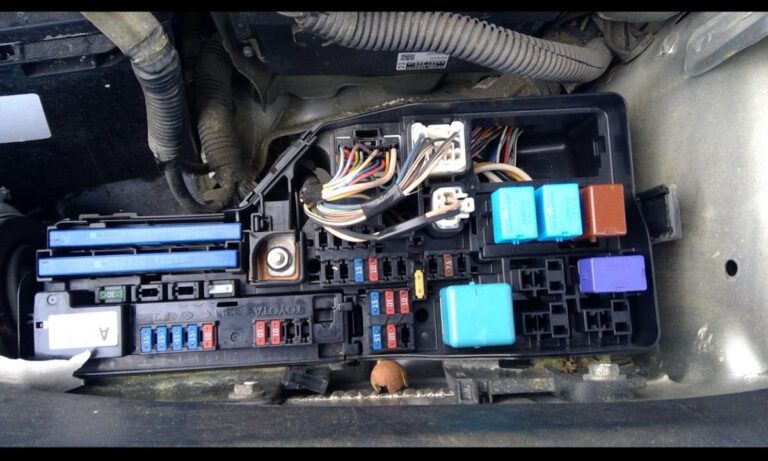
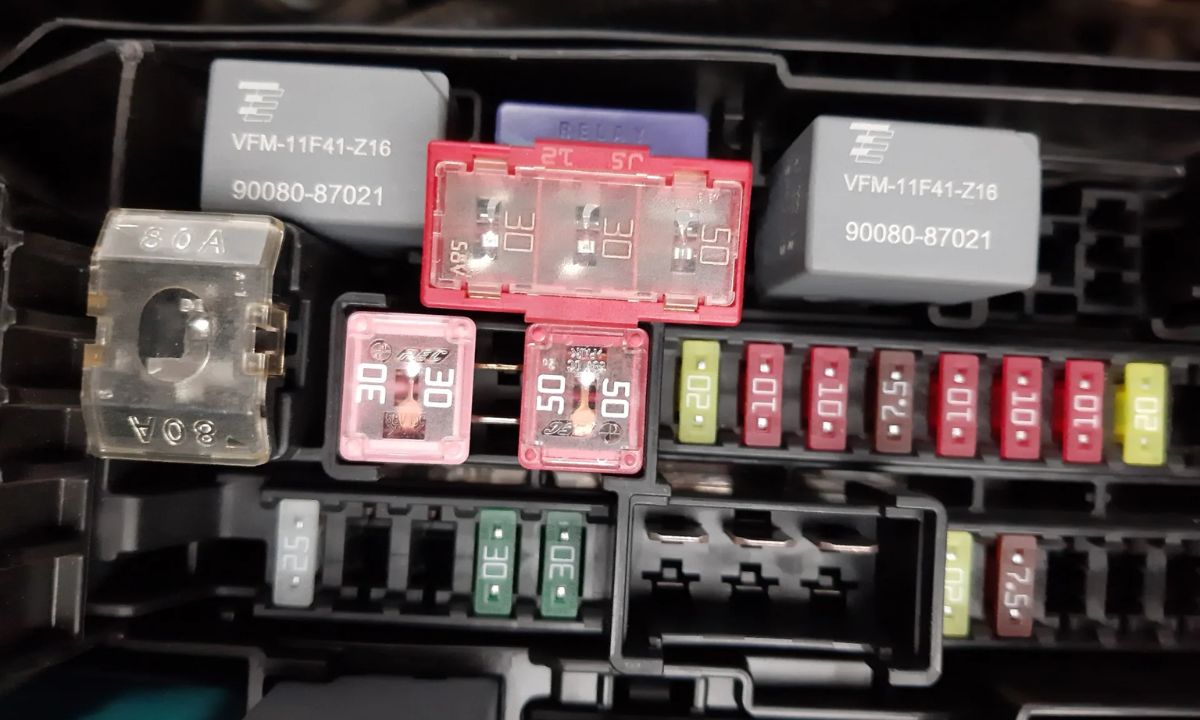
- Engine Compartment Fuse Block (Main Fuse Box) – located on the driver’s side of the engine bay, near the battery
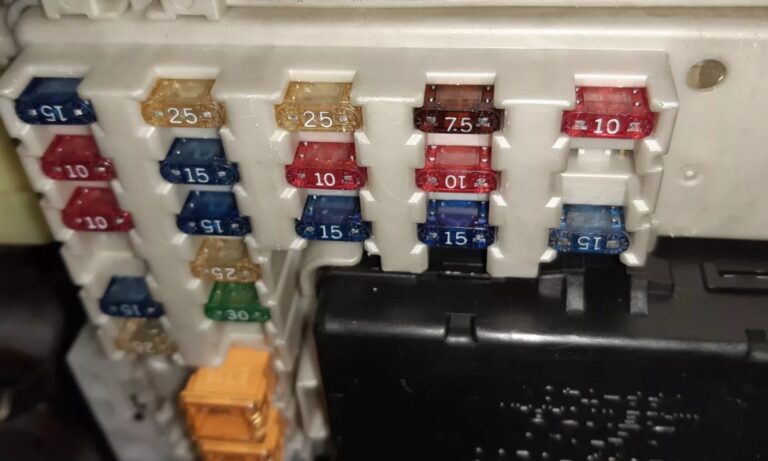
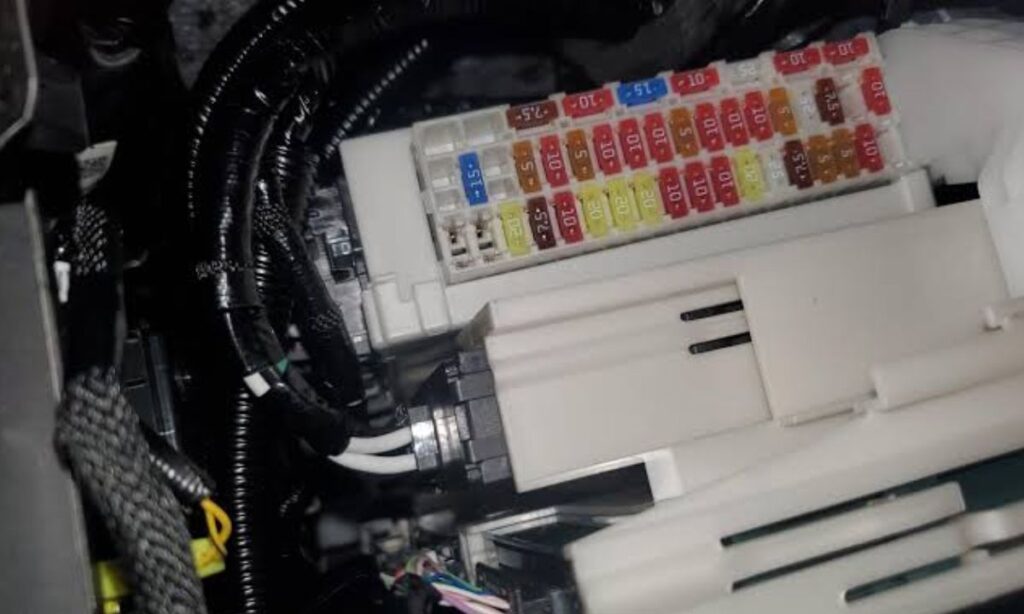
- Instrument Panel Fuse Block (Driver’s Side) – behind a cover on the lower left of the dashboard, accessible without tools
- Cab Junction Block / Relay Box – located under the dashboard on the driver’s side, behind the instrument panel fuse block on some model years
Engine Compartment Fuse Block – Complete Fuse List
This box handles high-current circuits and major vehicle systems. Fuses are listed by position number, amperage, and function.
- 1 – 120A – Main fuse (EFI, IGN, battery)
- 2 – 80A – Alternator fuse (ALT)
- 3 – 60A – ABS/VSC fuse
- 4 – 50A – Power window main fuse
- 5 – 40A – Cooling fan fuse
- 6 – 40A – Blower motor fuse
- 7 – 30A – Fuel pump fuse
- 8 – 30A – Power door lock fuse
- 9 – 30A – Trailer brake controller fuse (if equipped)
- 10 – 30A – ECU-IG fuse
- 11 – 20A – EFI main fuse
- 12 – 20A – ETCS (Electronic Throttle Control System)
- 13 – 15A – Ignition coil fuse
- 14 – 15A – Injector fuse
- 15 – 10A – Oxygen sensor heater fuse
- 16 – 10A – ECM-B fuse (ECM memory)
- 17 – 7.5A – ECM fuse
- 18 – 80A – Power steering fuse (EHPS, if equipped)
- 19 – 40A – Transfer control fuse (4WD)
- 20 – 30A – Differential lock fuse (4WD)
- 21 – 30A – Starter fuse (ST)
- 22 – 20A – Headlamp fuse (HL)
- 23 – 20A – DRL fuse (Daytime Running Lights)
- 24 – 15A – Horn fuse
- 25 – 15A – Trailer tow fuse (TRLR)
- 26 – 10A – Backup lamp fuse
- 27 – 10A – Turn signal and hazard fuse
Instrument Panel Fuse Block – Complete Fuse List
This block is accessed from inside the cab. It covers interior, comfort, and auxiliary systems.
- 1 – 30A – Power seat fuse (driver)
- 2 – 30A – Power seat fuse (passenger)
- 3 – 25A – Cigar lighter / accessory outlet
- 4 – 20A – Mirror defogger and rear window defogger
- 5 – 20A – Seat heater fuse
- 6 – 15A – Interior light and dome lamp fuse
- 7 – 15A – Radio and infotainment fuse (ACC)
- 8 – 15A – Navigation / multimedia system fuse
- 9 – 15A – Instrument cluster and gauge fuse
- 10 – 10A – Air conditioning control panel fuse
- 11 – 10A – Wiper intermittent relay fuse
- 12 – 10A – Cruise control fuse
- 13 – 10A – Traction control / VSC indicator fuse
- 14 – 10A – Reverse camera fuse (if equipped)
- 15 – 10A – Parking sensor ECU fuse
- 16 – 7.5A – Clock fuse (CLOCK)
- 17 – 7.5A – Keyless entry receiver fuse
- 18 – 7.5A – Immobilizer ECU fuse
- 19 – 7.5A – Combination meter fuse
- 20 – 5A – Theft deterrent system fuse
- 21 – 20A – Trailer connector fuse (7-pin, if equipped)
- 22 – 15A – Tow / haul mode switch fuse
- 23 – 10A – 4WD switch fuse (if equipped)
- 24 – 10A – Transfer indicator fuse
- 25 – 10A – Mirror fold and turn signal fuse
Relay Locations in the Engine Compartment Fuse Block
The engine fuse block also houses critical relays. Key relays include:
- Main relay (EFI) – controls fuel injection system power
- Fuel pump relay – activates the in-tank fuel pump
- Cooling fan relay (high and low) – controls radiator fan speeds
- A/C compressor relay – engages the air conditioning compressor clutch
- Starter relay (ST) – operates the starter motor circuit
- Horn relay – powers the horn circuit
- Headlamp relay – main relay for low and high beam circuits
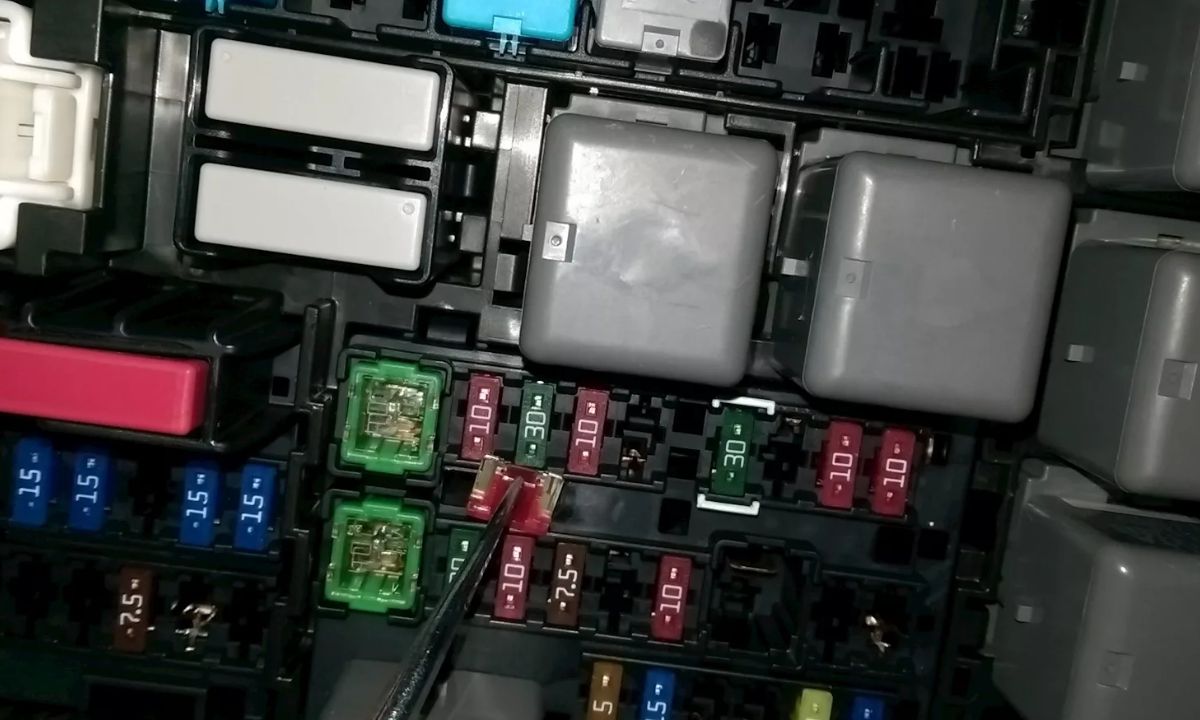
How to Identify and Replace a Blown Fuse
To check a fuse in the Toyota Tundra XK50: pull the suspected fuse using the fuse puller tool stored inside the instrument panel fuse box lid. Hold the fuse up to light — a broken internal wire confirms it is blown. Always replace with a fuse of identical amperage. Never use a higher-amperage fuse as this can damage wiring or cause a fire. Spare fuses are stored in the instrument panel fuse block on most XK50 model years.
Common Fuse-Related Problems on the Tundra XK50
- Fuel pump fuse (30A) blowing repeatedly – often caused by a failing in-tank fuel pump drawing excess current
- Radio fuse (15A) blowing – may indicate a shorted aftermarket accessory or faulty head unit
- Power window fuse (50A) failure – caused by a seized window regulator motor or wiring short
- ABS/VSC fuse (60A) failure – typically caused by a failed ABS actuator or pump motor
- Cigar lighter fuse (25A) blowing – most commonly caused by high-draw accessories plugged into the 12V outlet
Important Notes for 2006–2021 Tundra XK50 Fuses
- Fuse box diagrams are printed on the inside of each fuse box cover — always consult these labels first
- The 2007–2013 and 2014–2021 facelifted models may have minor differences in fuse positions; confirm with the owner’s manual for your specific year
- Fuses rated 80A and above in the engine bay are slow-blow (fusible link type) and require exact OEM-specification replacements
- For CrewMax, Double Cab, and Regular Cab configurations, fuse assignments for rear circuits (rear power outlets, seat heaters) may vary
- Always disconnect the battery negative terminal before replacing high-amperage fusible links