Toyota 2GR-FE 3.5L V6 Engine: Complete Technical Guide
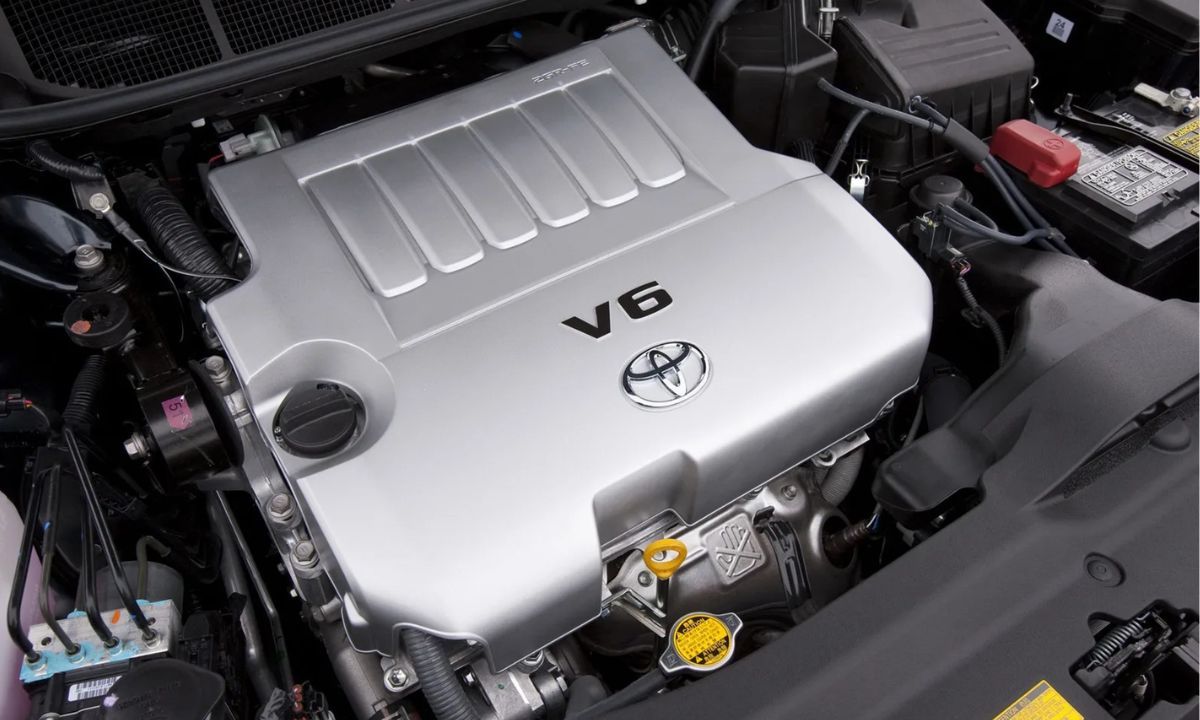
The Toyota 2GR-FE is one of Toyota’s most celebrated naturally aspirated engines, a 3.5-liter V6 that combines robust power output with refined engineering. First introduced in 2005, this engine belongs to Toyota’s GR engine family and has powered a wide range of Toyota and Lexus vehicles over nearly two decades. Known for its smooth power delivery, strong mid-range torque, and impressive reliability, the 2GR-FE became a benchmark for naturally aspirated V6 performance in the automotive industry.
Engine Overview and History
The 2GR-FE was developed as part of Toyota’s all-new GR engine series, replacing the aging MZ-series V6 engines. Its design incorporated dual overhead camshafts (DOHC), four valves per cylinder, and Toyota’s Dual VVT-i (Variable Valve Timing with intelligence) system on both intake and exhaust camshafts. This engine was manufactured at Toyota’s Kamigo Plant in Japan and also at other facilities including the engine plant in Huntsville, Alabama for North American models.
Complete Technical Specifications
- Engine code: 2GR-FE
- Configuration: 60-degree V6
- Displacement: 3,456 cc (3.5 liters)
- Bore x Stroke: 94.0 mm x 83.0 mm
- Compression ratio: 10.8:1 (early models); 11.8:1 (post-2012 updated versions)
- Valvetrain: DOHC, 24 valves, Dual VVT-i
- Fuel system: Sequential multiport electronic fuel injection (EFI)
- Block material: Aluminum alloy
- Head material: Aluminum alloy
- Firing order: 1-2-3-4-5-6
- Power output: 268–277 hp (200–207 kW) at 6,200 rpm depending on application
- Torque output: 248–248 lb-ft (336 Nm) at 4,700 rpm
- Redline: 6,500 rpm
- Engine weight: Approximately 185 kg (408 lbs)
- Oil capacity: 6.4 liters (6.8 US quarts) with filter
- Recommended oil: 5W-30 fully synthetic (Toyota Genuine Motor Oil or equivalent)
- Oil change interval: Every 10,000 km / 6,000 miles or 12 months (conventional service)
- Spark plug type: NGK IFR6A-11 (iridium), gap 1.1 mm
- Spark plug replacement interval: 120,000 km / 80,000 miles
- Timing chain: Dual-row chain (no timing belt required)
- Cooling system capacity: Approximately 7.8 liters
- Coolant type: Toyota Super Long Life Coolant (SLLC) pink
Vehicles Using the 2GR-FE Engine
- Toyota Camry – XV40 (2006–2011), XV50 (2012–2017)
- Toyota Avalon – XX30 (2005–2012), XX40 (2013–2018)
- Toyota Highlander – XU40 (2008–2013), XU50 (2014–2019)
- Toyota RAV4 – XA30 V6 (2006–2012)
- Toyota FJ Cruiser – (2006–2014)
- Toyota Tacoma – 2nd and 3rd generation V6 versions
- Toyota Tundra – 1st generation (some trim levels)
- Toyota Sienna – XL20 (2007–2010), XL30 (2011–2020)
- Toyota Venza – 1st generation (2009–2015)
- Lexus RX 350 – XU30 (2006–2009), AL10 (2010–2015), AL20 (2016–2019)
- Lexus ES 350 – XV40 (2007–2012), XV60 (2013–2018)
- Lexus GS 350 – S190 (2007–2011), L10 (2013–2020)
- Lexus IS 350 – XE20 (2006–2013)
- Lexus LS 460 – selected configurations
- Lexus NX 300 – AZ10 (2017–2021)
Dual VVT-i System Explained
The Dual VVT-i system on the 2GR-FE independently varies the timing of both intake and exhaust camshafts using hydraulic actuators controlled by the engine ECU. The intake cam can advance or retard up to 50 degrees and the exhaust cam up to 35 degrees, allowing the engine to optimize valve overlap for maximum efficiency at all operating conditions. This provides improved low-end torque, better high-rpm power, and reduced fuel consumption simultaneously.
Common Problems and Known Issues
- Oil consumption: Some early 2GR-FE engines (particularly 2006–2010 production) exhibited excessive oil consumption, often consuming 1 quart per 1,000–1,500 miles. Toyota issued technical service bulletins (TSBs) and in some cases performed piston ring replacements under goodwill programs.
- Carbon buildup on intake valves: Because the 2GR-FE uses port injection (not direct injection), carbon buildup on intake valves is significantly less severe than in GDI engines, though some long-term deposits can still form.
- Water pump failure: The water pump is driven by the timing chain and is located internally. Failure is uncommon but when it occurs, replacement requires significant labor as the front cover must be removed.
- VVT-i actuator rattle on cold start: A well-documented cold-start rattle can occur due to oil draining from the VVT-i actuators when the engine sits. This is usually resolved with a proper oil weight and ensuring oil change intervals are maintained.
- Valve cover gasket leaks: Over time, especially beyond 150,000 km, the valve cover gaskets can develop minor seeps. Replacement is straightforward and inexpensive.
- Thermostat failure: The thermostat housing is plastic on several applications and can crack or warp, causing coolant leaks or overheating concerns.
Maintenance Schedule
- Engine oil and filter: Every 10,000 km / 6 months (5W-30 full synthetic recommended)
- Air filter: Every 40,000 km or as inspected
- Spark plugs (iridium): Every 120,000 km / 80,000 miles
- Engine coolant flush: First change at 160,000 km then every 80,000 km
- Timing chain inspection: Every 150,000 km; replacement rarely required before 250,000 km with proper maintenance
- Throttle body cleaning: Every 80,000–100,000 km recommended
- PCV valve: Inspect every 80,000 km, replace if stuck or faulty
Performance Variants and Related Engines
- 2GR-FSE: Features Toyota’s D-4S dual injection system (direct + port injection) for higher compression and improved efficiency, used in Lexus GS 350 and IS 350 sportier applications
- 2GR-FKS: Updated version with D-4ST injection, Atkinson cycle capability, and higher thermal efficiency, introduced in 2015 for newer Camry and Highlander models
- 2GR-FXE: Hybrid-adapted version tuned for Atkinson cycle operation, used in Lexus RX 450h and other hybrid applications
- 2GR-FXS: Further-developed hybrid variant with improved Atkinson efficiency, used in newer Lexus hybrids