Toyota wheel bolt pattern guide: complete lug pattern chart and specifications
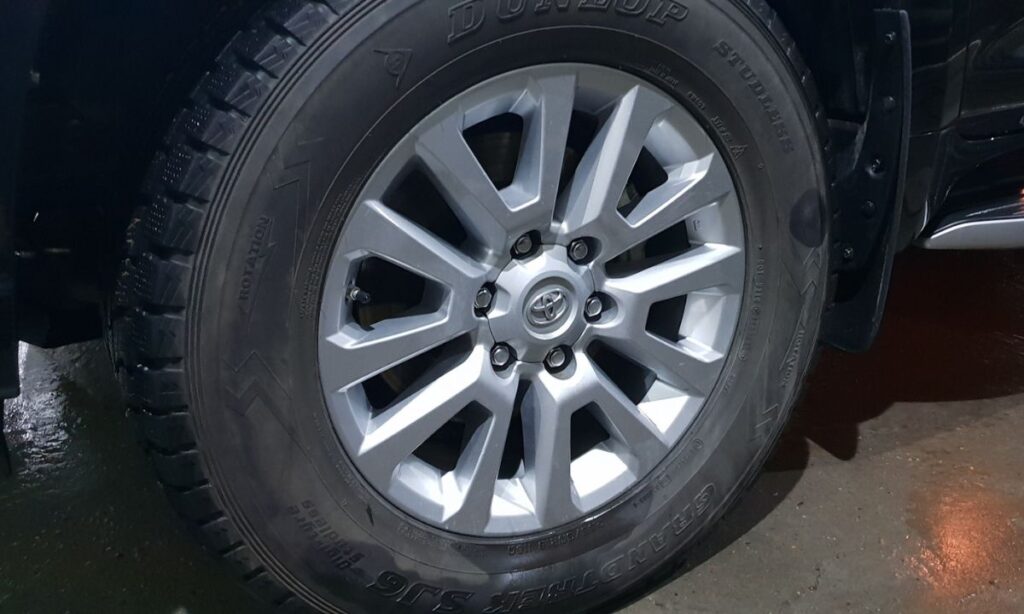
Understanding the correct wheel bolt pattern (also called lug pattern or PCD — Pitch Circle Diameter) is essential when buying new wheels, rims, or tires for your Toyota vehicle. Using the wrong bolt pattern can lead to unsafe driving conditions, vibration, or damage to the wheel hub.
This comprehensive guide covers the most common Toyota bolt patterns from the early 2000s to the latest 2026 models, including popular cars, crossovers, trucks, and SUVs.
What is wheel bolt pattern?
Bolt pattern is defined by two numbers:
- Number of lug nuts (e.g., 5, 6)
- Diameter of the circle formed by the center of the lug holes (measured in millimeters)
Example: 5×114.3 means 5 lug nuts on a 114.3 mm diameter circle.
Toyota also has specific center bore (hub bore) sizes and recommended wheel offsets that must be considered for proper fitment.
Toyota bolt patterns by model and generation
Here is a clear breakdown of the most popular Toyota models and their factory wheel bolt patterns:
Passenger Cars
- Toyota Corolla (2000–2026)
- 2000–2008: 4×100 or 5×100
- 2009–2018: 5×114.3
- 2019–2026: 5×114.3
- Center bore: 54.1 mm (most models)
- Toyota Camry (2000–2026)
- 2002–2006: 5×114.3
- 2007–2026: 5×114.3
- Center bore: 60.1 mm
- Toyota Avalon (2000–2022)
- 5×114.3
- Center bore: 60.1 mm
- Toyota Prius (2004–2026)
- Most generations: 5×114.3
- Center bore: 54.1 mm (some hybrid variants use 60.1 mm)
Crossovers and SUVs
- Toyota RAV4 (2000–2026)
- 2000–2005: 5×114.3
- 2006–2018: 5×114.3
- 2019–2026: 5×114.3
- Center bore: 60.1 mm
- Toyota Highlander (2001–2026)
- All generations: 5×114.3
- Center bore: 60.1 mm
- Toyota 4Runner (2003–2026)
- 6×139.7
- Center bore: 95.0 mm (most models use 106.1 mm hub-centric rings)
- Toyota Land Cruiser (2000–2021)
- 5×150 (some models) or 6×139.7
- Center bore: 110.1 mm
- Toyota Sequoia (2001–2026)
- 6×139.7
- Center bore: 95.0 mm
Trucks and Off-Road Models
- Toyota Tacoma (2005–2023)
- 2005–2015: 6×139.7
- 2016–2023: 6×139.7
- 2024–2026: 6×139.7
- Center bore: 95.0 mm / 106.1 mm (depending on year)
- Toyota Tundra (2000–2026)
- 2000–2006: 6×139.7
- 2007–2021: 6×139.7
- 2022–2026: 6×139.7
- Center bore: 95.0 mm (newer models use larger hub bore)
- Toyota Hilux (international markets)
- Most versions: 6×139.7
Sports and Performance Models
- Toyota GR86 / Subaru BRZ
- 5×100
- Center bore: 54.1 mm
- Toyota Supra (2019–2026)
- 5×112
- Center bore: 66.5 mm
- Toyota Celica (older models)
- 5×100 or 5×114.3 (depending on generation)
Common Toyota bolt patterns summary
| Bolt Pattern | Common Models | Center Bore |
|---|---|---|
| 4×100 | Older Corolla, Yaris, Echo | 54.1 mm |
| 5×100 | Some Corolla, Matrix, GR86 | 54.1 mm |
| 5×114.3 | Camry, Corolla (2009+), RAV4, Highlander, Prius | 54.1 / 60.1 mm |
| 6×139.7 | Tacoma, Tundra, 4Runner, Sequoia | 95.0 / 106.1 mm |
| 5×150 | Some Land Cruiser models | 110.1 mm |
| 5×112 | Toyota Supra (A90) | 66.5 mm |
Important fitment tips
- Hub-Centric vs Lug-Centric: Most modern Toyotas are hub-centric. Always use hub-centric rings if the aftermarket wheels have a larger center bore.
- Wheel Offset (ET): Toyota vehicles typically require offsets between +35 mm and +50 mm. Installing wheels with incorrect offset can cause rubbing or handling issues.
- Lug Nuts: Toyota uses M12x1.5 thread pitch on most models. Some trucks use M14x1.5.
- Torque Specs: Always torque lug nuts to factory specification (usually 76–83 ft-lbs / 103–113 Nm for passenger cars, higher for trucks).
Can you change bolt pattern?
It is possible to change bolt pattern using wheel adapters or spacers, but this is not recommended for daily drivers due to safety concerns. Adapters add stress to wheel bearings and suspension components. Only use high-quality hub-centric adapters from reputable brands if absolutely necessary.
Final advice
Before purchasing new wheels for your Toyota:
- Confirm your exact bolt pattern using the table above or by measuring it.
- Check the center bore size.
- Verify the wheel offset and width.
- Ensure the wheels are load-rated for your vehicle’s weight.
Using the correct bolt pattern ensures safety, proper handling, and long life of your suspension components.