Toyota RAV4 XA40 Fuses (2012-2018): Complete Guide
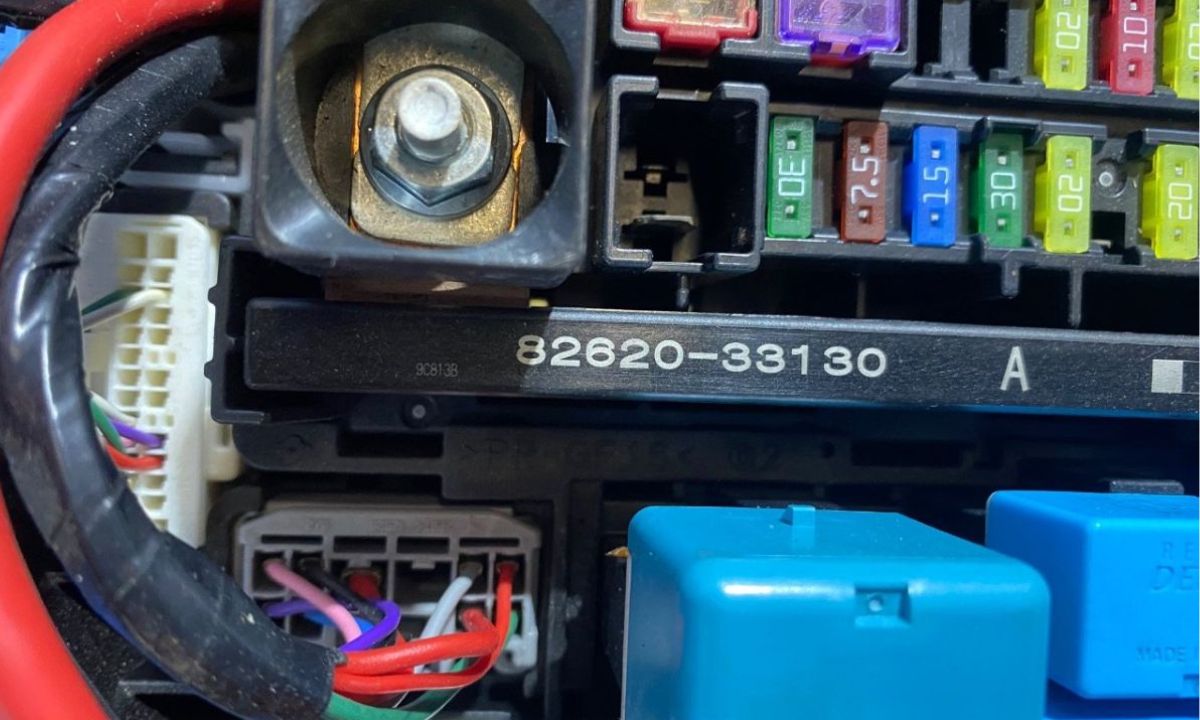
The Toyota RAV4 XA40 generation, produced from 2012 to 2018, uses a multi-box fuse and relay system to protect every electrical circuit in the vehicle. Understanding the exact location, amperage, and function of each fuse is essential for diagnosing electrical faults, replacing blown fuses correctly, and avoiding damage to sensitive electronics. This guide covers every fuse box in the RAV4 XA40, listing all circuits with their ratings and descriptions based on official Toyota documentation.
Fuse Box Locations in the Toyota RAV4 XA40
The RAV4 XA40 has three main fuse and relay boxes: the instrument panel fuse box (driver’s side, inside the cabin), the engine compartment fuse box (under the hood, driver’s side), and a secondary engine compartment relay and fuse block. Each box serves distinct systems and must be accessed separately.
Instrument Panel (Interior) Fuse Box
Located beneath the instrument panel on the driver’s side. Remove the cover by pulling it outward. This box protects cabin electronics and comfort systems.
- 1 – 7.5A – Engine Control Module (ECM), Combination Meter
- 2 – 7.5A – Multiport Fuel Injection / Sequential Multiport Fuel Injection System
- 3 – 7.5A – Transmission Control Module (TCM)
- 4 – 7.5A – Air Conditioning Control Module
- 5 – 7.5A – Power Steering Control Module (EPS)
- 6 – 10A – ABS / VSC / Traction Control System
- 7 – 7.5A – Supplemental Restraint System (SRS Airbag)
- 8 – 15A – Power Windows (Front Right)
- 9 – 20A – Power Windows (Front Left)
- 10 – 20A – Power Windows (Rear)
- 11 – 15A – Door Lock / Unlock Actuators
- 12 – 10A – Interior Lights, Dome Lamp, Map Lamp
- 13 – 7.5A – Radio / Navigation / Display Audio
- 14 – 7.5A – Backup Camera, Parking Sensors
- 15 – 10A – Instrument Cluster, Multi-Information Display
- 16 – 7.5A – Cruise Control System
- 17 – 15A – Cigarette Lighter / Accessory Socket (Front)
- 18 – 20A – Accessory Socket (Rear Cargo Area)
- 19 – 10A – Heated Mirrors, Rear Window Defogger Control
- 20 – 15A – Wiper (Rear)
- 21 – 20A – Wiper (Front)
- 22 – 10A – Turn Signal Lights, Hazard Warning Lights
- 23 – 7.5A – Seat Belt Warning, Seatbelt Pre-tensioner
- 24 – 10A – Body Control Module (BCM) / Smart Key System
- 25 – 7.5A – Tilt and Telescopic Steering Column (if equipped)
- 26 – 30A – Power Seat (Driver, if equipped)
- 27 – 15A – Heated Seats (Front, if equipped)
- 28 – 10A – Audio Amplifier (if equipped with premium audio)
- 29 – 7.5A – OBD-II Diagnostic Port / DLC3
- 30 – 10A – Clock, Memory Functions, ECM Keep-Alive
Engine Compartment Main Fuse and Relay Box
Located in the engine bay on the driver’s side, near the battery. This box contains high-amperage fuses and relays protecting primary vehicle systems. Open the lid by unclipping the tabs on both sides.
- ALT – 120A – Alternator Charge Circuit
- AM1 – 80A – Main Battery Feed to Interior Fuse Box
- AM2 – 60A – Engine Room Fuse Sub-block Power Feed
- EFI – 15A – Electronic Fuel Injection System, Injectors, Fuel Pump Relay
- HORN – 15A – Horn
- HTR – 30A – Blower Motor (HVAC Fan)
- IGN – 15A – Ignition Switch Supply Circuit
- MG CLT – 40A – Air Conditioning Compressor Magnetic Clutch
- RDI FAN – 40A – Radiator Cooling Fan Motor (Low Speed)
- RDI FAN HI – 40A – Radiator Cooling Fan Motor (High Speed)
- MAIN – 100A – Main Fusible Link (Battery Positive to Entire System)
- ABS – 40A – ABS Actuator and Pump Motor
- ABS2 – 30A – ABS / VSC Hydraulic Control Unit
- 4WD – 30A – Four-Wheel Drive Transfer Actuator (AWD Models)
- WIPER – 25A – Front Wiper Motor
- POWER OUTLET – 20A – Engine Bay Accessory Power Outlet (if equipped)
- TAIL – 15A – Tail Lights, License Plate Lights, Parking Lights
- HEAD LH – 15A – Left Headlight (Low Beam / High Beam)
- HEAD RH – 15A – Right Headlight (Low Beam / High Beam)
- FOG – 15A – Front Fog Lights (if equipped)
- STOP – 15A – Brake Lights, High-Mount Stop Lamp
- BACK UP – 10A – Reverse Lights
- D/L – 20A – Power Door Locks (All Doors)
- P/W – 30A – Power Window Master Switch and Motor Supply
- DEF – 30A – Rear Window Defogger Heater Element
- ST – 30A – Starter Motor Relay Circuit
- DCDC – 20A – DC-DC Converter (Hybrid/EV models where applicable)
How to Identify and Replace a Blown Fuse on the RAV4 XA40
Toyota supplies a fuse puller tool clipped inside both fuse box lids. Always turn the ignition off before inspecting fuses. Use the puller to extract the fuse and visually inspect the wire element inside. A blown fuse will show a broken or melted wire bridge inside the plastic body. Always replace with an identical amperage fuse — never use a higher-rated fuse as a substitute, as this can permanently damage wiring harnesses or cause fire. Spare fuses are stored in a small compartment within the engine bay fuse box lid.
Common Electrical Problems and Fuses to Check on the XA40 RAV4
- Radio or navigation not working – Check fuse 13 (7.5A) in interior box and AM1 (80A) in engine bay
- Power windows not responding – Check fuses 8, 9, 10 interior box and P/W (30A) engine bay
- Brake lights not illuminating – Check STOP (15A) in engine compartment box
- ABS warning light on – Check ABS (40A) and ABS2 (30A) in engine compartment box
- Air conditioning not engaging – Check MG CLT (40A) and HTR (30A) in engine bay, plus fuse 4 in interior box
- OBD scanner not connecting – Check fuse 29 (7.5A) in the interior box — the DLC3 port fuse
- Rear defogger inoperative – Check DEF (30A) in engine compartment and fuse 19 in interior panel
- No interior lighting – Check fuse 12 (10A) in the interior fuse box
Important Notes for RAV4 XA40 Fuse Maintenance
The XA40 RAV4 was sold in multiple regional variants including North American, European, and Australian markets. Some fuse assignments may differ slightly depending on the trim level (LE, XLE, Limited, Style, Executive) and optional equipment packages. Always cross-reference with the owner’s manual specific to your production year and market. For model years 2015–2018, minor revisions were made to the engine management system fusing after the mid-cycle refresh; the EFI and ECM fuse assignments remain consistent but the layout of secondary relays may vary. The 2.5L hybrid variant (AVA44) shares the XA40 platform but has an additional high-voltage safety system — never open the orange-cable circuits without proper hybrid safety training.