Honda DTC error codes: Expert decoding, meanings, and proven solutions across all major systems
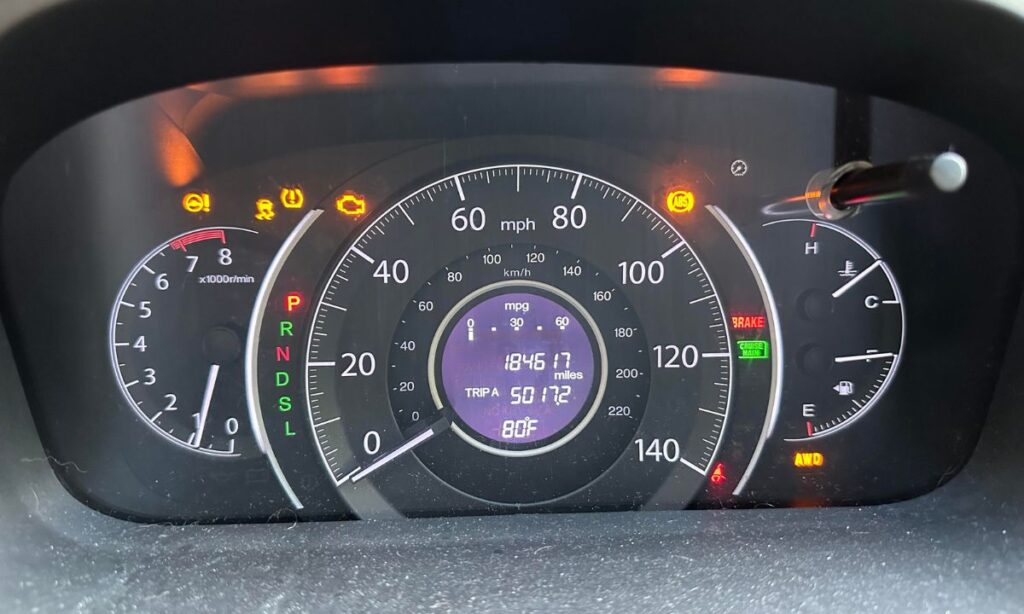
Honda vehicles are renowned worldwide for their engineering precision, exceptional longevity, and driver-centric performance. Yet even the most reliable machines depend on advanced onboard diagnostics to detect issues early. As a certified Honda specialist with over 15 years of hands-on experience servicing everything from nimble Civics and refined Accords to spacious Odysseys and capable CR-Vs, I have decoded and repaired thousands of diagnostic trouble codes (DTCs). These codes—triggered by the check engine light or other dashboard warnings—reveal critical insights into sensor failures, wiring faults, mechanical wear, or overlooked maintenance. Mastering them allows owners to act quickly and preserve the legendary Honda dependability that owners cherish.
This in-depth guide organizes the most frequent and Honda-specific DTCs by vehicle system. Every entry delivers the code’s precise meaning, real-world symptoms, common root causes observed in actual Honda service bays, and step-by-step resolution strategies. While a professional OBD-II scanner with Honda-specific protocol support (or dealer-level equipment) remains ideal for live data and confirmation, many faults can be resolved using basic hand tools and methodical inspection.
Engine management and sensor-related codes
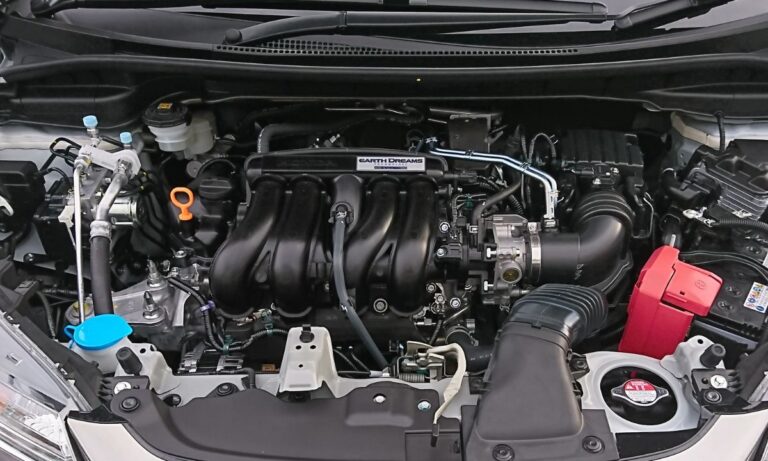
Engine-related DTCs appear most often because the powertrain integrates numerous sensors, actuators, and control strategies. In Hondas, frequent triggers include wiring harness abrasion (especially in older models), sensor contamination from road debris, or skipped oil services that impact variable valve timing systems.
- P0010 – Variable Valve Timing Control (VTC) Oil Control Solenoid Valve Malfunction: Electrical or mechanical fault in the solenoid that directs oil flow to the camshaft actuator. Typical symptoms include hesitation during VTEC engagement and reduced mid-range torque. Common causes: oil sludge in passages or clogged solenoid screen. Resolution: perform a complete oil drain and refill with genuine Honda-spec viscosity oil, clean the VTC solenoid filter screen, test solenoid resistance with a multimeter, and replace the solenoid if it is stuck or electrically shorted.
- P0011 – VTC System Malfunction: Camshaft timing deviates from the commanded position—especially prevalent in K-series and Earth Dreams engines after missed oil changes. Verify oil pressure at operating temperature and inspect the actuator for binding.
- P0101 – Mass Airflow Sensor Range/Performance Problem: Inconsistent airflow readings from the MAF sensor. Dirty sensing elements caused by unfiltered intake air are typical on high-mileage Civics. Clean gently with dedicated MAF sensor cleaner—never touch the hot wire.
- P0102 / P0103 – MAF Sensor Circuit Low/High Voltage: Wiring shorts or opens near the throttle body connector. Inspect for rodent damage or corrosion and repair or replace the sensor.
- P0106 / P0107 / P0108 – MAP Sensor Range/Performance or Circuit Issues: Vacuum leaks at the intake manifold or cracked MAP housing. Common after intake gasket replacement. Confirm vacuum lines and replace the sensor if voltage falls outside specification.
- P0111 / P0112 / P0113 – Intake Air Temperature Sensor Range or Circuit Problems: Faulty IAT sensor (often integrated in the MAF) or poor connection. Symptoms: poor cold-start performance.
- P0116 / P0117 / P0118 – Engine Coolant Temperature Sensor Issues: Stuck thermostat or degraded ECT sensor causing incorrect temperature readings and rich/lean mixtures. Replace both sensor and thermostat together on many 2000s models.
- P0122 / P0123 – Throttle Position Sensor Circuit Low/High Input: Dirty throttle body or worn TPS on drive-by-wire systems. Thorough throttle plate cleaning plus electronic throttle relearn frequently resolves the code.
- P0131 / P0132 / P0133 – Primary Oxygen/Air-Fuel Sensor Circuit or Slow Response: Exhaust leaks before the sensor or contaminated upstream A/F sensor. Repair manifold cracks and replace the sensor.
- P0135 / P0141 – O2 Sensor Heater Circuit Malfunction: Burned-out heater element, especially in vehicles exposed to road salt. New sensor restores proper closed-loop fueling.
- P0171 / P0172 / P0174 / P0175 – Fuel System Too Lean or Too Rich: Intake vacuum leaks, PCV valve faults, clogged fuel filter, or failing injectors. Smoke testing the EVAP and intake system is mandatory.
- P0300 – Random/Multiple Cylinder Misfire Detected: Worn iridium spark plugs (replace at recommended intervals), failing ignition coils, or low fuel pressure. Compression and leak-down tests isolate mechanical causes.
- P0301 through P0306 – Cylinder-Specific Misfire: Diagnose spark plug, coil, injector, or valve issues on the affected cylinder. Carbon buildup on intake valves is a known issue in direct-injection Hondas.
- P0325 – Knock Sensor Circuit Malfunction: Damaged knock sensor or wiring routed too close to exhaust heat. Replace and torque to factory specification.
- P0335 / P0336 – Crankshaft Position Sensor No Signal or Intermittent: Timing belt or chain stretch affecting sensor alignment. Replace sensor and inspect timing components.
- P0340 / P0341 / P0344 – Camshaft Position Sensor Issues: Similar to CKP faults but located on the camshaft—frequent after timing service.
- P0401 – EGR Flow Insufficient: Carbon-clogged EGR valve or passages. Cleaning or replacement restores emissions compliance.
- P0420 – Catalyst System Efficiency Below Threshold: Degraded catalytic converter substrate or failing downstream O2 sensor. Upstream exhaust leaks often mimic this on 100k+ mile Accords.
- P0442 / P0443 / P0456 / P0457 – EVAP System Small Leak or Purge Issues: Loose or damaged gas cap is the number-one cause; otherwise cracked purge valve or underbody hoses.
- P0505 / P0506 / P0507 – Idle Control System Malfunction: Dirty idle air control valve or electronic throttle body requiring relearn after cleaning.
Transmission and drivetrain codes
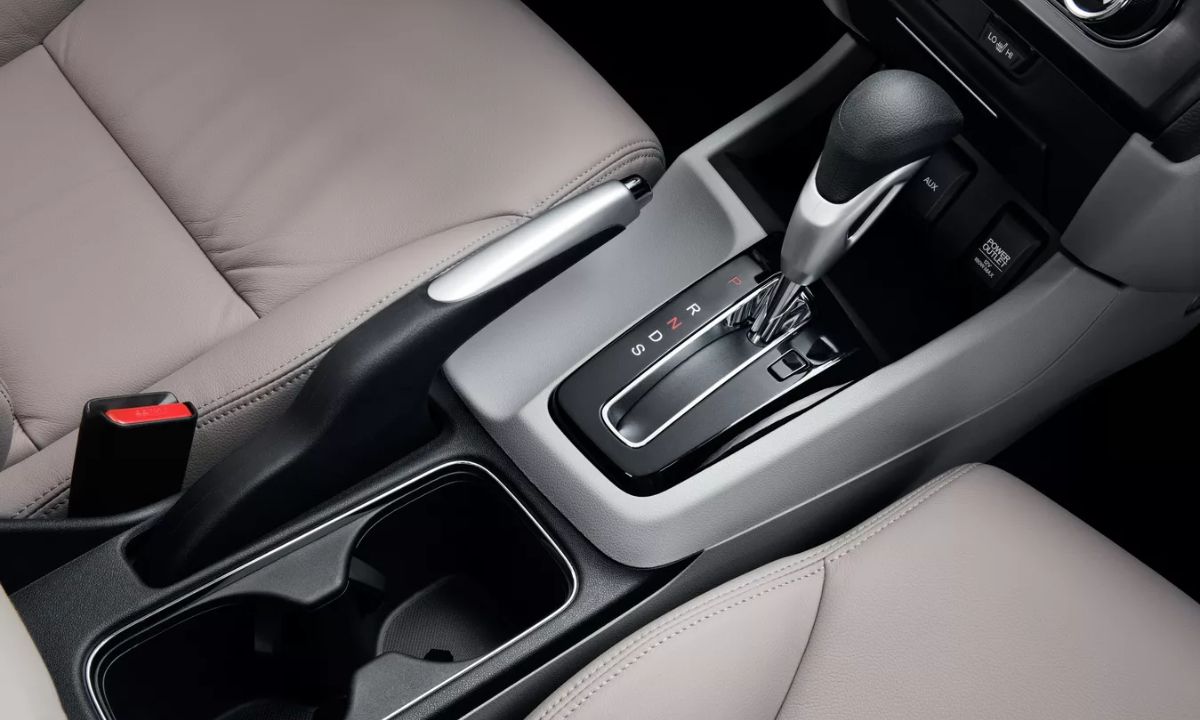
Honda automatics and CVTs deliver smooth shifts when properly maintained, but fluid degradation or solenoid wear quickly illuminates these codes.
- P0700 – Automatic Transmission Control System Malfunction: General flag—always scan for additional transmission-specific codes.
- P0705 / P0706 – Transmission Range Switch Circuit Problems: Misadjusted or failed inhibitor switch causing incorrect gear indication.
- P0711 / P0712 / P0713 – ATF Temperature Sensor Issues: Faulty sensor or wiring leading to limp mode.
- P0715 / P0716 / P0717 – Mainshaft Speed Sensor Problems: Damaged sensor or tone ring on the shaft.
- P0720 / P0721 / P0722 – Countershaft Speed Sensor Circuit: Similar to mainshaft; check harness at the transmission case.
- P0730 / P0731 through P0735 – Incorrect Gear Ratio or Clutch Pressure Issues: Worn clutches, low fluid level, or stuck shift solenoids.
- P0740 / P0741 – Torque Converter Clutch Circuit or Stuck Off: Fluid contamination or failed lock-up solenoid producing highway shudder.
- P0743 / P0745 / P0746 / P0747 / P0748 – Pressure Control or Shift Solenoid A/B/C Circuits: Electrical faults or sticking valves inside the solenoid assembly.
- P0750 through P0758 – Shift Solenoid Valve A/B Problems: Replace the solenoid pack after a complete fluid flush.
- P0775 / P0776 / P0777 / P0778 – Clutch Pressure Control Solenoid B Issues: Common in 5-speed automatics, resulting in harsh shifts.
- P0795 / P0796 / P0797 / P0798 – Clutch Pressure Control Solenoid C Faults: Similar hydraulic concerns.
- P0842 through P0848 – Clutch Pressure Switch Circuits: Internal transmission pressure sensor failures.
- P0962 – Clutch Pressure Control Solenoid A Circuit Low: Wiring harness or solenoid replacement required.
ABS, VSA, and chassis codes
Safety systems require immediate attention. Wheel speed sensor codes remain the most common.
- Code 11 – Right Front Wheel Sensor Open/Short: Damaged wiring or sensor from curb impacts.
- Code 13 – Left Front Wheel Sensor Circuit Fault.
- Code 15 / 17 – Rear Wheel Sensors: Corrosion at the hub assembly, especially in snowy regions.
- Codes 12, 14, 16, 18 – Wheel Sensor Intermittent Signals: Dirty tone rings packed with brake dust.
- Codes 21-24 – Pulser Ring Abnormal: Cracked or missing teeth on the ABS ring.
- Codes 31-38 – Solenoid Valve Shorts for Individual Wheels: Internal ABS modulator faults.
- Codes 51-53 – ABS Motor Lock or Failure: Pump motor seized by moisture ingress.
- Code 61 / 62 – System Voltage or Power Supply Low: Weak battery or poor ground affecting the module.
- Code 71 – Tire Size or Diameter Mismatch: Occurs after incorrect tire replacement.
- Code 81 – ABS CPU or Control Unit Failure: Requires module replacement or reprogramming.
Supplemental restraint system (SRS) Airbag codes
Airbag codes protect occupants and must be addressed with extreme care—never bypass or ignore them.
- Code 1-1 / 1-2 – Driver Airbag Inflator Open Circuit or High Resistance: Clock spring wear or seat wiring damage after seat removal.
- Code 1-3 / 1-5 – Driver Airbag Short to Ground/Power: Pinched harness under the seat.
- Code 2-1 / 2-2 – Passenger Airbag Inflator Issues: Connector or module problems.
- Codes 3-x – Seat Belt Tensioner Open/Short: Pretensioner circuit faults after minor collisions.
- Codes 5-x – SRS Control Unit Internal Malfunction: Water damage or stored crash data.
- Code 9-1 / 9-2 – SRS Power Supply or Unit Failure: Fuse or ground issues.
- B0001 – Driver Frontal Stage 1 Deployment Control: Modern equivalent on post-2005 models.
- B0010 – Passenger Frontal Stage 1: Similar stage deployment faults.
- B0028 / B0029 – Side Airbag or Curtain Issues: Seat side-impact sensor wiring.
- B0181 / B0182 – OPDS (Occupant Position Detection System) Sensor Faults: Mat sensor under passenger seat requires recalibration or replacement.
Network communication and electrical codes
Modern Hondas rely on multiple control modules communicating over CAN bus.
- U0100 / U0101 – Lost Communication with ECM/PCM or TCM: Damaged CAN wiring or low battery voltage during module programming.
- U0151 – Lost Communication with SRS Module: Common after battery disconnect without proper reset.
- U0122 – Lost Communication with VSA Module: ABS-related bus fault.
- P0560 / P0563 – System Voltage or ECM Power Source Issues: Alternator regulator or main relay problems.
- P0603 / P0606 – ECM/PCM Internal Memory or Processor Errors: Requires reflashing or module replacement after verifying power and ground integrity.
With more than 75 distinct codes detailed above (and hundreds more possible depending on model year and equipment), this guide equips Honda owners and technicians to interpret the vast majority of DTC scenarios. Always begin diagnosis by confirming battery voltage and grounds, scanning every module—not just the powertrain—and performing thorough visual inspections of harnesses at flex points such as door jambs and under the hood. Recurring codes after repair often indicate deeper wiring or software concerns best resolved with Honda’s official diagnostic software. Consistent adherence to factory maintenance schedules—timely fluid changes, genuine filters, and periodic sensor cleaning—prevents the majority of these faults and keeps your Honda operating at peak performance for hundreds of thousands of miles. When complex diagnosis is required, a trusted technician experienced with Honda systems ensures the repair is completed correctly the first time.