What engine oil to use in Ford vehicles: Recommended specifications, approvals, viscosity, and common mistakes
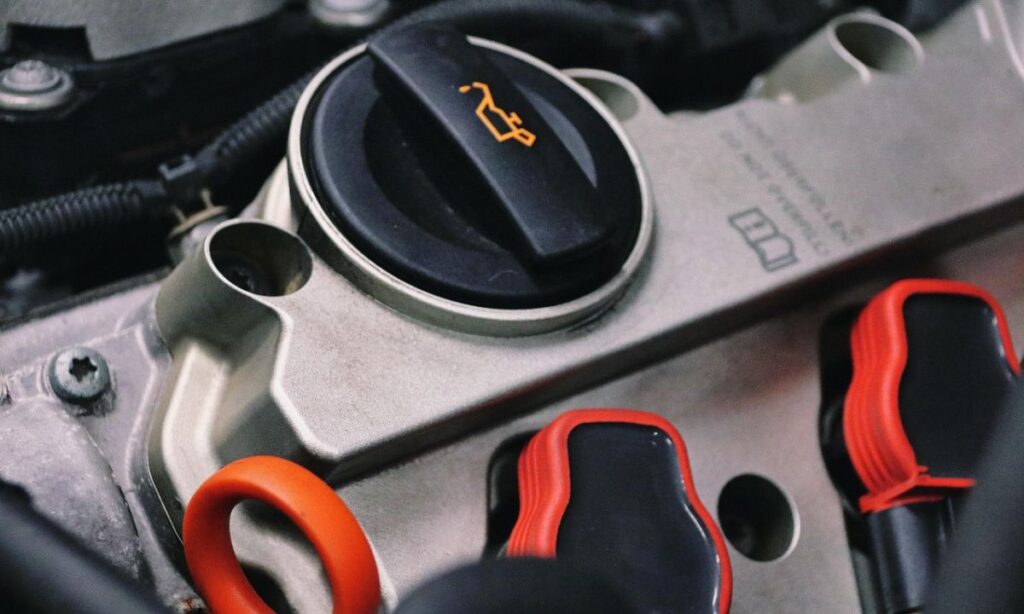
Choosing the correct engine oil for a Ford is one of the simplest yet most important maintenance decisions you can make. Using the wrong viscosity, specification, or low-quality oil can lead to increased wear, reduced fuel economy, VCT (variable cam timing) solenoid sticking, timing chain stretch, or even catastrophic engine damage in modern EcoBoost and modular engines. Ford has very strict requirements — they do not accept “meets or exceeds” claims; the oil must carry the official Ford approval on the bottle.
This comprehensive guide explains exactly which oil Ford recommends by engine family, model year, and application as of 2026. It covers the current WSS-M2C specifications, viscosity grades, why Ford is so picky, and real-world tips from technicians who service thousands of Fords annually.
Current Ford motorcraft oil specifications (WSS-M2Cxxxx)
Ford publishes its own Worldwide Specification (WSS) standards. The most important ones for 2025–2026 vehicles are:
- WSS-M2C961-A1 — The current primary specification for almost all gasoline engines (replaced WSS-M2C947-A and WSS-M2C950-A in most applications).
Viscosity: SAE 0W-20
Full synthetic, API SP / ILSAC GF-6A or better
Used in: Most 2018+ EcoBoost (1.5L, 2.0L, 2.3L, 2.7L, 3.0L, 3.5L), 3.3L V6, 5.0L Coyote V8 (2018+), hybrid powertrains. - WSS-M2C962-A1 — SAE 0W-30 full synthetic (API SP / ILSAC GF-6A)
Used in: Some high-performance applications, Police Interceptor Utility (3.3L hybrid), certain 2024+ F-150 5.0L in hot climates, and specific export markets. - WSS-M2C963-A1 — SAE 5W-30 full synthetic
Used in: Older modular V8s (4.6L, 5.4L Triton pre-2011), some 3.7L Cyclone V6, and vehicles where 0W-20 is not approved. - WSS-M2C929-A / WSS-M2C946-B1 — Older 5W-20 specifications (mostly phased out after 2018).
- WSS-M2C913-D → WSS-M2C913-E (current) — SAE 5W-30 for many European-market Fords and diesels (Transit, Ranger overseas).
- Motorcraft SAE 0W-40 (WSS-M2C931-C) — High-performance synthetic for Shelby GT500 supercharged 5.2L V8 Predator engine.
Recommended oil by popular Ford engine families
EcoBoost Turbo Gasoline Engines (1.0L, 1.5L, 2.0L, 2.3L, 2.7L, 3.0L, 3.5L)
- 2018–present: Motorcraft SAE 0W-20 meeting WSS-M2C961-A1
- Earlier 2011–2017 3.5L EcoBoost: originally 5W-30 WSS-M2C946-A, but Ford updated many to 0W-20 via TSBs (check your owner’s manual or Ford PASS app).
- Change interval: 7,500–10,000 miles / 12 months under normal conditions.
5.0L Coyote V8 (Mustang, F-150, Explorer)
- 2018–present: Motorcraft SAE 0W-20 WSS-M2C961-A1 (most common)
- 2011–2017: 5W-20 or 5W-30 depending on year (check manual)
- Shelby GT500 (supercharged 5.2L): Motorcraft SAE 0W-40 WSS-M2C931-C
3.3L V6 (F-150 base, Police Interceptor)
- Naturally aspirated: Motorcraft SAE 0W-20 WSS-M2C961-A1
- Police Interceptor hybrid variant: often 0W-30 WSS-M2C962-A1
3.7L / 3.5L Cyclone / Duratec V6 (pre-EcoBoost, 2007–2019)
- Motorcraft SAE 5W-20 or 5W-30 (check year-specific manual)
Diesel Engines (Power Stroke 3.0L V6, 6.7L V8)
- Motorcraft SAE 10W-30 CK-4 or FA-4 (heavy-duty diesel) meeting WSS-M2C171-F1
- Cold climates: 5W-40 synthetic possible per TSB
Why Ford insists on specific approvals
- Timing chain and VCT protection — Modern EcoBoost engines use variable valve timing solenoids and phasers that are extremely sensitive to oil viscosity and additive packages. Wrong oil causes sticking, noise, and eventual cam phaser failure.
- Turbocharger longevity — Turbos run extremely hot; the oil must have excellent shear stability and deposit control.
- Fuel economy and emissions — Thinner 0W-20 oils reduce internal friction, helping meet CAFE standards.
- Warranty protection — Using non-approved oil can void powertrain warranty claims if engine damage is traced to lubrication issues.
Approved brands besides motorcraft
Any oil that explicitly states on the back label:
“Meets Ford WSS-M2C961-A1” (or the relevant spec) is safe. Common reliable choices:
- Mobil 1 ESP 0W-20 / Advanced Full Synthetic 0W-20
- Pennzoil Platinum / Ultra Platinum 0W-20
- Valvoline Advanced Full Synthetic 0W-20
- Castrol EDGE 0W-20
- Royal Purple 0W-20
- Amsoil Signature Series 0W-20 (with Ford approval listed)
Avoid “dexos1 Gen 3” only oils unless they also carry the Ford WSS stamp — GM and Ford specs are close but not identical.
Quick reference table – Most common Ford models (2020–2026)
| Model / Engine | Recommended Oil | Spec | Typical Interval |
|---|---|---|---|
| F-150 2.7L / 3.5L EcoBoost | SAE 0W-20 full synthetic | WSS-M2C961-A1 | 7,500–10,000 mi |
| F-150 5.0L Coyote | SAE 0W-20 full synthetic | WSS-M2C961-A1 | 7,500–10,000 mi |
| Mustang GT 5.0L (2018+) | SAE 0W-20 full synthetic | WSS-M2C961-A1 | 5,000–7,500 mi |
| Mustang Shelby GT500 5.2L SC | SAE 0W-40 full synthetic | WSS-M2C931-C | 5,000 mi |
| Explorer 3.0L EcoBoost | SAE 0W-20 full synthetic | WSS-M2C961-A1 | 7,500–10,000 mi |
| Bronco 2.3L / 2.7L EcoBoost | SAE 0W-20 full synthetic | WSS-M2C961-A1 | 7,500–10,000 mi |
| Maverick 2.0L EcoBoost / Hybrid | SAE 0W-20 full synthetic | WSS-M2C961-A1 | 10,000 mi |
Real-world tips from technicians
- Always use a Motorcraft FL-500S / FL-2062S (or equivalent) oil filter with 0W-20 — cheap filters can bypass and cause low oil pressure issues.
- Change oil every 5,000–7,500 miles if you do short trips, towing, dusty conditions, or track driving — the OLM (Oil Life Monitor) is conservative only under ideal conditions.
- In extreme heat (>100°F regularly) or severe duty, consider stepping up to 0W-30 WSS-M2C962-A1 on some V8s.
- Never use conventional oil in turbo engines — full synthetic is mandatory.
- Check your owner’s manual or Ford’s official site / FordPass app for your VIN-specific recommendation — Ford occasionally updates approvals via TSBs.
Using the correct Ford-approved oil is cheap insurance for engine longevity. Stick to the spec on the bottle, change it on time, and your Ford will reward you with hundreds of thousands of trouble-free miles.