Toyota Prius XW60 2022+ Fuses: Complete Box Guide
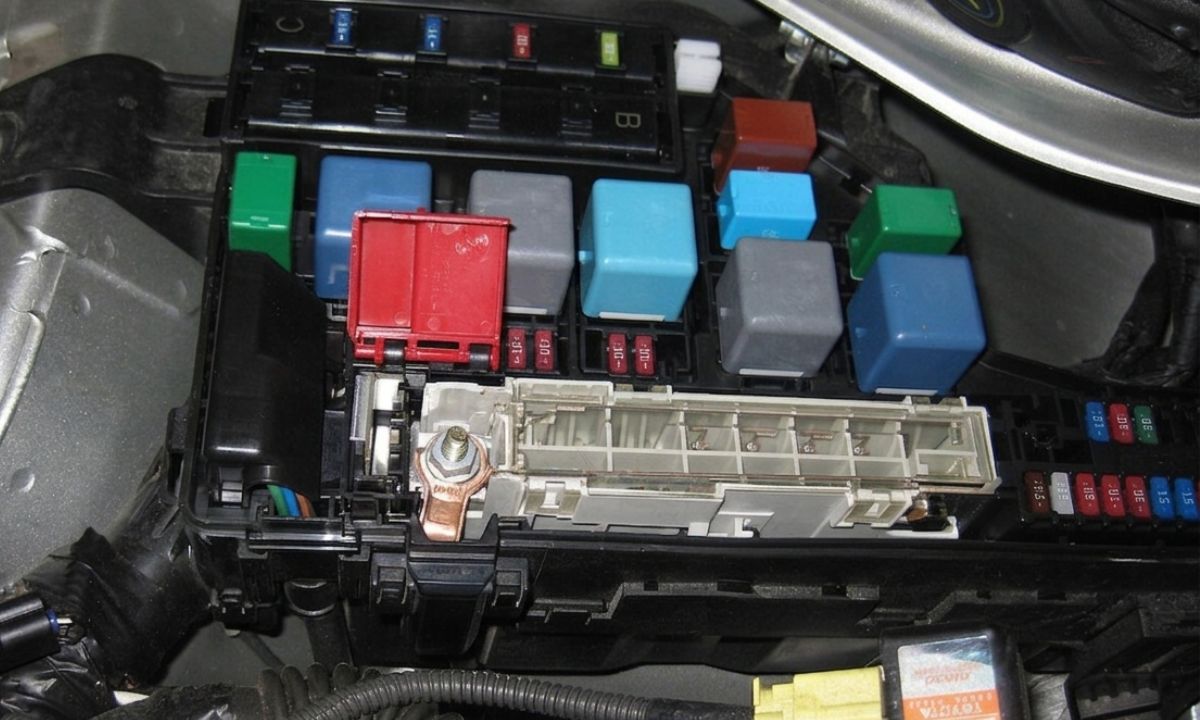
The Toyota Prius XW60 generation, launched in 2022 as the fifth-generation Prius, features a fully redesigned electrical architecture to support its advanced hybrid drivetrain, plug-in hybrid variant (PHEV/Prime), and extensive suite of driver assistance technologies. Understanding the fuse layout in this vehicle is essential for diagnosing electrical faults, safely replacing blown fuses, and avoiding damage to sensitive electronics. This guide covers every fuse box location, every fuse rating, and every circuit function for the XW60 Prius.
Fuse Box Locations in the Toyota Prius XW60 (2022+)
The XW60 Prius has three primary fuse box locations:
- Instrument Panel Fuse Block (Driver’s Side) – located beneath the dashboard on the driver’s side, accessible by removing the lower trim panel
- Engine Compartment Fuse Block – located in the engine bay on the left (driver’s) side near the battery and relay box
- Hybrid System Fuse / High-Voltage Safety Plug – located in the rear of the vehicle under the cargo floor (PHEV/Prime) or near the rear seat (HEV), part of the high-voltage battery service disconnect
Instrument Panel (Interior) Fuse Block – XW60 Prius
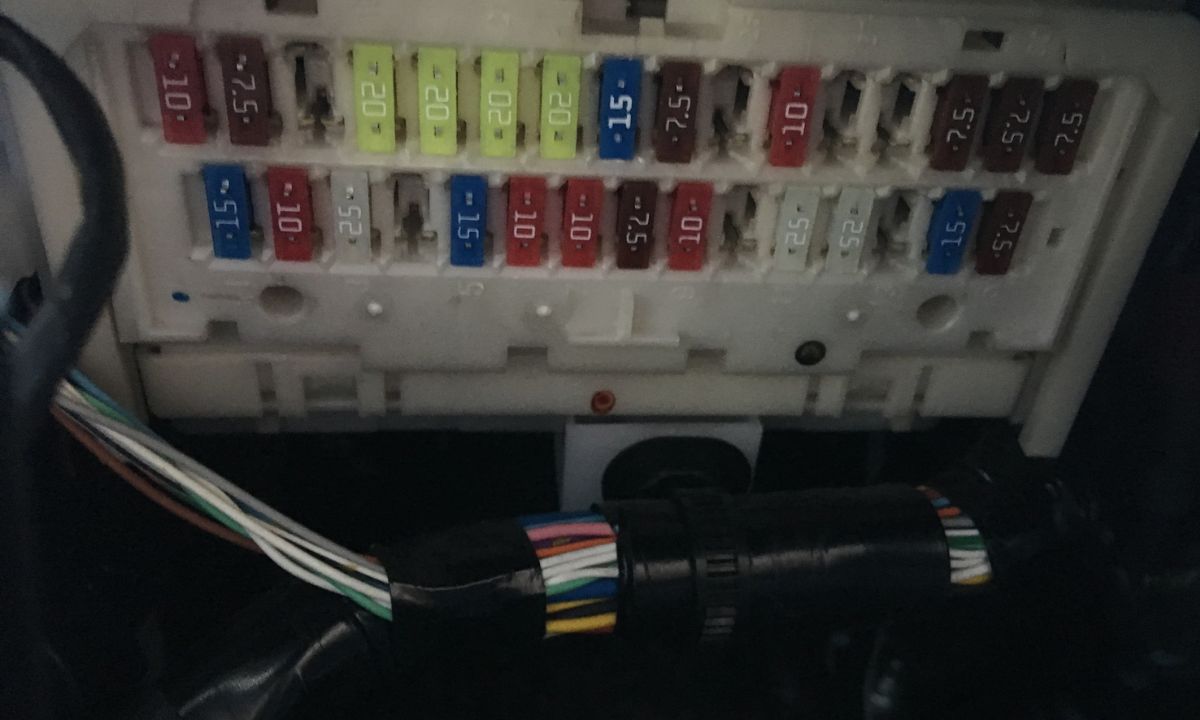
The interior fuse block is a low-current distribution point for cabin electronics. Always use a fuse puller when removing fuses from this block. Replace only with fuses of identical amperage and type.
- Fuse 1 – 7.5A – Combination meter, instrument cluster
- Fuse 2 – 10A – Power steering (EPS) control module
- Fuse 3 – 7.5A – Door lock control, keyless entry receiver
- Fuse 4 – 10A – Air conditioning control panel, blower relay
- Fuse 5 – 15A – Front wiper motor and washer pump
- Fuse 6 – 10A – Audio system, infotainment head unit
- Fuse 7 – 7.5A – Toyota Safety Sense (TSS-3.0) camera and radar control
- Fuse 8 – 10A – Backup camera module, display audio
- Fuse 9 – 7.5A – Multi-information display, HUD system
- Fuse 10 – 15A – Cigarette lighter / accessory socket (front)
- Fuse 11 – 7.5A – Body control module (BCM), gateway ECU
- Fuse 12 – 10A – SRS airbag control module
- Fuse 13 – 10A – Seat heaters (front left and right)
- Fuse 14 – 7.5A – Steering wheel controls, horn relay signal
- Fuse 15 – 15A – Rear window defroster relay coil
- Fuse 16 – 10A – Interior lighting, dome light, map lights
- Fuse 17 – 7.5A – OBD-II diagnostic port (DLC3), CAN bus
- Fuse 18 – 20A – Power windows (front driver and passenger)
- Fuse 19 – 20A – Power windows (rear left and right)
- Fuse 20 – 10A – Sunroof / panoramic glass roof motor
- Fuse 21 – 15A – Heated steering wheel module
- Fuse 22 – 7.5A – Anti-theft / immobilizer ECU, transponder key
- Fuse 23 – 10A – Blind spot monitor (BSM) radar units (left and right)
- Fuse 24 – 10A – Parking assist ECU, sonar sensors
- Fuse 25 – 7.5A – Wireless charging pad (if equipped)
Engine Compartment Fuse Block – XW60 Prius
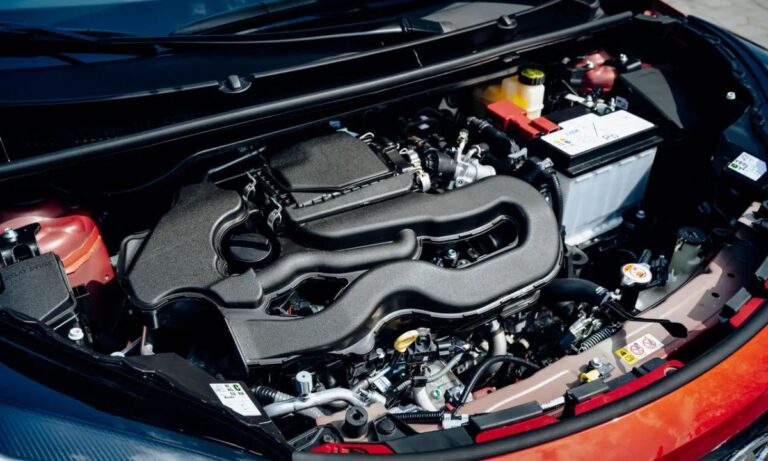
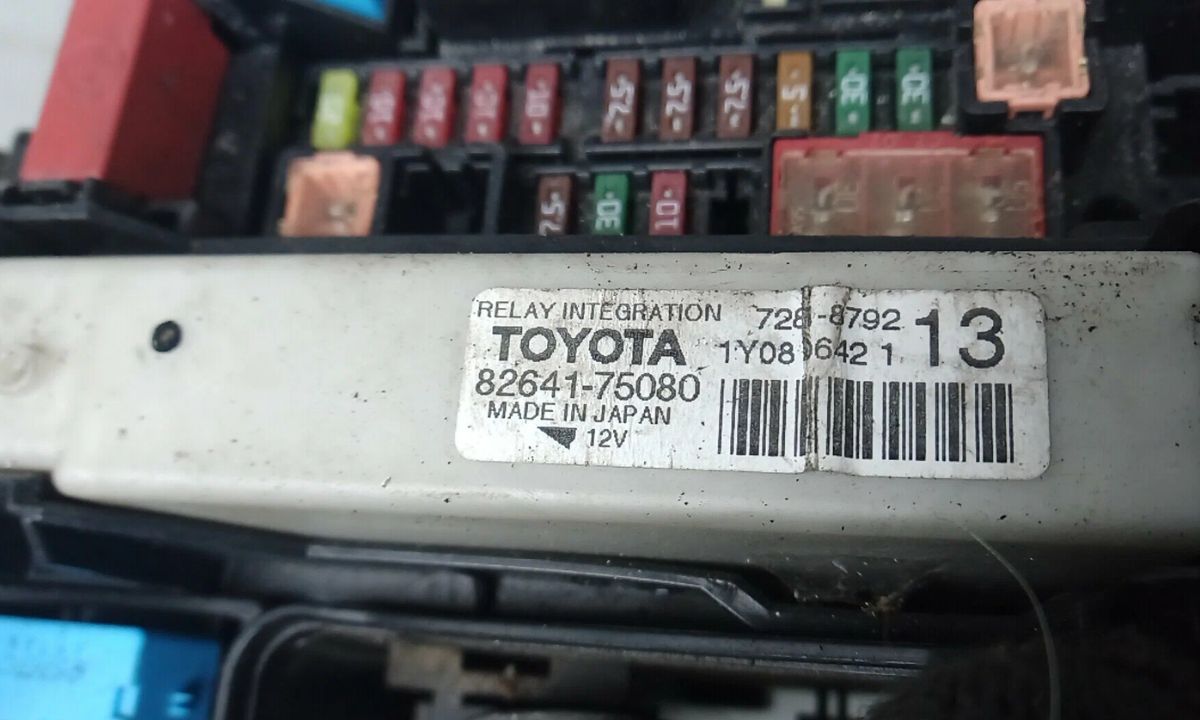
The under-hood fuse block handles high-current circuits for the 12V conventional battery, hybrid control systems, lighting, and powertrain ancillaries. The XW60 retains a conventional 12V lead-acid auxiliary battery (or AGM on some markets) separate from the high-voltage traction battery.
- Fuse/Relay 1 – 120A – Main fusible link (battery to BCM / power distribution)
- Fuse/Relay 2 – 80A – Hybrid Vehicle (HV) ECU main power supply
- Fuse/Relay 3 – 60A – Electric water pump and inverter cooling system
- Fuse/Relay 4 – 40A – HVAC blower motor high-current feed
- Fuse/Relay 5 – 40A – ABS / Vehicle Stability Control (VSC) actuator
- Fuse/Relay 6 – 30A – Electric Power Steering (EPS) motor
- Fuse/Relay 7 – 30A – Rear defroster heating element (high current)
- Fuse/Relay 8 – 20A – Engine compartment accessory relay box feed
- Fuse/Relay 9 – 20A – Headlight assembly (LED units, left and right)
- Fuse/Relay 10 – 15A – DRL / Daytime Running Lights, position lamps
- Fuse/Relay 11 – 15A – Tail lights, brake lights, license plate lamp
- Fuse/Relay 12 – 10A – Horn assembly (dual tone)
- Fuse/Relay 13 – 30A – DC-DC converter (HV to 12V step-down) supply
- Fuse/Relay 14 – 20A – Fuel pump (PHEV Prime only, engine start assist)
- Fuse/Relay 15 – 15A – Engine control module (ECM) / hybrid management
- Fuse/Relay 16 – 10A – Transmission / transaxle control (P4 shift actuator)
- Fuse/Relay 17 – 20A – OBD charging port onboard charger control (PHEV only)
- Fuse/Relay 18 – 30A – AC compressor (electric scroll compressor relay)
- Fuse/Relay 19 – 15A – Cooling fan motor control module
- Fuse/Relay 20 – 10A – Oxygen sensors / NOx sensors, emissions ECU
High-Voltage System Service Plug (Safety Disconnect)
The XW60 Prius high-voltage system operates at approximately 197V (HEV) or 220V (PHEV/Prime). The service plug / safety disconnect is not a standard blade fuse — it is a dedicated high-voltage manual service disconnect (MSD) that must be removed before any hybrid system service. It includes an internal high-voltage fuse (typically 125A–150A HV rated) that protects the traction battery pack and inverter from overcurrent events. Never attempt to remove or inspect this plug without full HV safety training and insulated gloves rated for at least 1000V.
Important Fuse Replacement Guidelines for XW60 Prius
- Always turn off the ignition and remove the hybrid system key before accessing any fuse box
- Use only Toyota-specified fuse types: mini blade (low-profile), standard blade, or maxi fuse depending on the circuit
- Never replace a blown fuse with a higher amperage — this risks wiring harness fires and ECU damage
- If a fuse blows repeatedly, diagnose the root cause (short circuit, overload, or failed component) before replacing
- The XW60 uses a CAN bus network; a blown body control fuse can cause multiple simultaneous warning lights
- Fuse box diagrams are printed on the inside of fuse box covers and detailed in the Toyota XW60 Repair Manual (RM Series)
- The auxiliary 12V battery is located in the trunk/cargo area on the XW60, not under the hood — disconnect it here for electrical repairs