Check Engine light on Chevrolet: why it comes on, error code decoding, and how to fix it
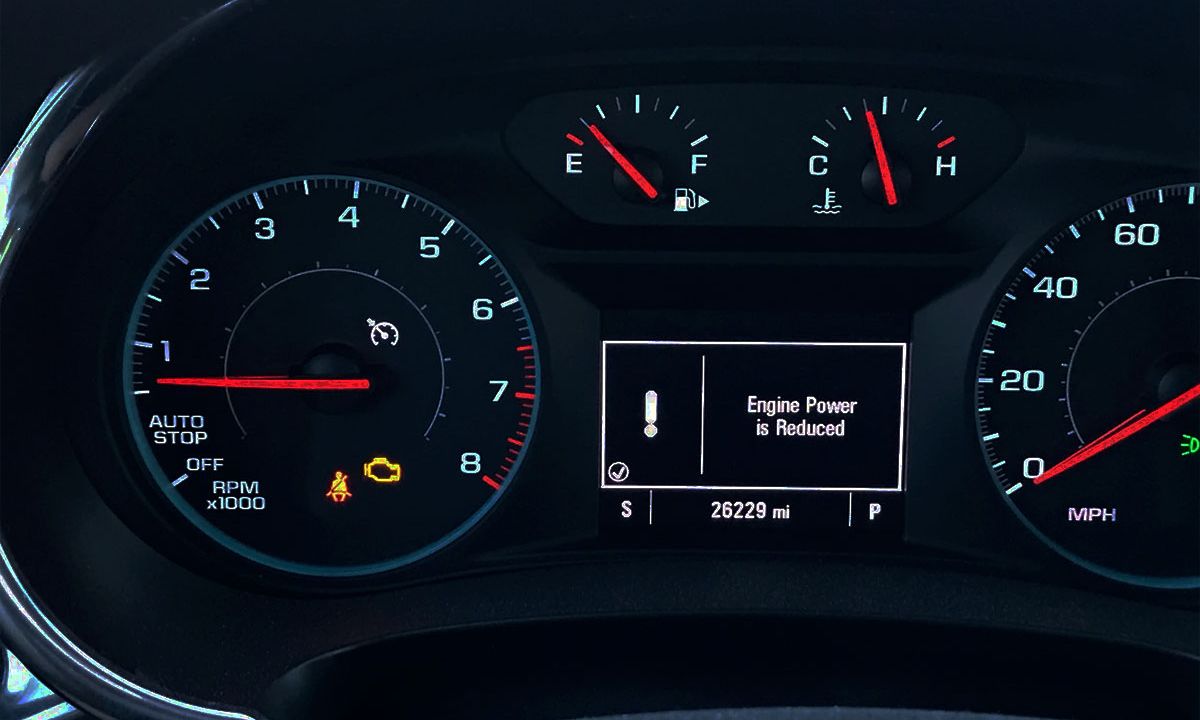
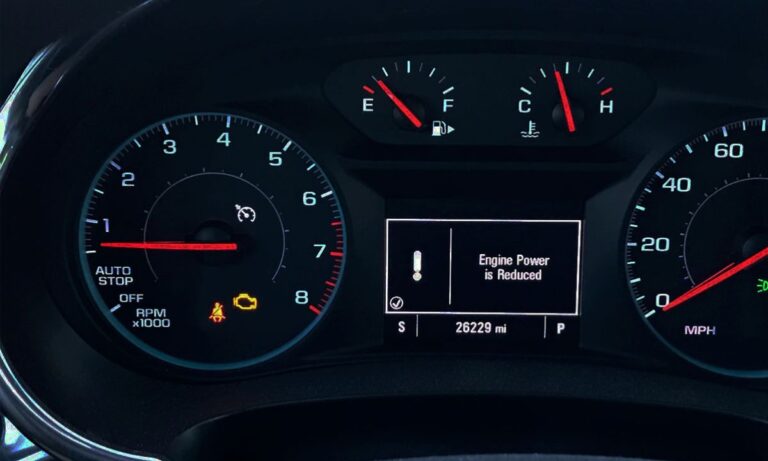
The Check Engine light on your Chevrolet is a warning you should never ignore — it signals issues in the engine or related systems that can affect fuel economy, performance, and driving safety. Whether you drive a Cruze, Malibu, Tahoe, Silverado, or Equinox, this light often appears unexpectedly after refueling or during normal use. Many owners face this situation and wonder if it’s a minor glitch or something serious. Quick diagnosis usually prevents expensive repairs and helps preserve engine life. In this article, we explain the most common reasons, decode 20 popular error codes, and share practical fixes.
Why the Check Engine light activates on Chevrolet vehicles
The indicator turns on when the engine control unit detects deviations from normal operation in fuel, ignition, exhaust, or sensor systems. On Chevrolet models it can stay on steadily or flash during misfires. Common triggers include simple issues like a loose gas cap or dirty sensors, while more serious causes involve the catalytic converter or injectors. Ignoring the light leads to higher fuel consumption, power loss, and risk of damaging expensive components. The first and most important step is always reading the diagnostic trouble codes with an OBD-II scanner.
Main reasons the light comes on
- Faulty or worn spark plugs and ignition coils
- Problems with oxygen sensors (lambda sensors)
- Air leaks in the intake system or dirty mass airflow sensor
- Issues in the EVAP (fuel vapor control) system
- Reduced efficiency of the catalytic converter
- Problems with fuel injectors or fuel pump
- Faulty crankshaft or camshaft position sensors
- Engine overheating or poor fuel quality
Decoding 20 common error codes and fixes
P0101 — Mass airflow sensor circuit range or performance problem. Cause: contamination or failure. Fix: clean with special cleaner or replace the sensor.
P0102 / P0103 — Low or high input from mass airflow sensor. Cause: wiring damage or short circuit. Fix: inspect and repair wiring, replace sensor if needed.
P0117 / P0118 — Engine coolant temperature sensor circuit low or high. Cause: faulty sensor. Fix: replace the sensor and check coolant level.
P0122 / P0123 — Throttle position sensor circuit low or high. Cause: wear or dirt. Fix: clean the throttle body and replace sensor.
P0131 / P0132 — Oxygen sensor circuit low or high voltage (bank 1 sensor 1). Cause: contamination or failure. Fix: replace the oxygen sensor.
P0171 — System too lean (bank 1). Cause: air leak, dirty MAF sensor, or weak fuel pump. Fix: repair leaks, clean sensor, check fuel pressure.
P0172 — System too rich (bank 1). Cause: clogged injectors or faulty pressure regulator. Fix: clean or replace injectors and related parts.
P0300 — Random or multiple cylinder misfire detected. Cause: spark plugs, coils, or injectors. Fix: replace spark plugs and test coils.
P0301–P0304 — Misfire in cylinder 1 to 4. Cause: faulty spark plug or coil in that cylinder. Fix: diagnose and replace components cylinder by cylinder.
P0327 — Knock sensor circuit low input. Cause: damaged sensor. Fix: replace the knock sensor.
P0335 — Crankshaft position sensor circuit malfunction. Cause: wiring issue or contamination. Fix: check connections and replace sensor.
P0340 — Camshaft position sensor circuit malfunction. Cause: wear or wiring problem. Fix: replace the sensor.
P0401 — Exhaust gas recirculation flow insufficient. Cause: clogged EGR valve. Fix: clean or replace the EGR valve.
P0420 — Catalyst system efficiency below threshold (bank 1). Cause: worn catalytic converter. Fix: replace the converter (or use approved alternatives depending on local regulations).
P0442 — Evaporative emission system leak detected (small leak). Cause: loose or damaged gas cap. Fix: tighten or replace the cap.
P0455 — Evaporative emission system leak detected (large leak). Cause: damaged hoses or purge valve. Fix: inspect and repair the EVAP system.
P0507 — Idle air control system RPM higher than expected. Cause: dirty throttle body. Fix: clean the throttle body thoroughly.
P0601 — Internal control module memory checksum error. Cause: ECU software or hardware issue. Fix: reflash or replace the control unit.
P0700 — Transmission control system malfunction. Cause: issues inside the automatic gearbox. Fix: perform transmission diagnostics.
P2135 — Throttle/pedal position sensor switch A/B voltage correlation. Cause: worn pedal sensors. Fix: replace the accelerator pedal assembly.
Useful tips for diagnosis and prevention
Always start by reading codes with a reliable OBD-II scanner — this gives clear direction for repairs. After fixing the problem, clear the codes but let the system run several drive cycles to verify the fix. Change spark plugs every 30-60 thousand km, use quality fuel, and service air and fuel filters on schedule. These simple steps greatly reduce the chance of the Check Engine light appearing on your Chevrolet. If the light is flashing, stop driving immediately and seek professional help to avoid damaging the catalytic converter or engine. Professional diagnostics help catch hidden issues early and keep your vehicle reliable for years.