Ford F-150 Raptor: generations overview with detailed specifications, pros and cons
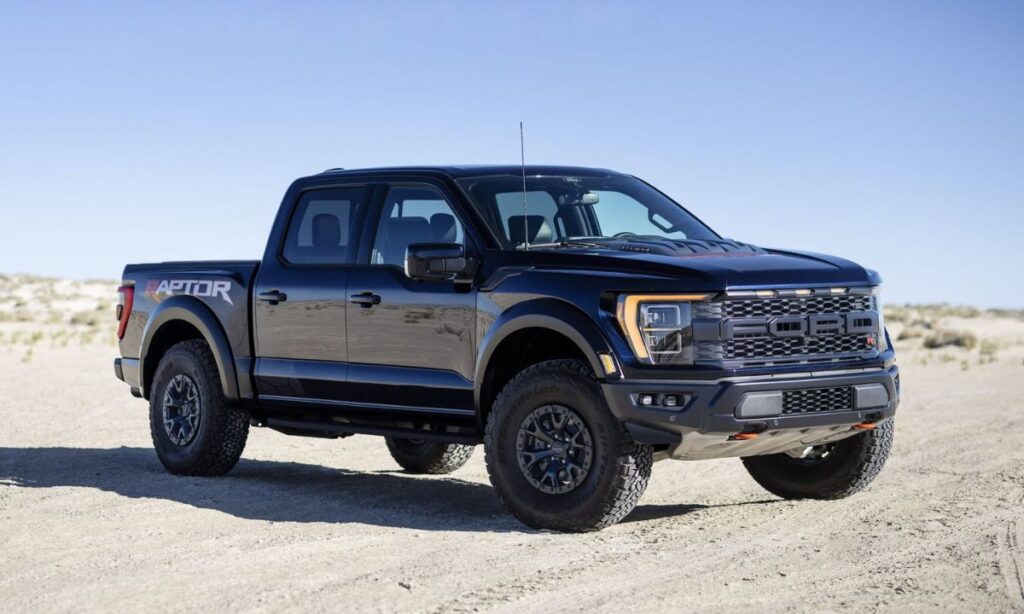
The Ford F-150 Raptor has become a true legend among off-road pickup trucks designed for high-speed conquest of rough terrain. This model combines power, advanced suspension, and exceptional off-road capabilities that allow confident performance in deserts, on highways, or in challenging conditions. Every owner gets not just a truck, but a tool for adventures with excellent dynamics and comfort. Over the years of evolution, the Raptor has undergone significant changes in engines, suspension, and technologies while retaining its signature aggressive character. This review covers all generations with a focus on key specifications, strengths, and weaknesses to help you choose the best option.
First generation Ford F-150 SVT Raptor
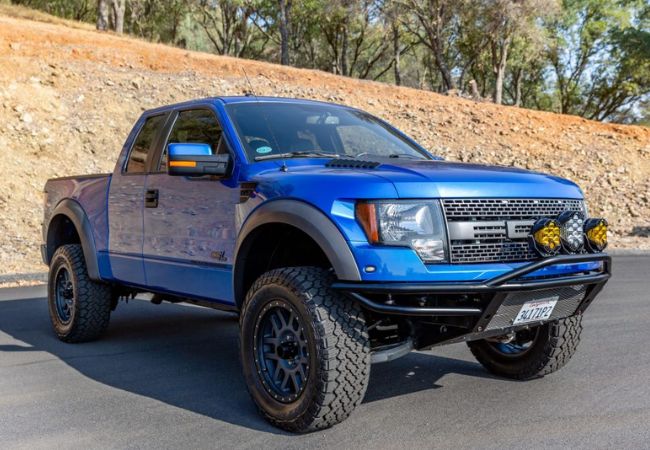
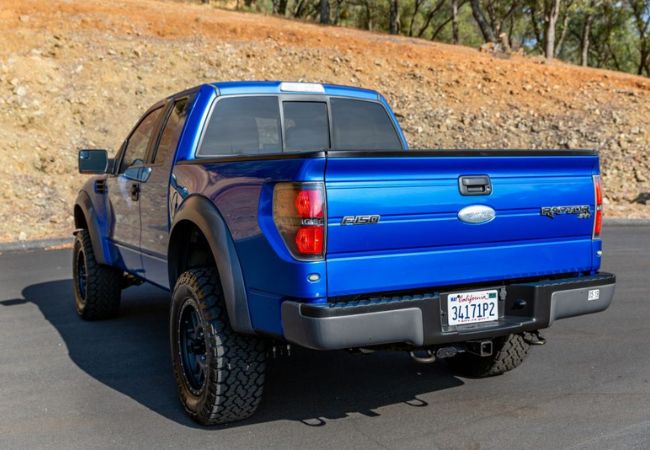
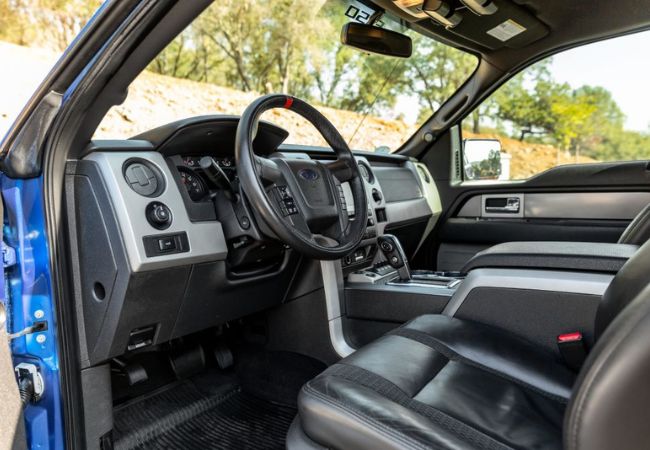
The first generation laid the foundation for the entire lineup. The model received a widened body, reinforced frame, and specialized Fox Racing Shox suspension with internal bypasses. This significantly increased wheel travel compared to standard F-150 models.
Key specifications:
- Engines: 5.4-liter V8 (early versions) or 6.2-liter V8 producing 411 hp and 434 lb-ft of torque.
- Transmission: 6-speed automatic.
- Suspension: approximately 11.2 inches front and 12.1 inches rear wheel travel, Fox 2.5 shocks.
- Ground clearance: about 9.5 inches.
- Tires: 35-inch BFGoodrich All-Terrain.
- Additional features: electronic locking rear differential, off-road driving modes.
Pros:
- Distinctive naturally aspirated V8 sound with instant throttle response.
- Robust construction and good reliability with proper maintenance.
- Excellent high-speed off-road performance.
- Spacious cabin and suitability for daily driving.
Cons:
- High fuel consumption.
- Less suspension travel compared to later generations.
- Lack of modern electronic aids in early versions.
- Stiffer handling on pavement.
This generation remains a favorite among enthusiasts for its authentic off-road character and high modification potential.
Second generation Ford F-150 Raptor
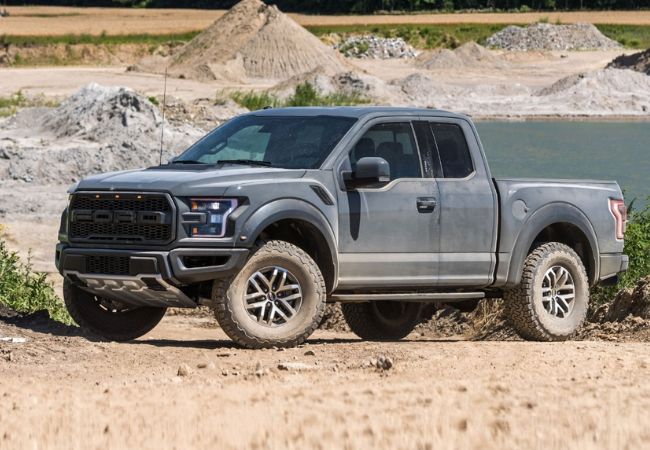
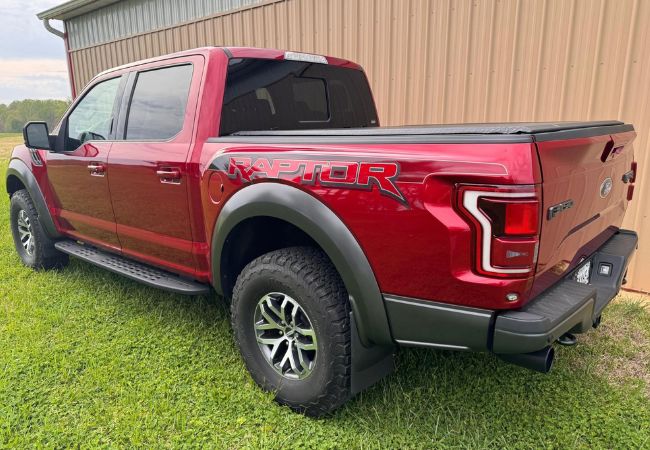
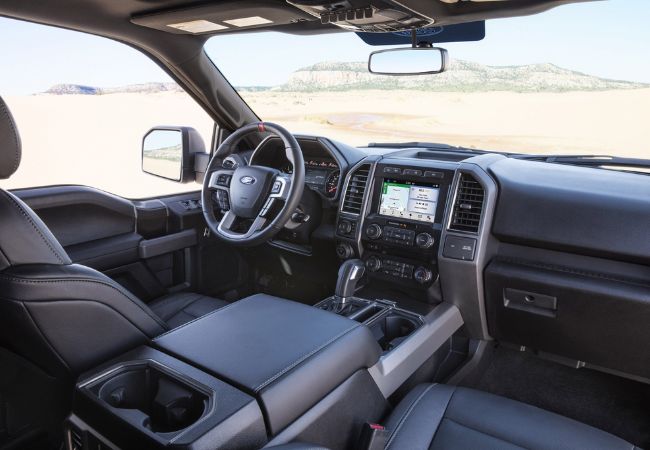
The second generation brought a revolution: a switch to an aluminum body for weight reduction, a more powerful turbocharged engine, and an upgraded suspension. The model became lighter, more dynamic, and more efficient while preserving its off-road roots.
Key specifications:
- Engine: 3.5-liter twin-turbo V6 EcoBoost producing 450 hp and 510 lb-ft of torque.
- Transmission: 10-speed automatic.
- Suspension: up to 13.0 inches front and 13.9 inches rear wheel travel, Fox 3.0 with Live Valve technology (in later versions).
- Ground clearance: about 11.5 inches.
- Tires: 35-inch.
- Additional features: multiple driving modes including Baja, improved aerodynamics.
Pros:
- Significantly better power-to-weight ratio thanks to the lightweight construction.
- Smooth and quick transmission with excellent low-end torque.
- Advanced adaptive suspension that adjusts to conditions in real time.
- Rich equipment with modern safety and comfort systems.
Cons:
- Less expressive engine sound compared to the V8.
- Potential turbo issues with aggressive use without proper care.
- More complex electronics requiring quality service.
The second generation perfectly balances everyday comfort and extreme capabilities.
Third generation Ford F-150 Raptor
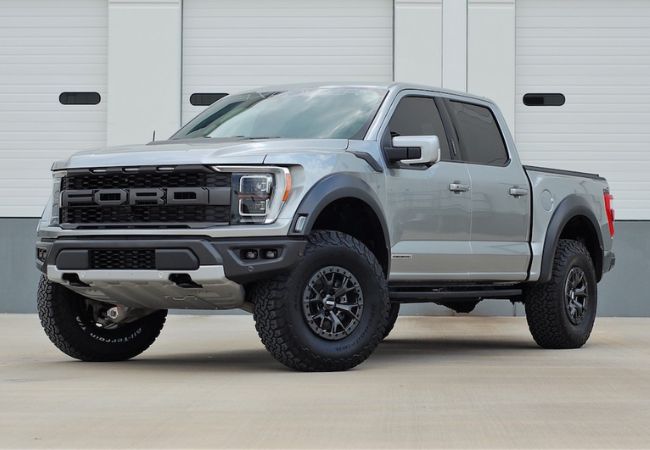
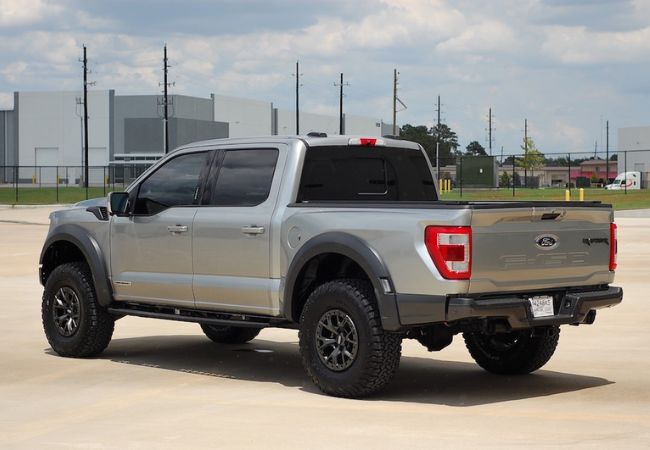
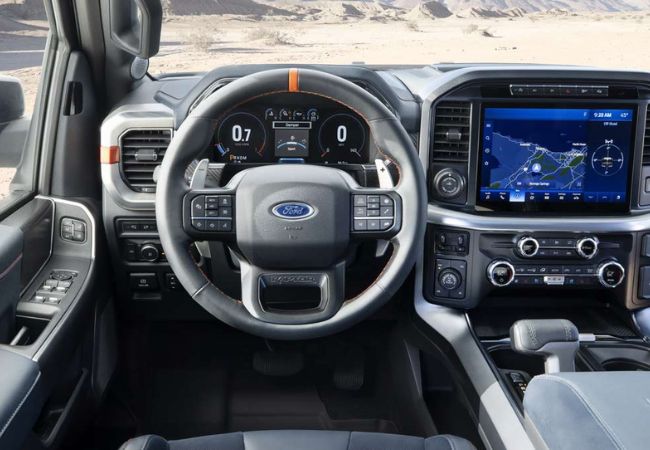
The third generation builds on the predecessor’s success with even more advanced suspension, new tires, and improved handling. The Raptor R version with a supercharged engine appeared for those seeking maximum power.
Key specifications:
- Engine: 3.5-liter twin-turbo V6 (450 hp, 510 lb-ft), optional 5.2-liter supercharged V8 in Raptor R (around 700 hp).
- Transmission: 10-speed automatic with refined tuning.
- Suspension: up to 14 inches front and 15 inches rear wheel travel, Fox 3.1 Live Valve, five-link rear setup.
- Ground clearance: up to 13.1 inches with 37-inch tires.
- Tires: optional 37-inch.
- Additional features: active exhaust system with multiple modes, reinforced frame, and advanced electronics.
Pros:
- Maximum off-road capability and stability at high speeds on rough terrain.
- Comfortable and quiet ride thanks to the sophisticated suspension.
- Wide selection of modes and technologies for different scenarios.
- High performance potential, especially in the Raptor R version.
Cons:
- Increased weight compared to the second generation due to additional reinforcements.
- Complexity and cost of maintaining high-tech components.
- Fuel consumption remains high during active driving.
This generation offers the best balance of technology and off-road performance.
Comparison of Ford F-150 Raptor generations
Each Raptor generation developed the concept with emphasis on different aspects. The first stands out for its naturally aspirated V8 and simplicity. The second wins in efficiency and suspension technology. The third dominates in off-road capability and comfort thanks to larger tires and the five-link rear architecture.
Common strengths across all generations include a reliable all-wheel-drive system, spacious body, and the ability to overcome serious obstacles. Differences appear in details: from engine sound to the level of electronic assistance. The choice depends on preferences — classic fans will pick the first, balance lovers the second, and those wanting the maximum the third.
Recommendations for choosing a Ford F-150 Raptor
When selecting a Ford F-150 Raptor, consider your usage style. For aggressive off-roading and jumps, choose versions with Fox Live Valve and greater travel. Regular maintenance of the suspension and engine will ensure long service life. Always check the vehicle’s history, especially the condition of turbos in the second and third generations or the V8 in the first. The third generation with 37-inch tires makes an excellent all-rounder for most drivers. The Raptor R suits those seeking extreme dynamics. In any case, this model delivers unforgettable driving emotions and confidence in all conditions.