2027 Volkswagen Atlas review: A Premium family SUV with bold upgrades and smart refinements
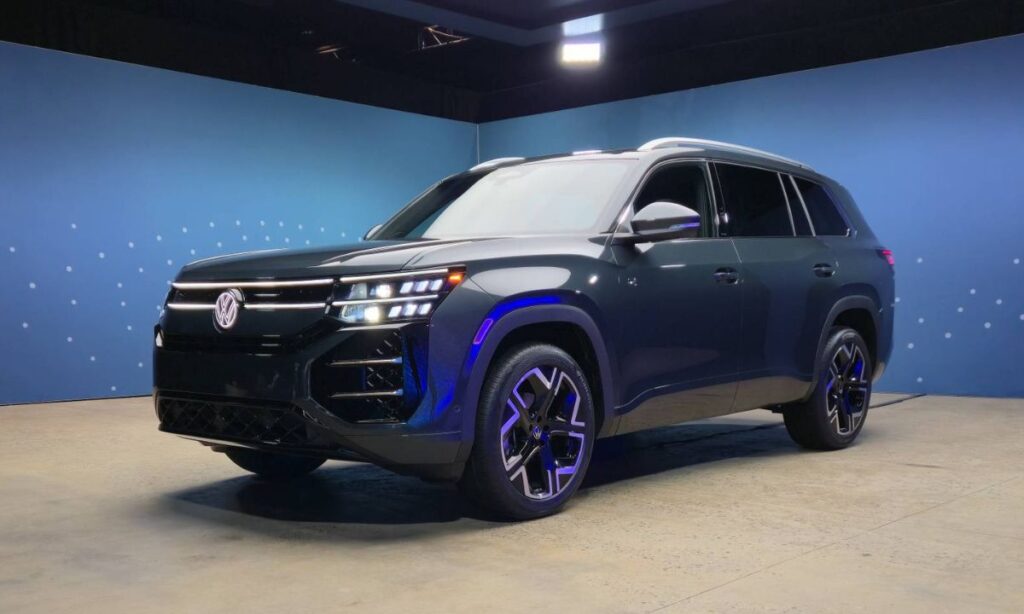
The Volkswagen Atlas has carved out a strong reputation as a spacious, practical three-row SUV tailored for American families. For the 2027 model year, Volkswagen introduces the second-generation Atlas with a comprehensive refresh that elevates its design, technology, and driving experience. Built on an evolved MQB Evo platform, the new Atlas combines fresh exterior styling, a more powerful turbocharged engine, and a significantly upgraded interior while preserving the generous space and versatility that made the original a bestseller.
Debuting at the 2026 New York International Auto Show, the 2027 Atlas arrives at dealerships in fall 2026. It represents a thoughtful evolution rather than a complete reinvention, focusing on premium materials, advanced driver assistance, and everyday usability for real-life families.
Exterior Design: Sleeker and More Premium
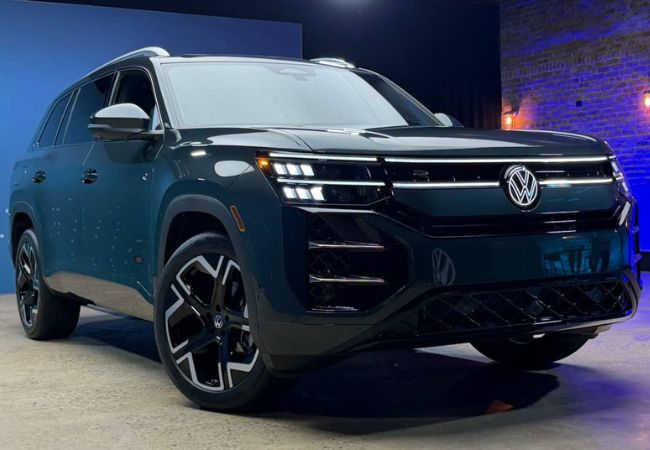
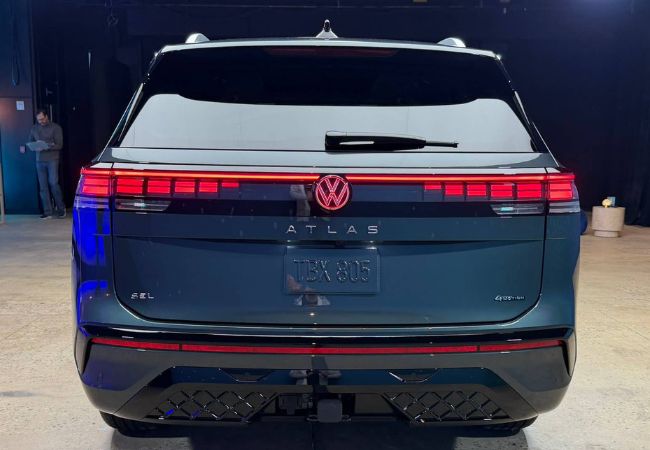
The 2027 Atlas retains its commanding, boxy presence but gains a more sophisticated and modern appearance. It measures about one inch longer than its predecessor, while width, height, and wheelbase remain largely unchanged for familiar proportions and excellent interior packaging.
Key exterior highlights include:
- All-new sheet metal with crisper lines and a more sculpted hood
- Redesigned front end featuring double-stacked LED headlights and a masked upper grille for a cleaner, more premium look
- Updated rear lighting and taillights that enhance the vehicle’s width visually
- Available R-Line styling packages with sportier bumpers, wheels, and blacked-out accents
These changes give the Atlas a fresher, upscale stance that better aligns it with Volkswagen’s European design language while maintaining the rugged appeal expected from a large family hauler.
Interior: A Major Leap in Comfort and Technology
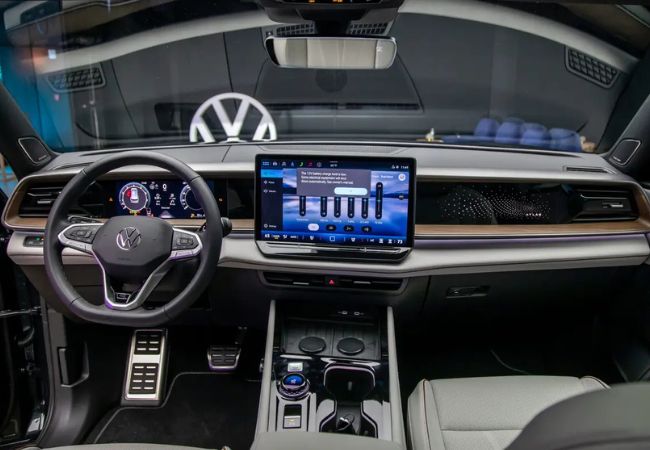
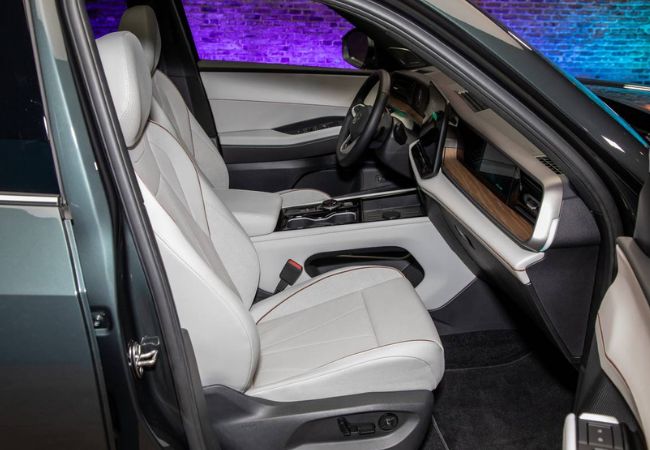
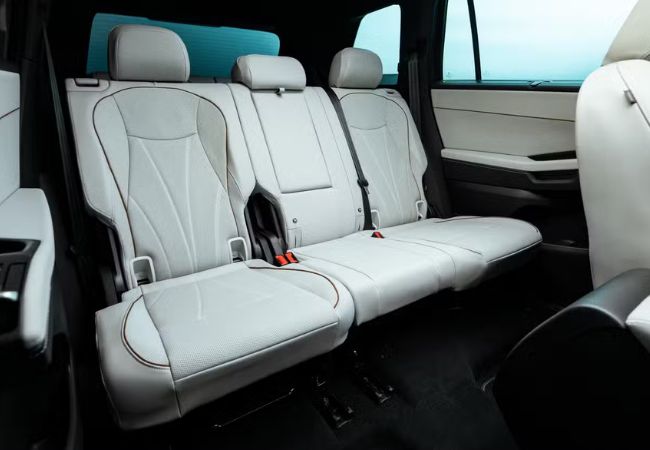
Inside, the 2027 Atlas delivers one of the most noticeable improvements. Volkswagen has completely reimagined the cabin with higher-quality materials, thoughtful ergonomics, and modern architecture.
The dashboard adopts a clean “loop” design with soft-touch surfaces, real wood decor on higher trims, and customizable ambient lighting. Standard features across most trims include leatherette seating, power liftgate, rear sunshades, and B-pillar air vents for better third-row comfort.
Technology upgrades are substantial:
- A standard 12.9-inch infotainment touchscreen on base models, with an available or standard 15-inch display on higher trims
- 10.25-inch Digital Cockpit Pro digital instrument cluster
- Dual wireless MagSafe-style charging pads upfront
- USB-C ports throughout all three rows
- Available heated and ventilated seats for the first and second rows, plus four-way massaging front seats on top trims
- Optional 14-speaker Harman Kardon premium audio system
Seating remains a strong suit. The Atlas comfortably accommodates seven passengers, with adult-friendly third-row space and flexible configurations, including optional second-row captain’s chairs. Cargo capacity stays generous, making it ideal for family road trips, sports gear, or weekend adventures. Available Varenna or Nappa leather upholstery further elevates the premium feel.
Powertrain: More Horsepower from a Refined Turbo Four
Under the hood, the 2027 Atlas ditches any previous V6 considerations and relies exclusively on an updated EA888 evo5 2.0-liter turbocharged inline-four engine. This Gen 5 unit produces 282 horsepower and 258 lb-ft of torque — making it the most powerful Atlas ever, with a 13 hp increase over the prior model.
Technical refinements include:
- Variable-geometry turbo with faster spool-up
- Miller-cycle cam timing for improved efficiency
- Advanced interconnected cooling system to manage temperatures and reduce knock
Power routes through an eight-speed automatic transmission. Front-wheel drive comes standard, while Volkswagen’s 4Motion all-wheel-drive system remains available across the lineup. Towing capacity holds steady at 5,000 pounds when properly equipped.
Volkswagen has indicated that a hybrid variant (likely mild-hybrid or plug-in) will join the range during a future mid-cycle refresh, adding electric boost and improved efficiency.
Real-world driving impressions suggest the new engine delivers strong mid-range performance suitable for highway merging and loaded family duty, though some reviewers note the slight torque reduction compared to the outgoing model may be noticeable during heavy acceleration with a full load.
Safety and Driver Assistance: Expanded IQ.DRIVE
Safety receives significant attention in the 2027 Atlas. The vehicle now includes a new front-center airbag as standard, bringing the total airbag count to seven for enhanced occupant protection.
The latest generation of IQ.DRIVE driver assistance suite expands with:
- Hands-on semi-automated driving capability via Travel Assist (up to 95 mph in approved conditions)
- Emergency Assist that can bring the vehicle to a safe stop on the shoulder if the driver becomes unresponsive
- Available Park Assist for easier maneuvering in tight spaces
- Standard forward collision warning, automatic emergency braking, blind-spot monitoring, and rear cross-traffic alert
These systems benefit from the updated electrical architecture, promising smoother operation and fewer false alerts.
Capability and Practicality for Families
The Atlas continues to prioritize space and versatility. Third-row legroom remains class-competitive, allowing adults to sit comfortably on longer trips. Easy-to-use sliding and reclining second-row seats, combined with a flat load floor when folded, make loading bulky items straightforward.
Other family-friendly features include:
- Rear-seat entertainment options on higher trims
- Multiple climate zones with dedicated rear controls
- Ample storage compartments throughout the cabin
- Available hands-free power liftgate
Fuel economy is expected to see modest gains thanks to the refined engine and aerodynamic tweaks, though official EPA figures were pending at launch.
Who Should Consider the 2027 Volkswagen Atlas?
The 2027 Atlas targets families who want a roomy, feature-packed three-row SUV without venturing into full-size truck-based territory. It competes directly with models like the Kia Telluride, Hyundai Palisade, Honda Pilot, and Toyota Highlander, offering European styling and driving dynamics in a practical American-sized package.
Strengths include the upscale new interior, increased standard technology, strong horsepower output, and proven MQB platform reliability. Potential buyers who prioritize a V6 engine or immediate hybrid options may want to wait for the mid-cycle update.
Overall, the second-generation Atlas feels like a confident step forward. It refines what already worked well — spaciousness and versatility — while addressing previous criticisms around interior materials and tech. With its blend of power, premium touches, and family-focused design, the 2027 Volkswagen Atlas is well-positioned to remain a strong contender in the competitive midsize three-row SUV segment.
Whether navigating daily commutes, weekend getaways, or long family vacations, the new Atlas delivers a refined, capable, and technologically advanced driving experience that should appeal to modern parents seeking both practicality and a touch of sophistication.