Toyota Camry XV50 Fuses: Complete Guide 2011-2017
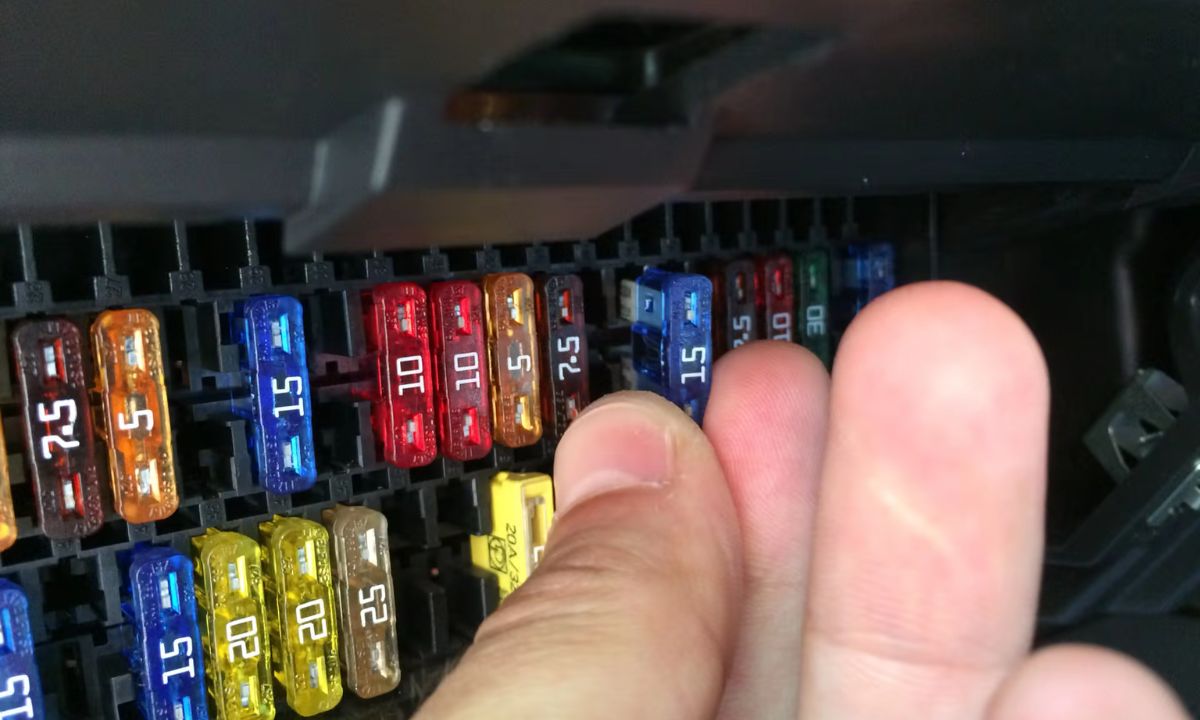
The Toyota Camry XV50 (2011-2017) uses multiple fuse boxes to protect its electrical systems. Understanding the location, amperage, and function of every fuse is essential for diagnosing electrical failures, replacing blown fuses correctly, and avoiding damage to sensitive components. This guide covers every fuse and relay in each fuse box of the XV50 Camry, including the engine compartment box, the instrument panel box, and the additional relay blocks, for all engine variants sold in North America and other markets.
Fuse Box Locations on the Toyota Camry XV50
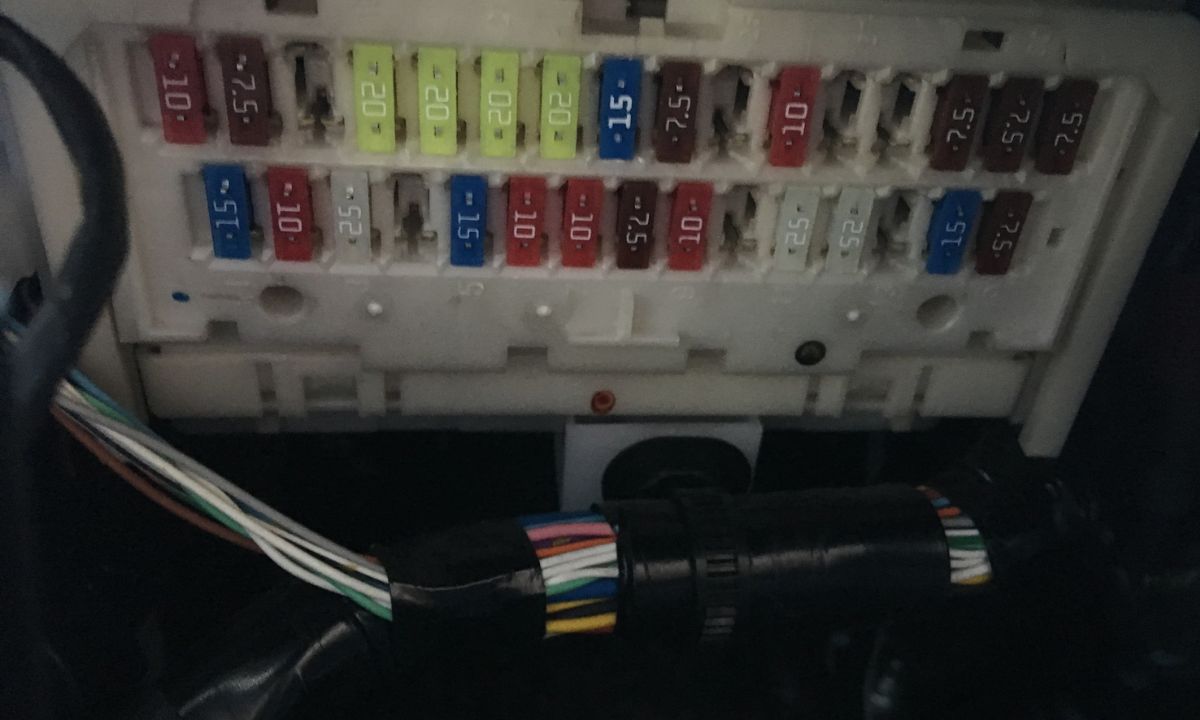
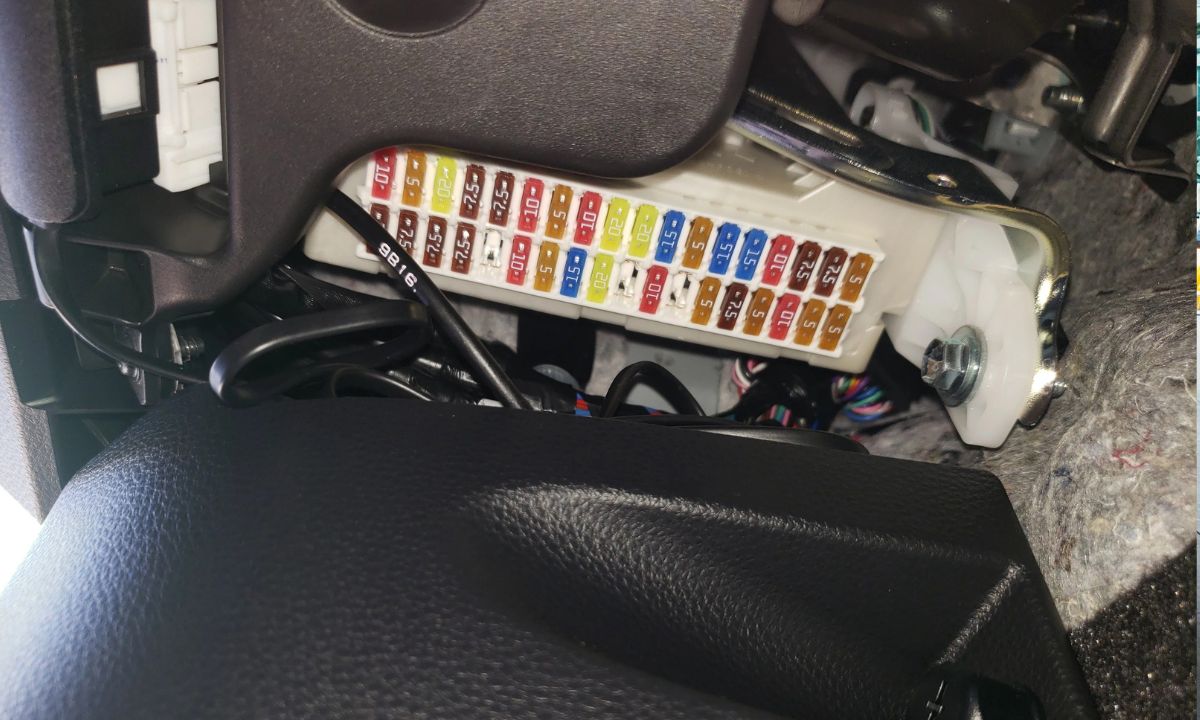
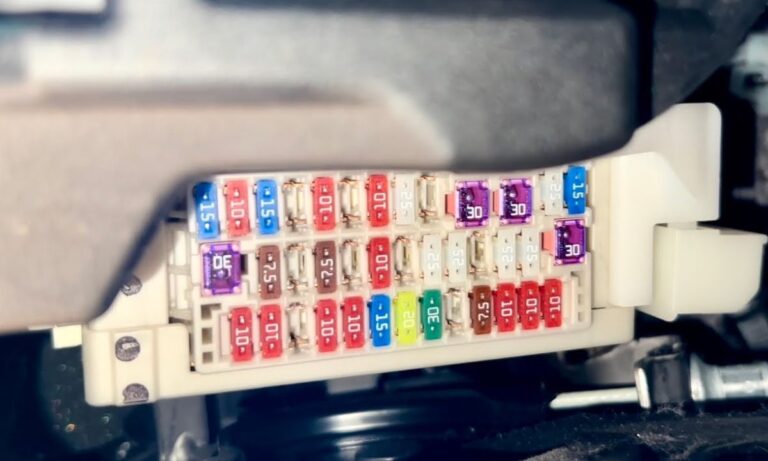
The XV50 Camry has three main fuse and relay centers:
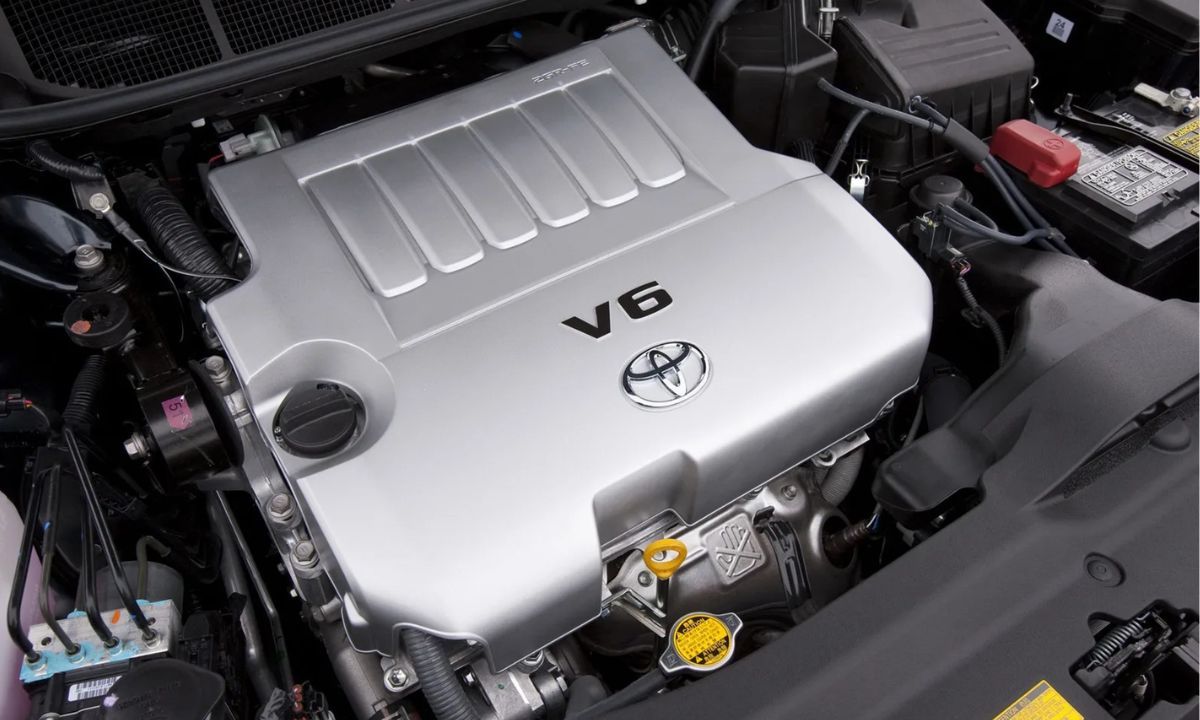
- Engine Compartment Fuse Box – located on the left side of the engine bay, near the battery
- Instrument Panel Fuse Box (Driver Side) – behind the lower left side of the dashboard, accessible by removing the lower trim cover
- Engine Room Relay Block No. 2 – a secondary relay and fuse block also located in the engine bay
Engine Compartment Fuse Box – Complete Fuse List
This is the main high-current protection block for the engine and critical vehicle systems.
- ALT – 120A – Alternator charge circuit
- AM1 – 80A – Main battery feed to interior fuse block
- AM2 – 80A – Secondary battery feed circuit
- EFI – 40A – Engine fuel injection system
- MAIN – 40A – Main relay circuit
- ABS No.1 – 40A – ABS/VSC hydraulic pump motor
- ABS No.2 – 10A – ABS/VSC control module signal
- HTR – 30A – Rear window defroster
- FAN No.1 – 40A – Radiator cooling fan No.1
- FAN No.2 – 30A – Radiator cooling fan No.2
- H-LP LH – 15A – Left headlight (low/high beam)
- H-LP RH – 15A – Right headlight (low/high beam)
- HORN – 10A – Horn assembly
- FOG – 15A – Front fog lights
- WIPER – 30A – Windshield wiper motor
- ST – 10A – Starter relay circuit
- IGN – 30A – Ignition switch circuit
- AM-P – 7.5A – Power distribution bus
- POWER OUTLET – 15A – Engine bay power outlet if equipped
- A/C – 10A – Air conditioning compressor clutch
- EPS – 80A – Electric power steering motor
- HYBR – Not applicable on non-hybrid – reserved
Instrument Panel Fuse Box – Complete Fuse List
Located under the driver’s side dashboard. Remove the coin tray or lower kick panel cover to access it. This block controls interior, safety, and comfort systems.
- CIG – 15A – Cigarette lighter / 12V accessory socket
- DOME – 10A – Interior dome light, courtesy lights
- GAUGE – 10A – Instrument cluster, speedometer, warning lights
- ECU-B – 7.5A – Engine control module backup power (memory keep-alive)
- ECU-IG – 10A – Engine control module ignition feed
- OBD – 7.5A – OBD-II diagnostic port power
- STOP – 15A – Brake lights, stop lamp switch
- TAIL – 10A – Tail lights, parking lights, instrument illumination
- TURN – 10A – Turn signal lamps, hazard flasher
- RADIO – 10A – Audio head unit, infotainment system
- MIRROR – 10A – Power door mirrors adjustment and fold
- PWR WIND – 30A – Power windows all doors
- SEAT HTR – 15A – Heated seats driver and passenger
- STRG HTR – 10A – Heated steering wheel (if equipped)
- A/C – 7.5A – HVAC blower control module signal
- BLOWER – 30A – Blower motor high-current feed
- AM2 – 10A – Secondary ignition bus
- SRS – 10A – Supplemental restraint system (airbags, seatbelt pretensioners)
- THEFT – 7.5A – Immobilizer and security alarm system
- PRNDL – 7.5A – Transmission gear indicator illumination
- DOOR LOCK – 20A – Power door locks actuators all doors
- BCM – 7.5A – Body control module
- CAMERA – 10A – Backup camera system
- NAV – 10A – Navigation and display audio unit
- HTD MRR – 10A – Heated door mirrors
- CRUISE – 7.5A – Cruise control system
- TPMS – 7.5A – Tire pressure monitoring system ECU
- TC – 10A – Traction control system signal circuit
Common Blown Fuse Symptoms on the Camry XV50
- No interior lights – Check DOME (10A) in instrument panel box
- Power windows inoperative – Check PWR WIND (30A) in instrument panel box
- No brake lights – Check STOP (15A); also inspect brake light switch
- Engine won’t start, no crank – Check ST (10A) and AM1 (80A) in engine box
- Radio/infotainment dead – Check RADIO (10A) and NAV (10A) in dash box
- ABS warning light on – Check ABS No.1 (40A) and ABS No.2 (10A) in engine box
- No A/C operation – Check A/C (10A) in engine box and A/C (7.5A) in dash box
- OBD scanner won’t power up – Check OBD (7.5A) fuse in instrument panel box
How to Check and Replace a Fuse on the XV50 Camry
- Turn the ignition fully off before inspecting any fuse
- Use the plastic fuse puller stored inside the instrument panel fuse box lid
- Inspect each fuse visually – a blown fuse shows a broken filament wire inside the transparent body
- Always replace with the identical amperage fuse – never use a higher-rated fuse as a substitute
- Mini blade (mini ATO) fuses are used throughout the XV50 interior box; regular ATO blade fuses are used in the engine compartment for mid-range circuits
- Large bolt-in fusible links (80A–120A) in the engine box require Toyota-approved replacement parts
- If a fuse blows immediately after replacement, there is a short circuit in that specific circuit that must be diagnosed before replacing again
Fuse Box Diagram Label Location
- The engine compartment fuse box has a printed label on the inside of its cover identifying each fuse position
- The instrument panel fuse box cover also contains a diagram matching slot numbers to circuit names
- The XV50 owner’s manual (pages 448–462 in the US-market version) contains a full color-coded fuse chart with circuit names and amperages
- Fuse positions may vary slightly between 2011-2014 pre-facelift and 2015-2017 facelift models due to added features such as the Toyota Safety Sense pre-collision system on late-production units