Toyota Prius XW30 2009-2015 Fuses: Complete Guide
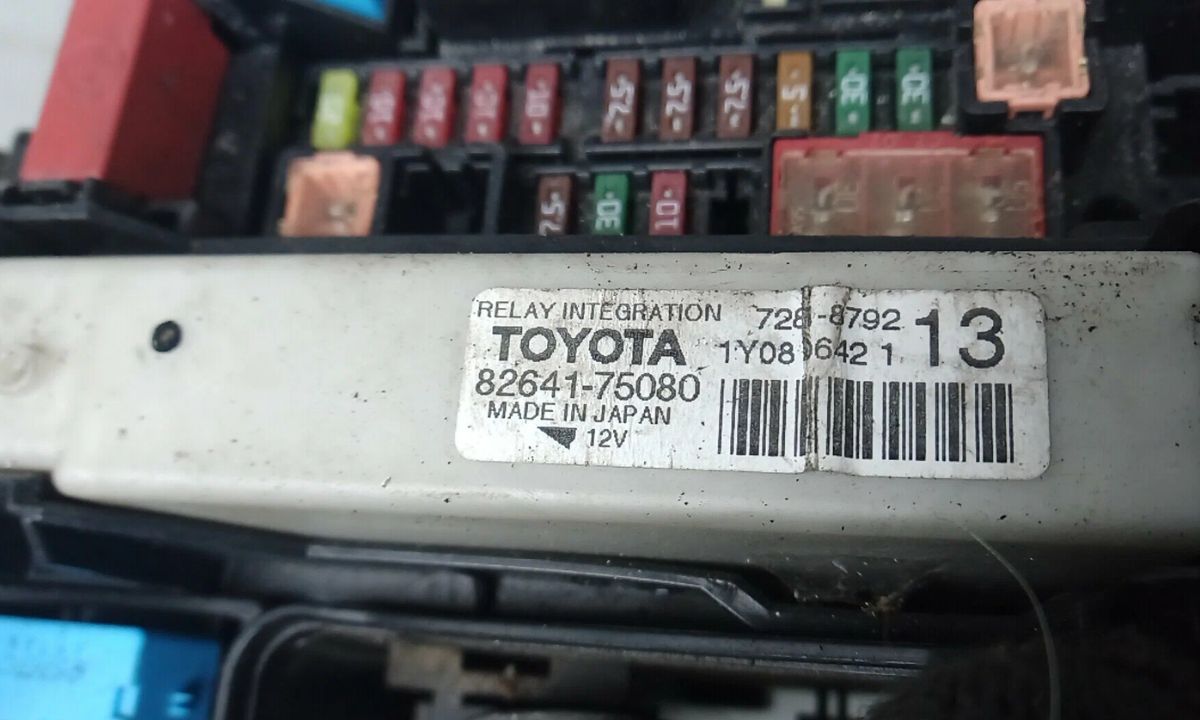
The Toyota Prius XW30, produced from 2009 to 2015, uses a complex electrical architecture combining a conventional 12V battery system with the high-voltage hybrid system. Understanding the fuse layout is essential for diagnosing electrical faults, protecting circuits, and performing safe repairs. This guide covers every fuse box location, fuse ratings, and circuit functions specific to the third-generation Prius (XW30).
Fuse Box Locations on the Toyota Prius XW30
The XW30 Prius has three primary fuse and relay box locations:
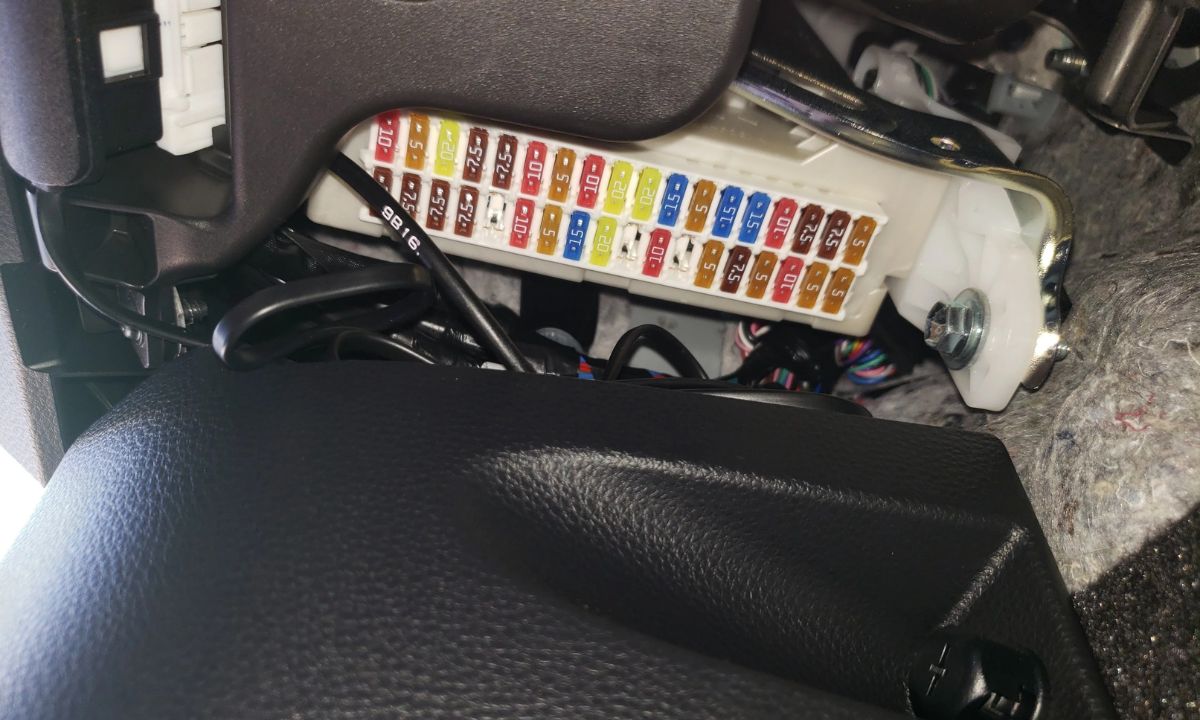
- Instrument Panel Fuse Box (Driver Side) – located beneath the dashboard on the driver’s left side, behind a removable cover
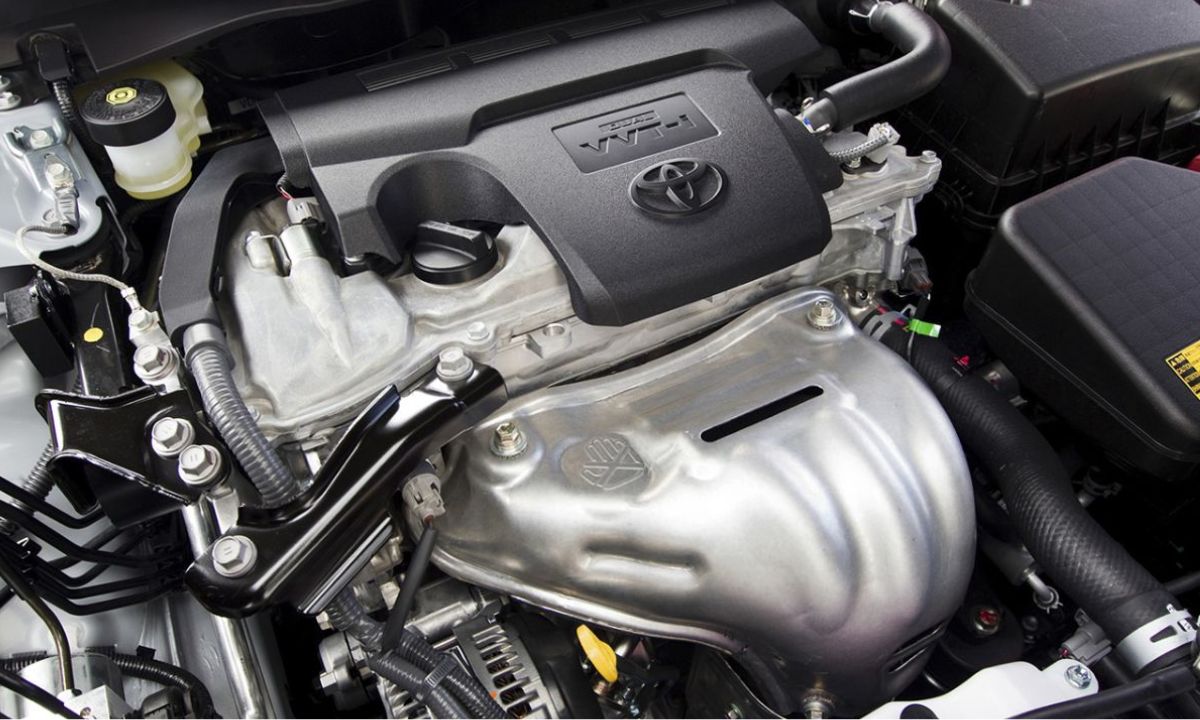
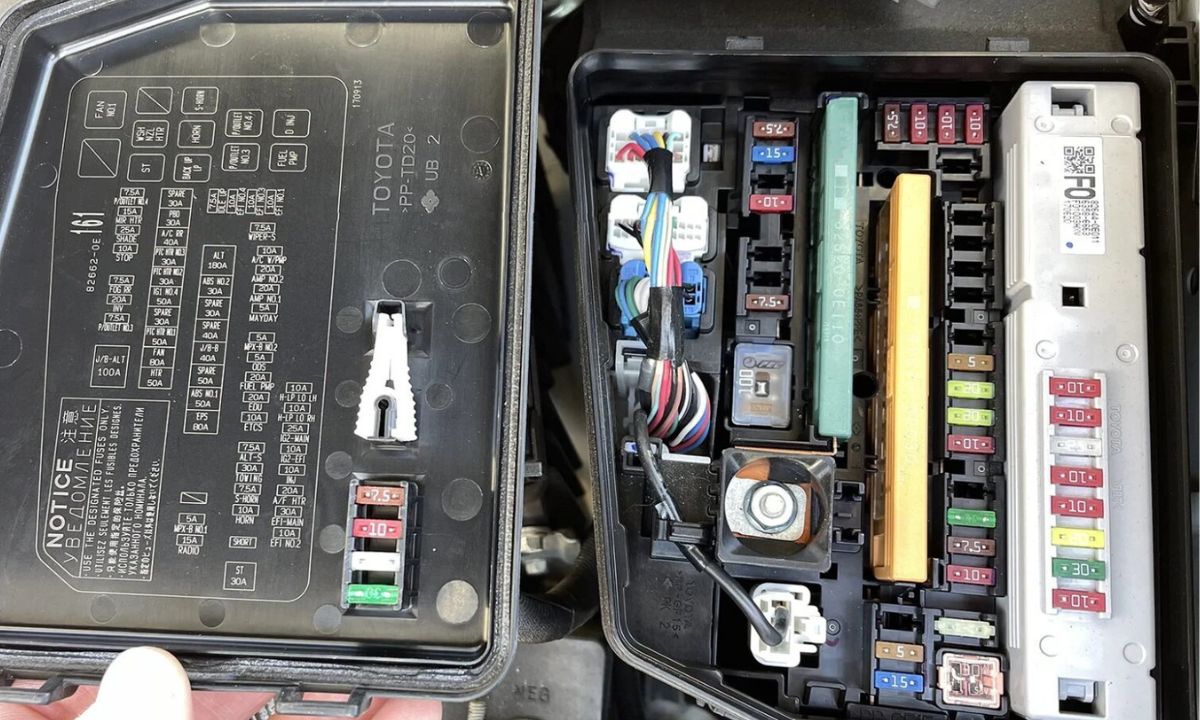
- Engine Compartment Fuse Box – located in the engine bay near the front left, next to the 12V battery and hybrid inverter area
- Hybrid System Fuses – high-voltage service plug and dedicated HV fuses located in the rear under the cargo floor near the hybrid battery
Instrument Panel Fuse Box – Full Fuse List
This box controls interior and driver-facing circuits. Always disconnect the 12V battery before replacing fuses in this location.
- 1 – 7.5A – Backup camera, reverse signal
- 2 – 7.5A – Combination meter, instrument cluster
- 3 – 10A – Engine control module (ECM) power supply
- 4 – 7.5A – Airbag system ECU
- 5 – 10A – Audio system, navigation unit
- 6 – 10A – Heating, ventilation and air conditioning (HVAC) control panel
- 7 – 10A – Power window master switch, driver window motor
- 8 – 20A – Power windows rear and passenger side
- 9 – 15A – Cigar lighter / accessory socket 12V
- 10 – 7.5A – Keyless entry system, smart key ECU
- 11 – 10A – Interior lighting, dome lights, map lights
- 12 – 7.5A – Clock, odometer memory, radio preset memory
- 13 – 10A – Brake light switch, stop lamp circuit
- 14 – 10A – Trunk lid release, fuel door release solenoid
- 15 – 15A – Seat heaters (if equipped)
- 16 – 7.5A – Multi-information display, hybrid system display
- 17 – 10A – Windshield wiper motor, washer pump
- 18 – 20A – ABS / VSC (Vehicle Stability Control) ECU secondary
- 19 – 10A – Steering angle sensor, EPS (Electric Power Steering) signal
- 20 – 10A – Cabin blower motor control relay
Engine Compartment Fuse Box – Full Fuse List
The engine bay fuse box handles high-draw circuits, relays, and hybrid-adjacent low-voltage systems. It also contains several fusible links rated in higher amperages to protect main wiring harnesses.
- ALT – 120A (Fusible Link) – Main alternator / DC-DC converter feed to 12V battery
- AM1 – 80A (Fusible Link) – Primary battery positive feed to main relay box
- AM2 – 60A (Fusible Link) – Secondary feed, instrument panel fuse box supply
- MAIN – 40A – Main fuse for ignition and start circuits
- EFI – 15A – Electronic fuel injection, injectors, fuel pump relay coil
- IGN – 15A – Ignition coils, spark system (gasoline engine side)
- GAUGE – 10A – Instrument panel gauges, warning lights
- HORN – 15A – Horn relay and horn actuators
- WIPER – 25A – Wiper motor main supply, wiper relay
- ABS NO.1 – 40A – ABS actuator pump motor primary feed
- ABS NO.2 – 30A – ABS / VSC solenoid valve supply
- ETCS – 10A – Electronic throttle control system (ETCS-i), throttle actuator
- HTR – 30A – Hybrid coolant heater pump (electric inverter cooling)
- INV – 20A – Inverter cooling fan motor, hybrid inverter low-voltage control
- ACC – 10A – Accessory relay, ACC position on ignition
- OBD – 7.5A – OBD-II diagnostic port, DLC3 connector power
- RAD FAN – 40A – Radiator cooling fan motor main feed
- DCDC – 30A – DC-DC converter output protection, 12V system stabilization
- EPS – 50A – Electric power steering motor main supply
- HEADLAMP LH – 15A – Left headlight assembly (low and high beam)
- HEADLAMP RH – 15A – Right headlight assembly (low and high beam)
- TAIL – 15A – Tail lights, license plate lights, parking lights
- FOG – 15A – Front fog lights (if equipped)
- SPARE – 10A – Unused spare fuse slot
Hybrid Battery and High-Voltage System Fuses
The XW30 Prius high-voltage system operates at approximately 201.6V DC. The service plug (manual service disconnect) is located in the rear of the vehicle under the cargo floor. Never attempt to service the HV system without proper insulated tools and safety training.
- HV Service Plug (SMR disconnect) – Physically interrupts the high-voltage battery circuit; must be removed before any HV work. It contains an integrated 40A high-voltage fuse.
- HV Battery Fusible Link – 125A – Located inside the hybrid battery assembly; protects the main HV bus from overcurrent
- HV ECU fuse – 7.5A (12V side) – Powers the Hybrid Vehicle ECU logic circuits; located in the engine bay relay box
- Inverter precharge fuse – Internal to the inverter assembly; not user-serviceable separately
Key Tips for Fuse Replacement on the Prius XW30
- Always use JIS or ATO blade-type fuses matching the original amperage rating exactly
- The XW30 uses Mini (low-profile) fuses in the instrument panel box and regular ATO fuses plus fusible links in the engine bay box
- A blown fuse that repeatedly fails indicates a short circuit or overloaded component; replace the fuse only after identifying the root cause
- The OBD port fuse (7.5A) is commonly blown when faulty third-party OBD dongles draw excessive current
- The EPS 50A fuse failure will trigger a steering warning light and disable power assist; this is a safety-critical circuit
- After any battery disconnect or fuse replacement involving ECU circuits, allow the hybrid system to complete its self-check sequence before driving
- Toyota recommends using a fuse puller tool (included in most Prius fuse boxes) to avoid static discharge near sensitive ECU fuses
Fuse Box Diagram and Owner Reference
The official fuse box diagram is printed on the inside of the fuse box cover for both the instrument panel and engine compartment locations. A duplicate chart is also included in the Toyota Prius XW30 owner’s manual, typically on pages covering the electrical systems chapter. Cross-reference both sources when identifying a fuse, as late production 2014–2015 models may include additional fuses for the pre-collision system (PCS) and lane departure alert (LDA) if factory-equipped.