Ford EcoBoost 2.3L Engine: Complete Technical Guide
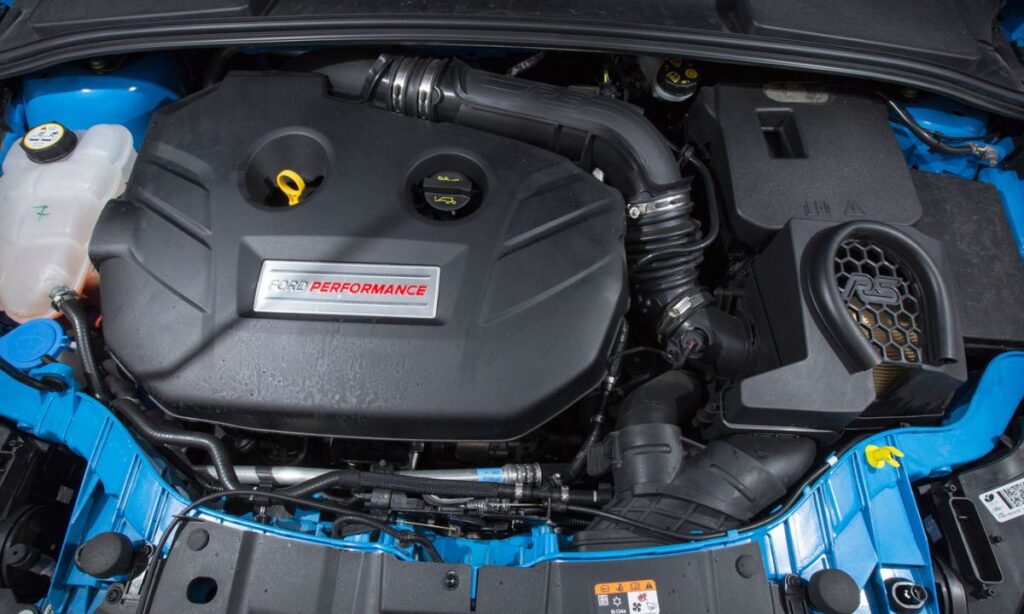
The Ford EcoBoost 2.3L is a turbocharged four-cylinder engine that has become one of Ford’s most versatile and performance-oriented powerplants. Introduced in 2015, this engine combines direct fuel injection, turbocharging, and variable valve timing to deliver exceptional power output with improved fuel efficiency compared to larger naturally aspirated alternatives. It powers a wide range of Ford vehicles, from sporty performance cars to capable off-road SUVs, making it one of the most important engines in Ford’s modern lineup.
Ford EcoBoost 2.3L Engine Overview and History
The 2.3L EcoBoost is an evolution of the earlier 2.0L EcoBoost platform, featuring a larger 87.55mm bore and 94mm stroke. Ford developed this engine to replace larger displacement V6 engines while offering comparable or superior performance figures. The engine block is cast iron for durability, while the cylinder head is aluminum alloy for weight reduction. It was first deployed in the 2015 Ford Mustang EcoBoost and later adopted across multiple Ford platforms.
Technical Specifications by Vehicle Application
- 2015-2017 Ford Mustang EcoBoost: 310 hp at 5,500 rpm, 320 lb-ft torque at 3,000 rpm, compression ratio 9.5:1
- 2018-2022 Ford Mustang EcoBoost: 310 hp standard, High Performance Package version produces 330 hp at 5,500 rpm and 350 lb-ft torque
- 2023-2024 Ford Mustang EcoBoost: 315 hp at 5,500 rpm, 350 lb-ft torque at 3,000 rpm, updated tune and hardware
- 2016-2023 Ford Explorer (select trims): 280 hp at 5,500 rpm, 310 lb-ft torque at 3,000 rpm
- 2019-present Ford Ranger: 270 hp at 5,500 rpm, 310 lb-ft torque at 3,000 rpm
- 2021-present Ford Bronco: 270 hp at 5,500 rpm, 310 lb-ft torque at 3,000 rpm
- Ford Focus RS (2016-2018): 350 hp at 6,000 rpm, 350 lb-ft torque (up to 371 lb-ft overboost)
Engine Architecture and Design Features
- Engine type: Inline-4, turbocharged, direct injection
- Displacement: 2,261 cc (2.3 liters)
- Bore x Stroke: 87.55mm x 94.0mm
- Compression ratio: 9.5:1 (standard applications)
- Cylinder block material: Cast iron
- Cylinder head material: Aluminum alloy, DOHC, 4 valves per cylinder
- Fuel system: Direct injection (GDi), up to 2,900 psi fuel pressure
- Turbocharger: Single twin-scroll turbocharger
- Intercooler: Air-to-air intercooler
- Variable valve timing: Ti-VCT (Twin Independent Variable Camshaft Timing) on both intake and exhaust
- Recommended fuel: 87 octane minimum, 91-93 octane for maximum performance
- Oil capacity: 5.7 quarts with filter change
- Recommended oil: SAE 5W-30 full synthetic, Ford specification WSS-M2C946-B1
Common Issues and Known Problems
- Carbon buildup on intake valves: A common issue with direct injection engines; carbon deposits accumulate on intake valves over time since fuel does not wash the valves. Walnut blasting or chemical cleaning recommended every 40,000-60,000 miles.
- Oil consumption: Some early 2015-2017 units reported higher-than-expected oil consumption. Ford issued TSB 17-0082 addressing this in certain builds.
- Coolant loss and head gasket: A noted concern on high-mileage and high-performance applications, particularly Focus RS units. Coolant should be checked regularly.
- PCV system failure: The positive crankcase ventilation hoses can crack or degrade, causing rough idle, misfires, and oil leaks. Replacement is straightforward but recommended at first signs.
- Intercooler condensation: In high-humidity conditions, moisture can accumulate in the intercooler and intake tract, occasionally causing hesitation or misfires.
- Spark plug interval: Ford recommends replacement every 60,000 miles, but many enthusiasts replace at 40,000 miles for optimal performance. Use Ford-specified Motorcraft SP-546 or equivalent iridium plugs.
- Timing chain stretch: High-mileage units can develop timing chain wear. Symptoms include rattling on cold start and P0016/P0017 codes. Recommended to use quality full synthetic oil and change intervals.
Maintenance Schedule and Service Intervals
- Engine oil and filter: Every 7,500 miles using Motorcraft Full Synthetic 5W-30, or per Ford Intelligent Oil-Life Monitor
- Spark plugs: Every 60,000 miles (Motorcraft SP-546)
- Air filter: Every 30,000 miles or as needed
- Coolant flush: Every 100,000 miles with Ford Orange Coolant VC-3-B
- Timing chain: Inspect at 100,000 miles; no scheduled replacement but replace if wear or noise detected
- Intake valve cleaning: Every 40,000-60,000 miles recommended for direct injection carbon buildup
- PCV hoses and breather system: Inspect every 50,000 miles
Performance Tuning and Upgrade Potential
- Stage 1 tune (software only): Gains of 40-60 hp and 50-70 lb-ft on 93 octane fuel are common with reputable tuners such as Mountune, Cobb Accessport, or Livernois Motorsports
- Cold air intake: Adds 5-15 hp and improves throttle response; popular options include K&N and Steeda intakes
- Intercooler upgrade: Reduces charge air temperatures, supporting higher boost levels; Mountune and Mishimoto offer direct-fit units
- Upgraded downpipe: Reduces back-pressure and improves spool time; catless or high-flow catted options available
- High Performance Package (Mustang): Factory-supported upgrade for 2018+ Mustang adding larger throttle body, upgraded intercooler, and revised tune for 330 hp
- Forged internals: For builds exceeding 400 hp, forged pistons and connecting rods are recommended to handle increased cylinder pressures
- Maximum safe power: Stock bottom end is generally considered safe to approximately 400-450 hp with supporting modifications and proper tuning
Ford EcoBoost 2.3L Firing Order and Cylinder Layout
- Firing order: 1-3-4-2
- Cylinder 1 location: Front of engine (timing chain side)
- Cylinder layout: Inline 4, numbered 1 through 4 from front to rear