Toyota 2AR-FE Engine: Complete 2.5L Specifications Guide
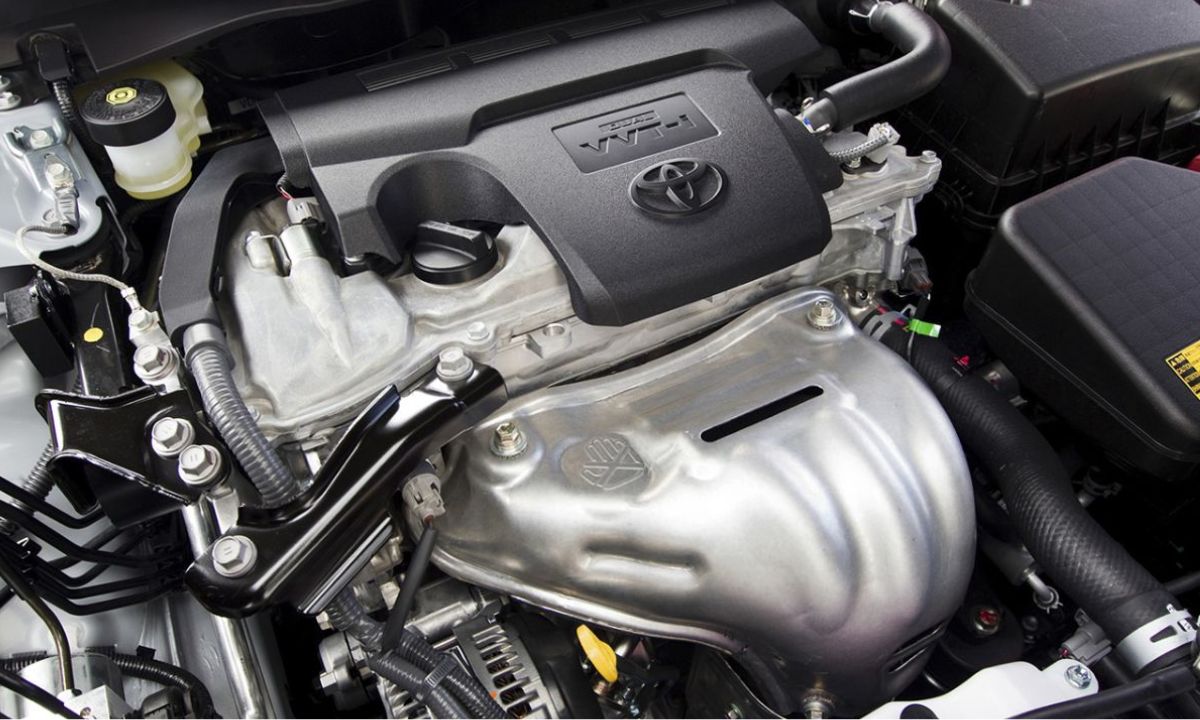
The Toyota 2AR-FE is a 2.5-liter inline four-cylinder gasoline engine produced by Toyota since 2008. It belongs to the second generation of the AR engine family and is widely used across multiple Toyota and Lexus platforms. Known for its reliability, fuel efficiency, and smooth power delivery, the 2AR-FE became one of Toyota’s most successful modern four-cylinder engines. This guide covers complete technical specifications, performance data, common issues, oil capacity, timing chain details, and everything a technician or enthusiast needs to know.
Toyota 2AR-FE Engine Overview and History
The 2AR-FE was introduced in 2008 and replaced the older 2AZ-FE 2.4L unit. It features Dual VVT-i (Variable Valve Timing with intelligence on both intake and exhaust camshafts), which significantly improves both power output and fuel economy compared to its predecessor. The engine was manufactured at Toyota plants in the United States and Japan and is offered exclusively in naturally aspirated form.
- Engine family: AR series (second generation)
- Engine code: 2AR-FE
- Configuration: Inline 4-cylinder (I4)
- Fuel system: Electronic fuel injection (EFI) — sequential multiport
- Valvetrain: DOHC, 16 valves, Dual VVT-i
- Displacement: 2,494 cc (2.5 liters)
- Bore x Stroke: 90.0 mm x 98.0 mm
- Compression ratio: 10.4:1
- Firing order: 1-3-4-2
- Engine orientation: Transverse (front-wheel drive layouts)
- Block material: Aluminum alloy
- Head material: Aluminum alloy
- Production years: 2008–present
Power and Torque Specifications by Application
Power output varies slightly depending on the market and vehicle application due to different tune configurations.
- Toyota Camry (XV50, 2012–2017, USA): 178 hp (133 kW) at 6,000 rpm — 170 lb-ft (230 Nm) at 4,100 rpm
- Toyota Camry (XV40, 2009–2011, USA): 169 hp (126 kW) at 6,000 rpm — 167 lb-ft (226 Nm) at 4,000 rpm
- Toyota RAV4 (XA40, 2013–2018): 176 hp (131 kW) at 6,000 rpm — 172 lb-ft (233 Nm) at 4,100 rpm
- Toyota Alphard / Vellfire (AH20, Japan): 182 hp (136 kW) at 6,000 rpm — 173 lb-ft (235 Nm) at 4,400 rpm
- Toyota Highlander (XU50, 2014–2019): 185 hp (138 kW) at 6,000 rpm — 184 lb-ft (249 Nm) at 4,500 rpm (updated tune)
- Toyota Venza (AV50): 181 hp (135 kW) at 6,000 rpm — 172 lb-ft (233 Nm) at 4,000 rpm
Engine Dimensions and Physical Data
- Engine length: approximately 530 mm
- Engine weight (dry): approximately 133 kg (293 lb)
- Timing system: Timing chain (maintenance-free, no replacement interval under normal use)
- Chain configuration: Single row timing chain with tensioner
- Oil pump: Chain-driven, internal gear type
- Cooling system: Water-cooled with thermostat opening at 80°C (176°F)
Oil Capacity and Recommended Specifications
- Oil capacity with filter change: 4.8 liters (5.1 US qt)
- Oil capacity without filter: 4.5 liters (4.8 US qt)
- Recommended viscosity (standard climates): SAE 0W-20 or 5W-20 full synthetic
- Recommended viscosity (high-temperature climates): 5W-30 synthetic
- Oil change interval: 8,000–10,000 km (5,000–6,000 miles) with conventional oil — up to 15,000 km (10,000 miles) with full synthetic per Toyota guidelines
- Oil specification: API SN or newer (SP), ILSAC GF-5 or GF-6
Fuel and Ignition Specifications
- Recommended fuel: Regular unleaded 87 octane (RON 91) minimum
- Fuel tank compatibility: Compatible with up to E10 ethanol blend
- Spark plug type: NGK DILKAR7A11 (iridium) or equivalent
- Spark plug gap: 1.0–1.1 mm (0.039–0.043 in)
- Spark plug torque: 25 Nm (18 lb-ft)
- Ignition system: Direct ignition (coil-on-plug), no distributor
- Ignition timing (base): 8–12° BTDC (controlled by ECU, not adjustable externally)
Common Problems and Known Issues
- Oil consumption (excessive): A widely reported issue on 2009–2013 2AR-FE units, particularly in Camry XV40/XV50. Toyota issued TSB (Technical Service Bulletin) acknowledging the problem. The cause is typically piston ring wear and valve stem seal degradation. Toyota extended warranty coverage and updated piston ring specifications (revised ring set part number available).
- Timing chain rattle on cold start: Caused by chain tensioner wear or low oil pressure at startup. More common on higher-mileage engines above 150,000 km. Requires tensioner or chain replacement if persistent.
- Carbon buildup on intake valves: Less severe than direct injection engines but still occurs over time due to crankcase vapors. Recommended cleaning every 100,000 km.
- Water pump failure: The 2AR-FE uses a belt-free, chain-driven water pump on some variants. Inspect for leaks at high mileage.
- VVT-i actuator noise: Ticking or rattling noise related to the variable valve timing actuator on intake or exhaust camshaft. Often caused by sludge buildup from infrequent oil changes. Regular oil changes prevent this issue.
- Knock sensor fault (P0325/P0330): Occasionally reported; caused by loose mounting or sensor degradation. Engine may enter safe mode reducing performance.
Maintenance Intervals and Service Data
- Engine oil and filter: Every 8,000–10,000 km (5,000–6,000 miles) conventional — 12,000–15,000 km (7,500–10,000 miles) full synthetic
- Air filter: Every 40,000–50,000 km (25,000–30,000 miles)
- Spark plugs (iridium): Every 100,000–120,000 km (60,000–75,000 miles)
- Coolant flush: Every 100,000 km (60,000 miles) or 5 years first interval — every 50,000 km thereafter
- Timing chain: No scheduled replacement — inspect if rattle or elongation is detected
- Throttle body cleaning: Every 80,000–100,000 km recommended
- PCV valve inspection: Every 60,000–80,000 km
Compatible Vehicles (Full Application List)
- Toyota Camry — XV40 (2009–2011), XV50 (2012–2017)
- Toyota RAV4 — XA40 (2013–2018)
- Toyota Highlander / Kluger — XU50 (2014–2019)
- Toyota Venza — AV50 (2009–2016)
- Toyota Alphard / Vellfire — AH20 (2008–2015, Japan domestic market)
- Toyota Harrier — XU60 (2013–2020, Japan)
- Toyota Sienna — XL30 (as hybrid assist engine)
- Lexus ES 250 — XV60 (2013–2018, China/Japan spec)